What’s the new drama?
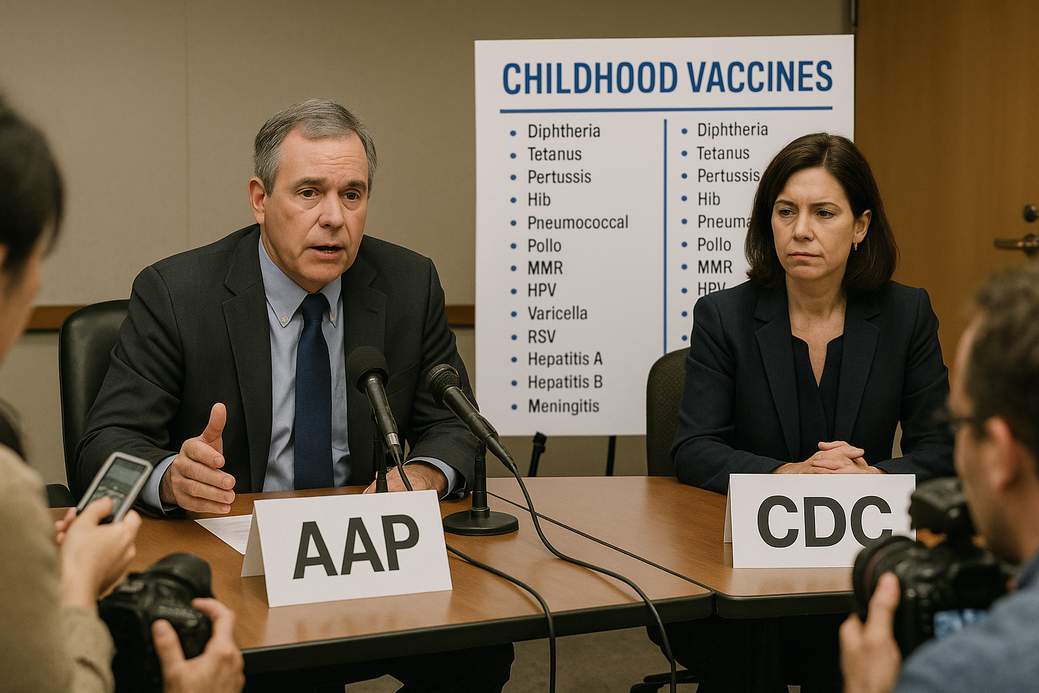
In a plot twist nobody ordered, the American Academy of Pediatrics (AAP) rolled out its 2026 childhood vaccine recommendations and they don’t quite line up with the Centers for Disease Control and Prevention (CDC). Think of it as two different choreographies for the same vaccine tango — one side adding extra moves, the other trimming the routine.
How do the lists differ?
The AAP is recommending immunization against about 18 diseases, keeping things broad and cautious. The CDC’s updated schedule narrows the list to roughly 11 childhood diseases. That gap is where most of the headline-making confusion lives.
What they still agree on
Both groups are on the same page when it comes to the long-standing core shots: diphtheria, tetanus, pertussis (whooping cough), Hib, pneumococcal vaccines, polio, MMR (measles, mumps and rubella), HPV and varicella (chickenpox). So the vaccine basics for kids haven’t been tossed out with the bathwater.
Where they split — RSV, hepatitis, meningitis and more
The main differences show up with RSV, hepatitis A and B, certain meningococcal vaccines, and a handful of others. The CDC recommends that some of these be targeted mainly to high-risk kids, while the AAP continues to endorse broader use. For dengue, the AAP limits recommendation to certain older children in places where dengue is common and who’ve already had the virus — and it notes the dengue shot isn’t really being distributed in the U.S. right now because demand dropped off.
Doctors’ take: talk to your pediatrician
Pediatricians say this is a moment for calm and questions, not panic. AAP leadership emphasized they aim to base guidance on solid science and what’s best for infants, kids and teens. Frontline pediatricians are encouraging families to bring their vaccine questions to office visits so parents and clinicians can make decisions together.
Insurance and how to get shots
Even if the CDC narrowed its official list, doctors say insurance should still cover the vaccines parents want for their children. One practical change: some shots — like the flu vaccine in certain cases — may now require a conversation with a clinician rather than being a no-questions pharmacy grab. So you might need to book a quick chat with your pediatrician before some vaccines are given.
How did we get here?
The tug-of-war comes after a controversial change last winter around when to give the first dose of hepatitis B vaccine. The advisory panel that helped shape that guidance has also seen shifts in membership, which added to the debate. Federal health officials say the CDC’s updated schedule aims to protect kids while aligning with international practice, and that they will work to keep information clear for families.
Bottom line (aka the short answer)
If you’re a parent wondering whether to follow AAP or CDC guidance, don’t panic: core childhood vaccines remain recommended by both groups. The practical takeaway is to chat with your child’s pediatrician — bring your questions, your calendar, and maybe a snack for the kid — so you can decide together what’s right for your family.
Contributors
Report contributions were made by news staff who covered the agencies’ updates and reactions.