What the “Trump Accounts” actually are (without the press-release-y voice)
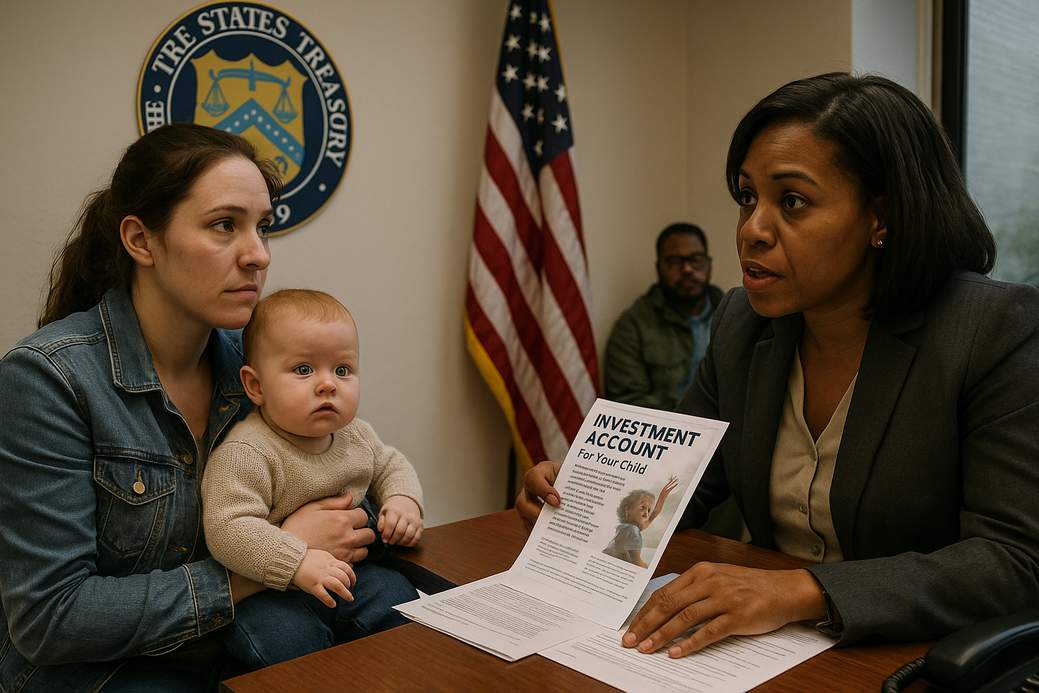
Quick version: the Treasury says kids born during a set window will get a $1,000 seed from the federal government that goes into an investment account. Parents and other folks can chip in too, and there are big philanthropists pledging multi-billion-dollar contributions to help boost balances for lots of families. The signup rolls out in July and the idea is to get young people started with something that can grow over time — think of it as a tiny financial head start, not a magic-bullet scholarship.
So will this widen the wealth gap?
Fair question. Critics worry that richer families will keep adding to accounts and poorer families won’t, leaving more inequality. Treasury pushes back hard on that, saying many donations will be targeted to lower-income areas and school districts, and that philanthropists can pick where their money goes. The broader point they make: if households can’t handle a $500 emergency now, even a modest nest egg matters — and targeted giving can help avoid giving the gains only to wealthy zip codes.
How people who don’t speak ‘Wall Street’ are supposed to use these accounts
Treasury’s answer: make it simple and visible. The plan leans on phones and apps so accounts aren’t some abstract line item controlled by mysterious folks on Broadway. If you can check a balance on your phone, you’re more likely to learn what investing looks like. The department also says it will push out financial education resources and urge states to help — basically: practical nudges plus accessible tech.
Yes, there was a Dr Pepper moment (because of course there was)
There’s a genuinely human moment in the interview where the Secretary jokes about his breakfast choice and anecdotes from gas-station conversations with young workers. He uses those stories to make a point: many people want someone to show them what to do with money, and a simple savings vehicle could help create that habit. It’s equal parts self-deprecating and oddly relatable.
Feeling squeezed now? When does the economy get ‘better’?
The Treasury says some of the pressure is easing — rents and energy costs, for instance, are moving in the right direction — and they expect inflation to trend back toward the Fed’s target over time. They also point to policy moves intended to boost real wages and some tax changes that should generate larger refunds for many households this year. Translation: the administration argues the patchwork of policies should deliver relief, but it’ll be a gradual thing, not an overnight fix.
What if Congress tries to shut things down during tax season?
The Secretary dismissed the idea that tax filing would be derailed, saying the IRS has contingency plans and that a temporary funding flap wouldn’t stop returns. In short: Treasury says get excited about your refund and don’t assume a shutdown will spoil April — they claim they’re ready for the worst while hoping it won’t happen.
The Fed, accountability, and that DOJ thing
On the Justice Department looking into the Fed chair, the message was: independence doesn’t equal immunity. The Treasury official argued that the Fed must be beyond reproach because of how much power it wields, and that calls for internal reviews shouldn’t be taboo. He stressed the Fed is a committee and the chair is one voice among many, but also that transparency matters.
Venezuela, oil sales, and why it matters to your gas bill
About recent Venezuelan oil sales: the Treasury says the proceeds are intended for the Venezuelan people, while the practical benefit for the U.S. is more heavy crude flowing to refineries that rely on it — which can help lower gasoline prices in parts of the country. In other words: geopolitics plus oil swaps can have a direct line to the pump.
How Treasury will judge success
Success, as described, won’t necessarily be measured by a single headline figure like ‘tuitions paid’ or ‘houses bought.’ Instead, they’d count smaller wins: families who could handle an emergency without going broke, young people who get their first taste of investing, and communities that gain access to long-term savings. If the program nudges people into saving and learning about money, that’s progress.
A silly sign-off (because interviews need personality)
The conversation ends on a lighter note: a playful jab about ninja-like business skills and a cheeky quip about a famous tech mogul’s black eye. It’s the kind of goofy finish that reminds you politicians and officials sometimes like to trade jokes — and that not every press moment has to be solemn.
That’s the nutshell version: policy, punchlines, and a push to give more Americans a toe in the financial pool.