Quick recap
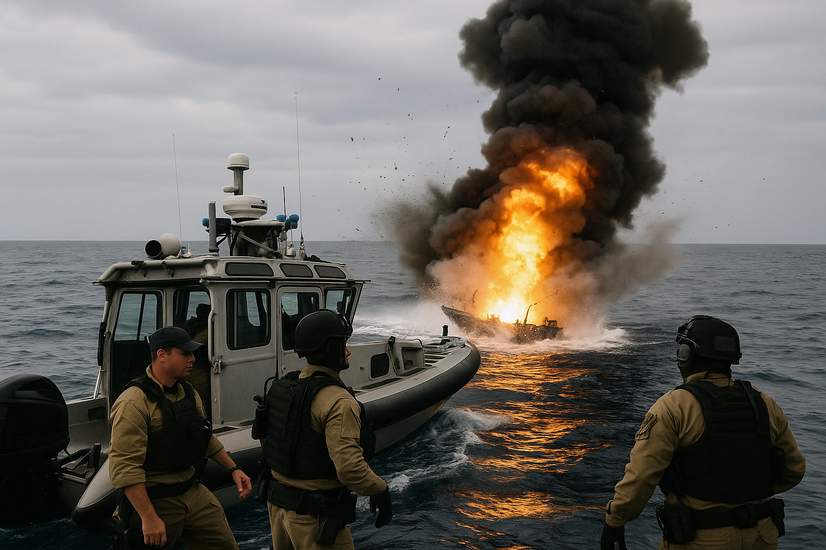
Six U.S. service members were killed in a drone strike on a tactical operations center at the Shuaiba port in Kuwait. U.S. Central Command has confirmed the deaths, and dozens more were hurt in the wider exchange of strikes between the U.S., Israel and Iran. The incident has raised sharp questions about how the site was set up and defended.
What appears to have happened
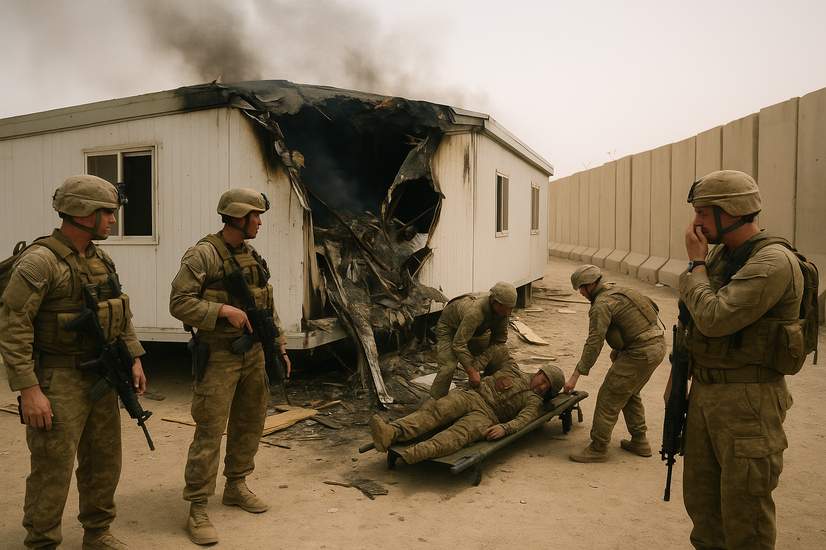
Preliminary assessments point to a one-way, kamikaze-style drone — the kind Iran has used before — slamming into the facility from above. The weapon punched through both local air defenses and whatever protective measures surrounded the makeshift command post.
The site itself: trailer life and T-walls
According to multiple military sources, the operations center was basically a triple-wide trailer converted into an office — think pop-up headquarters rather than a hardened concrete bunker. Around it were T-walls (12-foot reinforced concrete barriers), which help against blasts and shrapnel from horizontal attacks but offer little protection from a direct overhead strike. Witnesses say the munition hit squarely on the roof, which explains the catastrophic damage.
Warnings, defenses, and capability gaps
People on the ground reported confusion about whether the warning sirens fired in time — some said they didn’t hear them at all, and others noted that even when the warning system had worked earlier in the week, drones sometimes were already inside the perimeter before alerts kicked in. There also appeared to be no U.S. counter-rocket/artillery/mortar (C-RAM) or dedicated drone-defeat system at that location, and requests for additional capabilities reportedly went unanswered.
Debate over whether the site should’ve been used
Several service members had expressed concerns before the strike that too many personnel were clustered in a location that wasn’t adequately defendable. Those concerns are now a key part of the after-action questions as investigators try to determine whether different placement or extra assets might have prevented the loss of life.
Damage, recovery and official response
The strike caused intense fires that complicated recovery of the fallen, and U.S. officials have characterized the dead as among the nation’s finest. The Pentagon has pointed reporters to Central Command for details as assessments continue. Separately, reports indicate at least 18 service members were seriously wounded during the broader operations.
Bottom line
This was a deadly reminder that makeshift forward sites — even when ringed by T-walls and guarded by local air defenses — can be vulnerable to overhead, precision attacks. The loss has provoked tough questions about defenses, allocation of counter-drone tools, and whether some temporary facilities should ever be used to host large numbers of troops. Whatever the answers, the human cost is clear: lives lost, families grieving, and a push to learn what went wrong so it doesn’t happen again.