Quick snapshot
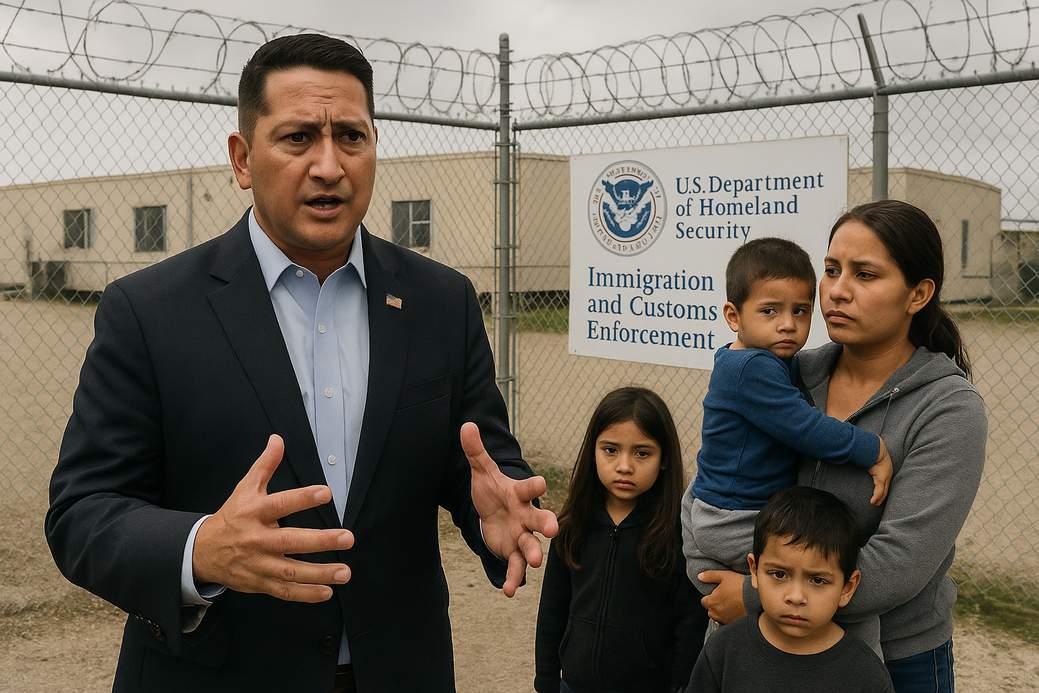
Rep. Tony Gonzales defended conditions at the Dilley, Texas, immigration detention center after reports that a 5-year-old boy, Liam Ramos, had been held there amid a measles outbreak. Gonzales called the facility “nice — nicer than some elementary schools,” and said he has visited it multiple times. The comment touched off fresh criticism from immigration advocates who say the center is unsafe for children and families.
What Gonzales actually said
On a Sunday interview, Gonzales described the Dilley facility as clean and humane — while also reminding listeners that it’s a detention center for people who entered the country unlawfully. He voiced sympathy for children detained there but emphasized that compassion and enforcement can coexist. He suggested enforcement could be done in a humane way, calling that the “secret sauce” lawmakers should pursue.
The measles situation (short and unsettling)
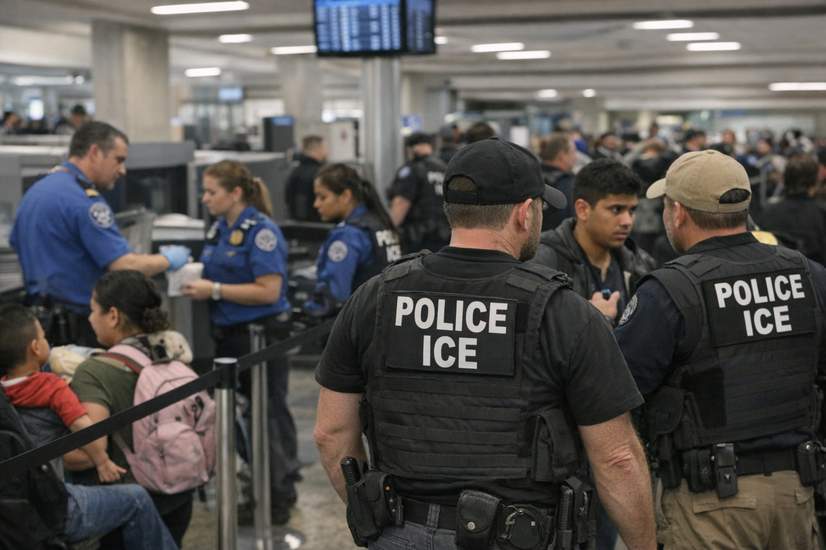
Department of Homeland Security briefly stopped transfers at Dilley after two people were confirmed with active measles infections. The Dilley center is one of the few, if not the only, immigration facilities that houses children and families — which is why any outbreak raises alarm bells. Activists have been vocal about safety and health concerns, and public health questions remain part of the debate.
Who is Liam Ramos and what happened to his family
Liam is a 5-year-old who, along with his parents, reportedly entered the U.S. using what was known as the CBP One app. He and his father were detained during an enforcement operation targeting undocumented immigrants in the Minneapolis area. They were later released and returned to Minneapolis. The raid that led to their detention was part of a wider effort that has generated controversy and, tragically, was connected to the deaths of two U.S. citizens in the same enforcement sweep.
Politics, polls and the bigger picture
Gonzales used the moment to warn that heavy-handed immigration moves can backfire politically. Recent special election results and public-opinion surveys suggest a gap between support for immigration goals and approval of how enforcement is being carried out. About half the public may support tough immigration objectives, but fewer people approve of the tactics used in some operations.
Warrants, body cams and law enforcement tools
As funding debates around the Department of Homeland Security continue, lawmakers are arguing over changes like warrant requirements, body cameras for officers, and ID displays. Gonzales said body cameras “make a lot of sense,” but he pushed back against mandatory judicial warrants for immigration operations, calling administrative warrants a workable tool for law enforcement to apprehend people accused of crimes while keeping communities safe.
Bottom line
The Dilley situation is a messy mix of public health, human concern, and politics. Rep. Gonzales framed his stance as a call for humane enforcement, while critics say the presence of children and a measles outbreak demand more scrutiny. Either way, the story shows how quickly a single case — especially involving a child — can turn a policy debate into a public flashpoint.