Meet the little clinic that could
Healing Bridge Clinic in Fayette County is the kind of place people go when health care isn’t an option because of money. It treats uninsured adults (ages 19 to 64) — many of them working folks who somehow fall into that annoying insurance gap — and offers all care for free thanks to volunteers and a tiny staff.
The volunteer engine
The clinic runs on a skeleton paid staff (about five people) and a volunteer army of roughly 80 clinicians, from doctors to nurse practitioners and PAs. Last year they handled about 1,800 patient visits, drawing people from all over metro Atlanta, including Fayette and Coweta counties. In short: small team, big impact.
Why imaging is a big deal
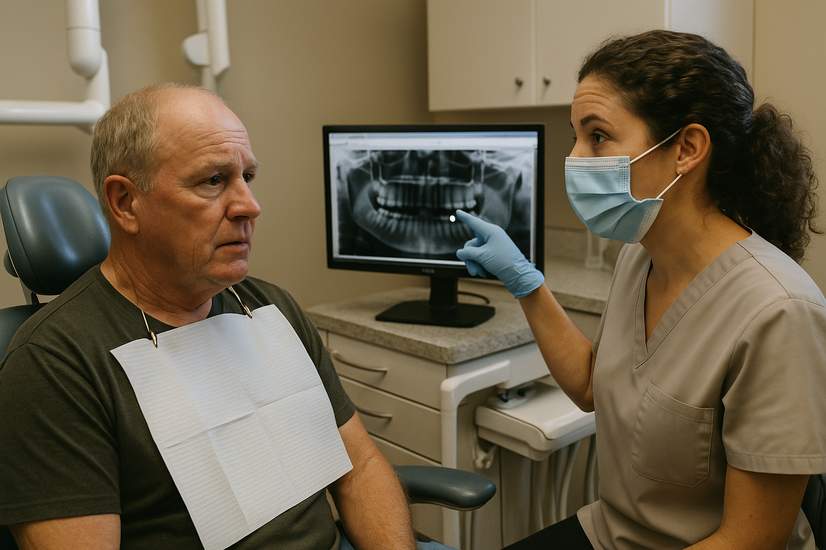
When you’re trying to diagnose somebody, imaging — X-rays, MRIs, CT scans — is often the difference between a quick fix and dangerous guesswork. Providers use those images to confirm what’s actually going on and to map out treatment plans. Without them, care becomes a lot murkier.
Then the scanners disappeared
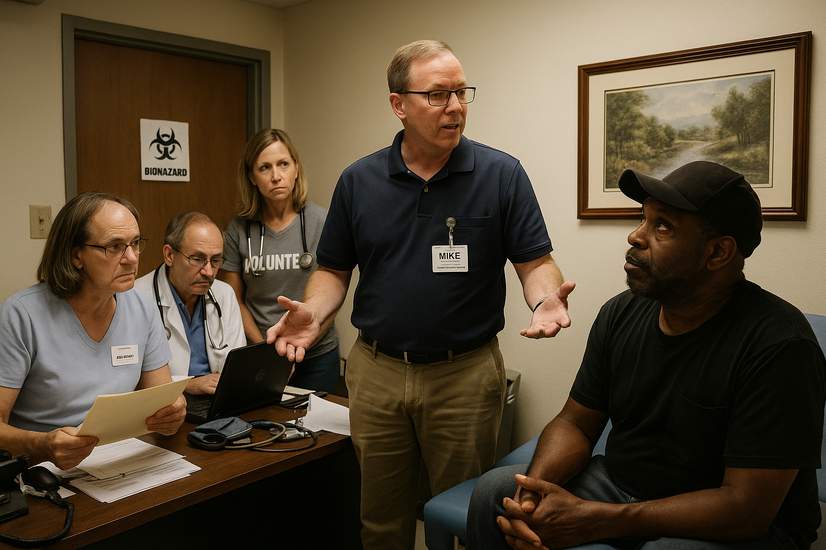
Out of nowhere, the clinic lost access to its imaging services. Executive Director Mike Conaway says they asked for a little breathing room to find a workaround but were given roughly one day’s notice before the service was cut. Imagine telling patients you might not be able to find out what’s wrong because the clinic suddenly can’t get the pictures it needs.
Patients and providers feel the sting
Medical Director Dr. Christa Springston warns that the clinic can’t give truly comprehensive care without diagnostic imaging. When you can’t see what’s happening inside, some answers — and crucial treatment windows — could slip away. That’s scary, especially for people who don’t have simple alternatives.
A temporary bandaid, and the road ahead
Right now, Healing Bridge is covering imaging costs out of pocket to keep patients moving, but that’s not a long-term plan. Clinic leaders are scrambling to find a new imaging partner so those sudden disruptions don’t become the new normal. They need a sustainable fix, and fast.
Bottom line
This tiny clinic does big work on a shoestring. Losing imaging services isn’t just an administrative headache — it jeopardizes timely diagnoses and patient care. The staff and volunteers are hustling to patch things up, but in the meantime, some folks may have to wait longer for answers. If you’d like to picture the problem: it’s like trying to fix a car blindfolded — and nobody wants that mechanic on the job.