Quick snapshot
A controversial Georgia proposal — House Bill 369 — sailed through the state Senate and would force certain county offices to be listed without party names on ballots in big metro counties like Fulton, DeKalb, Gwinnett, Clayton and Cobb. If it becomes law, the change wouldn’t kick in until 2028, but local prosecutors and leaders are already up in arms.
What the bill would change
Under the plan, offices such as district attorneys, county commissioners and tax chiefs would run in nonpartisan contests in specified counties. Supporters say it would depoliticize local roles; opponents say it actually hides useful information voters rely on when choosing candidates.
Why local DAs are angry
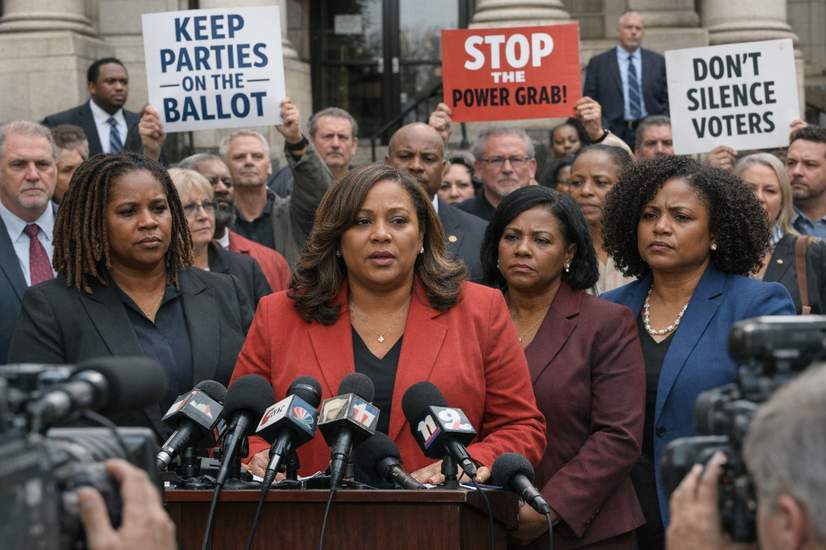
Several metro Atlanta district attorneys are blasting the move as targeted and unfair. They argue the bill would reshape how voters identify candidates and could disproportionately affect Black women who currently hold some of those seats. In short: they see this as a power play dressed up as reform.
Fulton County’s reaction
Fulton County’s top prosecutor called the proposal politically motivated and discriminatory, saying it feels like a direct attack on certain elected officials. The reaction reflects broader worry that this isn’t neutral policy so much as targeted legislation.
Gwinnett and Clayton weigh in
Gwinnett County’s DA stressed that party labels give voters important context, and removing them would limit people’s ability to make informed choices at the ballot box. Clayton County leaders formally protested too, warning the plan could weaken minority voting power and upset the way communities are currently represented.
DeKalb plans to fight back
The DeKalb County prosecutor warned that if the measure becomes law, legal action is likely and could be launched quickly. Officials also flagged the possibility of expensive court battles that might ultimately fall on taxpayers.
Where things stand
The bill still needs approval from the Georgia House and the governor’s signature. If it passes those steps, the nonpartisan rules would start in 2028. In the meantime, local leaders say they’ll be watching closely — and some have already signaled they won’t hesitate to take the fight to court.