Quick recap (because this got messy fast)
Over a weekend post on Truth Social, the president suggested sending ICE agents into airports to help with security and to detain people suspected of being in the country illegally. That kicked off a flurry of behind-the-scenes scrambling at Homeland Security and ICE as officials tried to figure out what, exactly, they were supposed to do.
Why airports are already on edge
TSA has been running short-staffed during the partial government shutdown. Lots of officers have called out sick or resigned, which has led to long lines and frustrated travelers. With a spike in absences and more than 400 employees reportedly leaving the agency, the idea of filling gaps quickly became urgent — and controversial.
What the president asked for
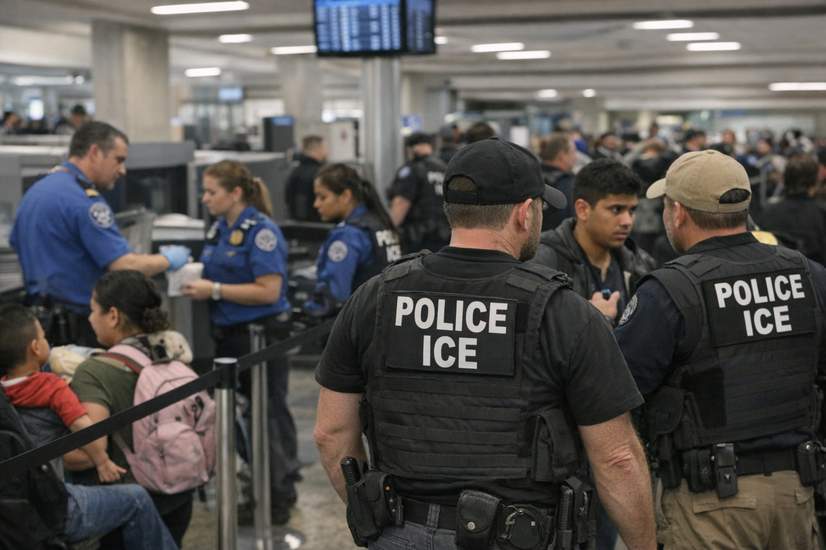
The suggestion was straightforward: deploy ICE officers to airports to shore up security and, potentially, make immigration arrests. Follow-up comments suggested the deployment could start on Monday. It came as a direct nudge to Congress to fund the Department of Homeland Security.
ICE and DHS scramble to figure it out
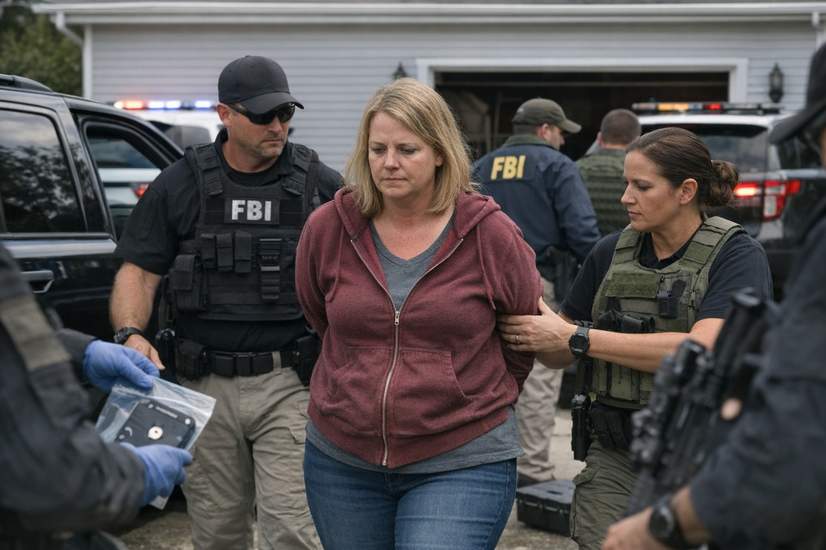
Sources say ICE officials were caught off guard and spent the next days debating logistics. Some in the agency were blunt: they didn’t know how the order would be implemented. Plans were floated for ICE to provide site security, guard entry and exit points, or help check IDs, rather than run the technical baggage and body screenings TSA normally handles.
Do ICE agents have the authority?
Yes — federal immigration officers have broad arrest powers under federal law, so technically they can arrest people suspected of being in the country illegally. But authority doesn’t equal perfect fit: that power is one thing; airport security operations and passenger screening is another.
Practical and training concerns
Former ICE officials and unions pointed out that ICE agents aren’t trained to operate X-ray machines or perform the exacting screening work TSA officers do. Reassigning ICE could help with visible security tasks, but it wouldn’t instantly replace the specialized training TSA officers undergo.
Who else might be better suited?
Some voices said Customs and Border Protection officers would make more sense in certain airport roles because many already work at international terminals performing immigration checks. The suggestion was to use staff who already have relevant airport experience rather than expecting a quick retraining of ICE personnel.
What people are saying
The White House framed the move as a solution to keep airports running, while a DHS statement said ICE officers currently funded by Congress could be deployed to help affected airports. Critics — including flight attendants and unions — warned that introducing agents focused on immigration could distract from the primary mission of keeping air travel secure and could worsen passenger experiences.
The political snag
Lawmakers remain divided. Democrats are refusing full DHS funding without certain immigration oversight measures, and they see this episode as part of that larger fight. Unions and aviation workers urged Congress to pay TSA employees to avoid this kind of scrambling altogether.
Bottom line
The idea to send ICE to airports was announced loudly and quickly, but putting it into practice raised plenty of logistical, training, and political questions. In short: it sounded like a quick fix, but fixing airport security probably needs more than a weekend tweet — and definitely more coffee.