Quick snapshot
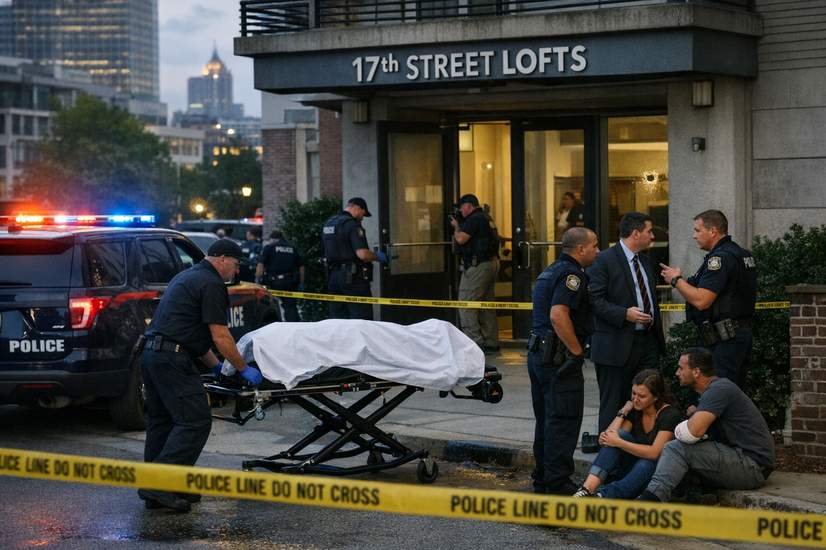
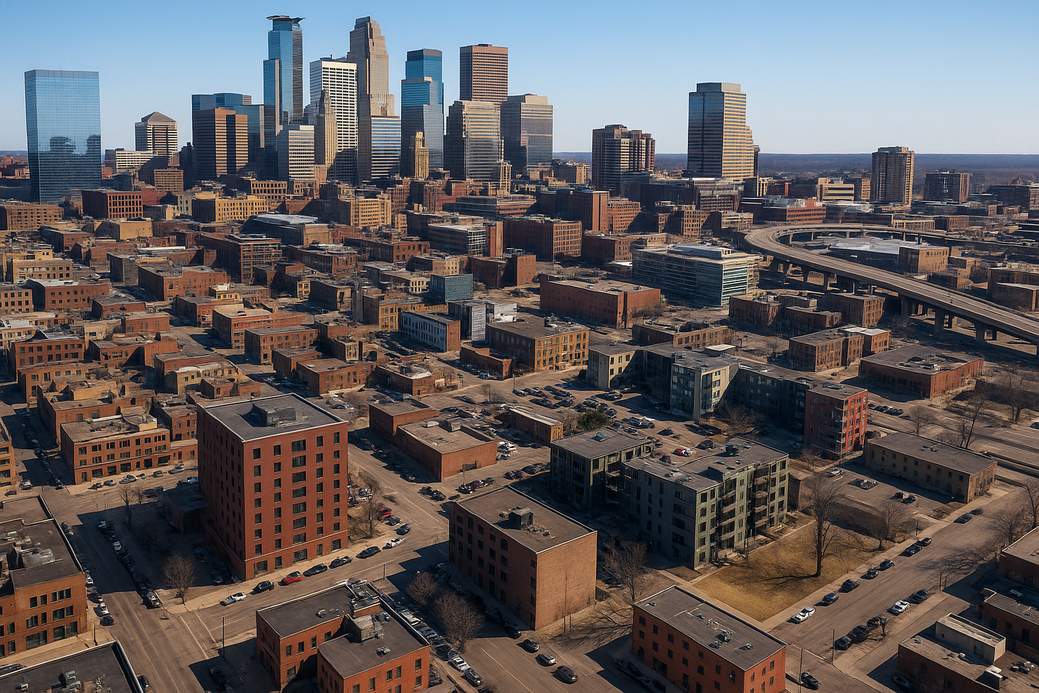
The federal government has ordered a ramp-up of immigration enforcement in the Minneapolis–St. Paul area aimed at people from Somalia who lack legal status. Officials say the operation could begin soon and may go after hundreds of individuals — a move that has sparked alarm, protest and a flurry of statements from local leaders and community groups.
What officials say is happening
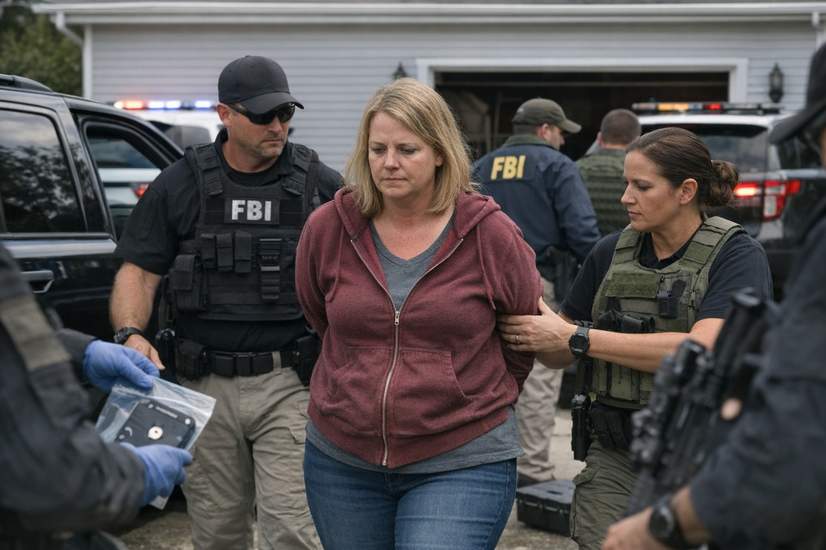
According to people close to the planning, U.S. Immigration and Customs Enforcement plans to send extra resources to the Twin Cities to locate and arrest individuals who have deportation orders. Homeland Security spokespeople declined to discuss potential operations publicly.
The presidential spotlight (and the heat)
President Trump has publicly criticized Somalis living in Minnesota, saying he doesn’t want them in the country and making harsh remarks about their country of origin. That rhetoric has heightened fear in the Somali community and increased scrutiny of federal plans focused on the metro area.
How Minneapolis and St. Paul reacted
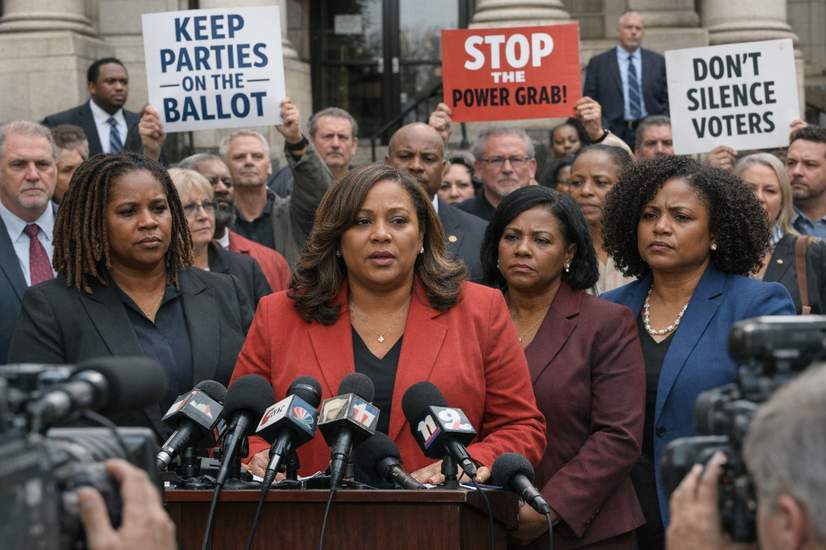
City leaders moved quickly to defend residents. Minneapolis’s mayor stressed that the Somali population is part of the city’s fabric — entrepreneurs, parents and neighbors — and warned that sweeping enforcement risks trampling due process and could lead to citizens being wrongly detained. St. Paul’s mayor called the federal actions un-American and urged unity rather than division.
Police stance and community safety
The Minneapolis police chief emphasized that local officers are not participating in federal immigration arrests and said the department does not ask people about immigration status during typical policing. The department plans to issue additional guidance to officers about interactions related to immigration enforcement.
Voices from the Somali community
Many Somali Americans in Minnesota described growing unease after repeated negative statements from national leaders. Community members say they’ve noticed what they think may be federal agents near familiar gathering spots, and local advocates emphasize the emotional toll on families who consider Minnesota their home.
Alice-in-wonderland bureaucracy: investigations and claims
Amid the enforcement plans, other federal agencies have signaled investigations into whether state funds were misused or channeled to extremist groups abroad — claims that local officials and community leaders say need careful proof and should not become blanket justification for targeting an entire community.
Numbers and a little history
Minnesota hosts the largest Somali community in the U.S., estimated around 80,000 people. Many arrived as refugees after Somalia’s civil war in the early 1990s; between 2005 and 2018 more than 13,000 Somali refugees settled in the state. Local civil-rights groups say the vast majority of Somali Minnesotans are U.S. citizens — and that only a small fraction are at an early stage of immigration proceedings.
Leaders’ warnings and practical advice
Governors and mayors urged calm and preparedness. One state leader called the federal messaging a public-relations stunt and said indiscriminate enforcement is not an effective crime-fighting strategy. Community organizations are reminding residents of their legal rights and encouraging people to connect with local support groups if they have concerns.
Bottom line (with a dash of sarcasm)
In plain terms: a federal push to target deportable individuals in the Twin Cities has put Minnesota’s large Somali community on edge. City officials, faith and civil-rights groups are mobilizing to protect residents’ rights and keep neighborhoods calm. If you live in the area — breathe, know your rights, and maybe avoid drama at the mall until the scene settles down.