Why this final feels like a boxing match (but with basketballs)
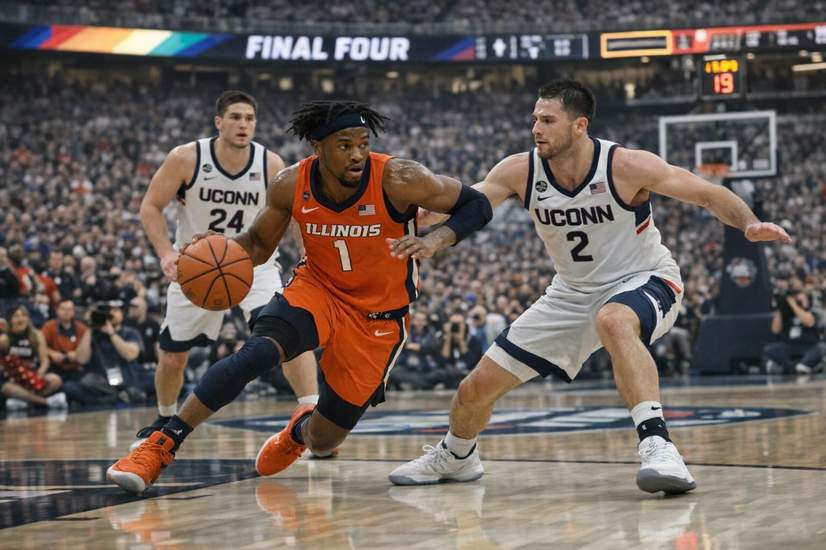
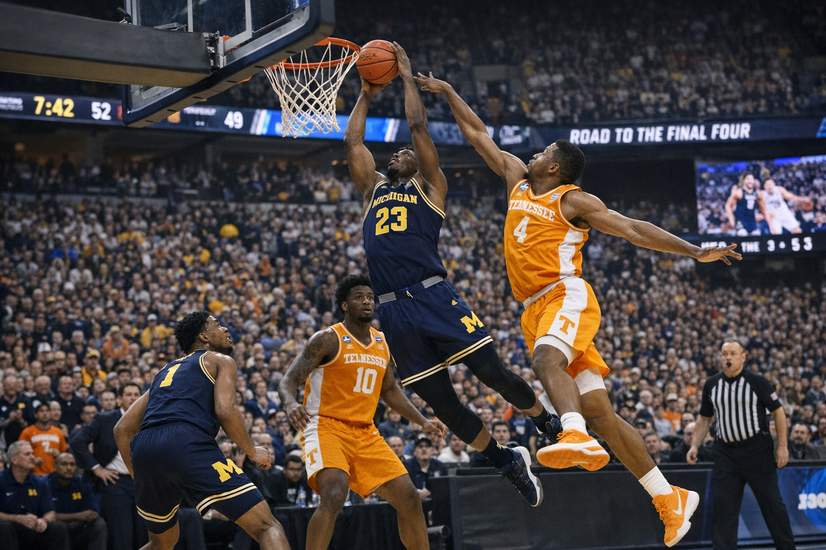
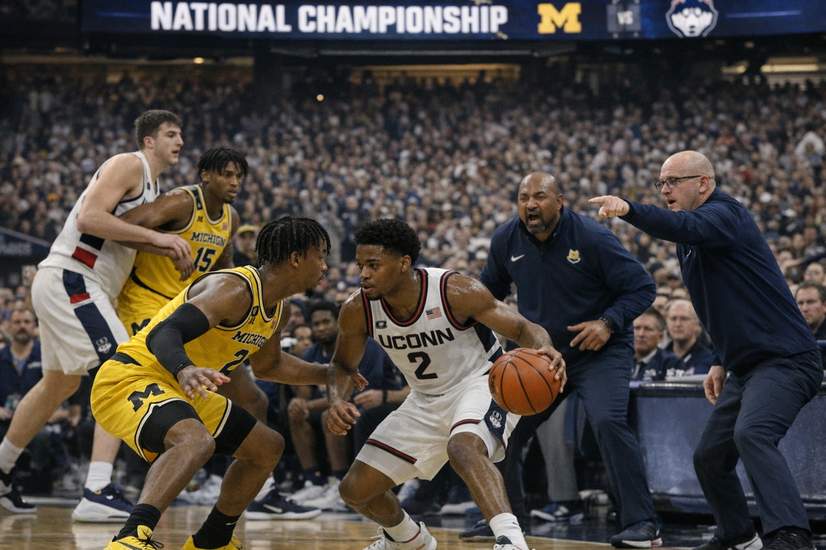
Michigan and UConn walk into the same ring with totally different playbooks — Michigan is brute-speed-on-caffeine, using size and transition to bury opponents, while UConn is the sneaky puzzle-master that keeps inventing new ways to confuse you with screens and movement. Expect a classic styles-clash where one team wants to sprint and smash and the other wants to slow the music and run a chess match.
Coaches on both sides are known for clever game plans, so the coaching duel might be as fun to watch as the players. Film rooms will be burning late into the night as each staff tinkers with matchups, rotations and who’s doing what when the clock hits 10 seconds.
Projected matchups (a messy, switchy plan)
Look for Michigan to throw a lot of switching at UConn — especially across the 1-through-4 spots — to blunt UConn’s screen-heavy attack. The quick-hit version: Cadeau vs. Mullins, Burnett vs. Solo Ball, Lendeborg vs. Silas Demary Jr., Morez Johnson battling Alex Karaban, and Aday Mara shadowing Tarris Reed. Those pairings will create mini-battles inside the flow: speed vs. positional soundness, shooters vs. big men who want to get physical, and a bunch of mid-game improvisation.
UConn Huskies (34-5)
Key trend: UConn generates roughly nine points per game straight from screens, which is elite territory. Their offense is practically a factory of ghost screens, stagger sets, slips and handoffs — all designed to keep defenders on a treadmill. If you blink while covering their actions you will regret it.
That movement makes Michigan’s big bodies work a lot harder than their box-score size suggests. If Michigan assigns someone like Morez Johnson to hang with a shifty cutter/shooter like Alex Karaban, the big guy has to do more dancing than lifting. UConn thrives on the continuity of actions — one thing flows into another — so Michigan must stay glued to their assignments or the Huskies will feast on second chances and late-clock mischief.
There’s also a wrinkle: UConn’s shooting depth matters. One of their reliable shooters rolled an ankle in the Final Four and was seen in a boot afterward, so his availability could swing how stingy or wild UConn’s perimeter attack looks. Bottom line: UConn needs its shots to fall and their screen game to run like a Swiss watch to pull off an upset.
Michigan Wolverines (36-3)
Key trend: Michigan seems to stumble in the slow games — they’re 0-2 this year when the possession count drops into the low 60s. That’s a big red flag because Michigan’s whole thing is speed, spacing and making the floor a highway for transition buckets.
If UConn can make this a halfcourt slog — scrappy defense, long possessions, lots of resets — they dramatically improve their chances. Slow the game down, force Michigan into uncomfortable isolation plays, and hope for turnovers or missed long twos. Conversely, Michigan will do everything to yank the tempo back up: force missed closeouts, run the floor off long rebounds, smash duck-ins and high-low looks into the paint, and generally be loud and physical about it.
The Wolverines’ path to victory is straightforward in theory: keep the chaos, attack the size mismatches, and don’t let UConn settle into its screen-driven rhythm. Sounds easy, right? Spoiler: it won’t be.
Final thought (and a dramatic shrug)
This game is a mood more than a math problem. Will Michigan sprint to a blowout or will UConn string together enough screen wizardry to turn the game into a grinding masterpiece? My take: expect a tactical tug-of-war where possessions matter more than highlights. Whoever dictates the pace — and who can make the other team miserable for 40 minutes — will probably leave with the trophy. Snacks and stress balls recommended.