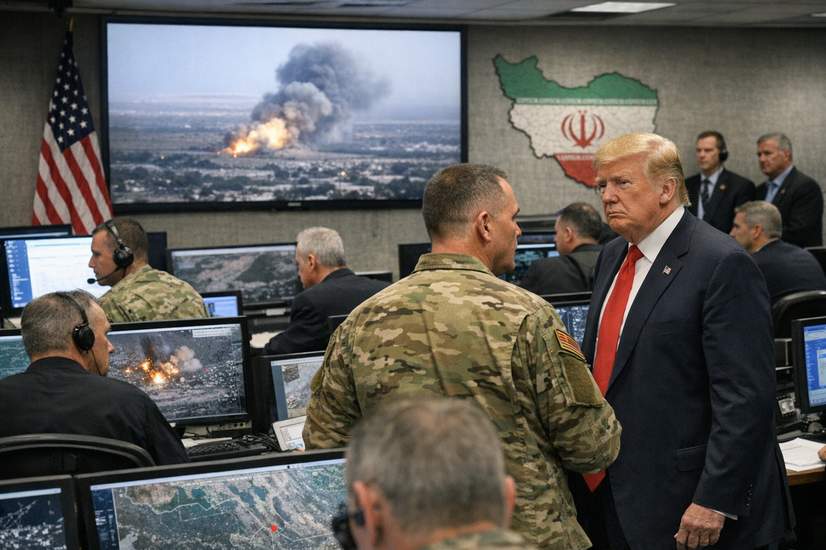
So… is it a war or a very serious eyeroll?
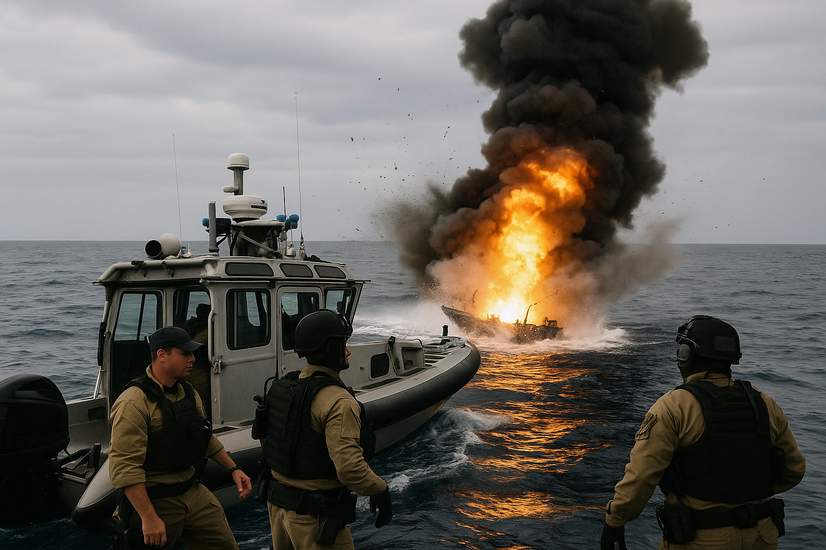
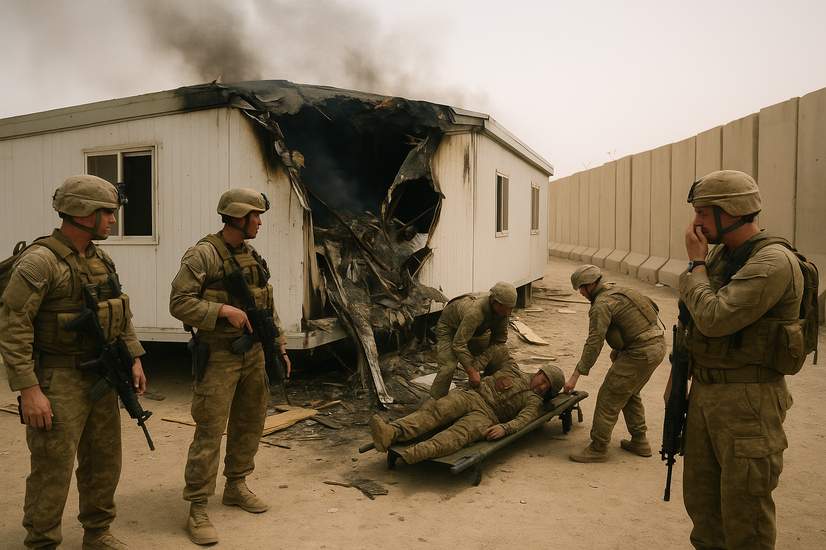
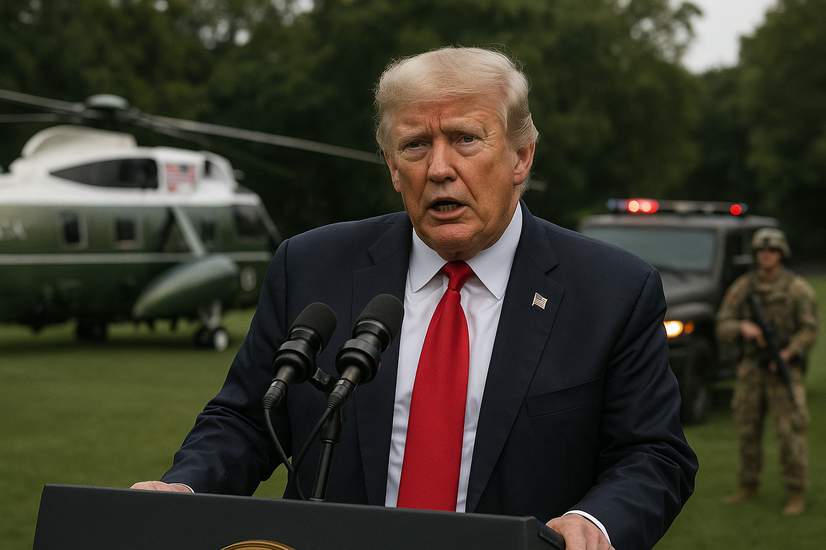
President Trump has been careful to avoid calling the U.S. strikes on Iran a straight-up “war.” Instead, he’s been reaching for euphemisms—think “military operation”—because, he says, the word “war” supposedly triggers a congressional approval alarm. Translation: semantics are doing heavy lifting while lawmakers argue about who gets to press the big red button.
Why the label actually matters
It’s not just wordplay. The U.S. Constitution says Congress has the power to declare war, while the president runs the military. There’s also that 1970s-era War Powers Resolution that limits prolonged hostilities unless Congress signs off. Presidents from both parties have stretched that rule over the years, and the current administration argues the law is unconstitutional—or at least flexible enough for their purposes.
Congress threw some votes, but no knockout
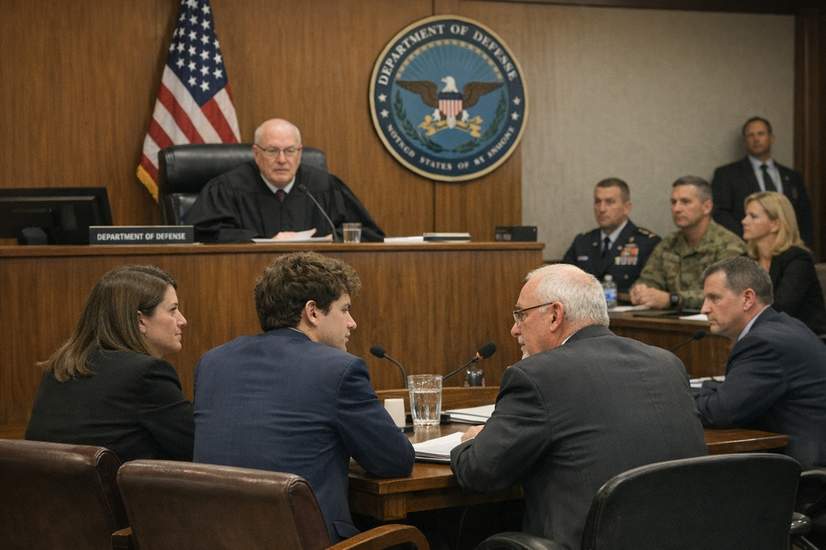
Democrats repeatedly brought measures to limit the president’s actions in Iran, trying to force a congressional say-so. Those attempts didn’t pass, largely because most Republicans lined up against them. In the latest vote, almost all Democrats supported curbing the president’s authority, while nearly all Republicans opposed it, with just a rare cross-party nay and aye here and there.
Out in public, people are shouting different takes
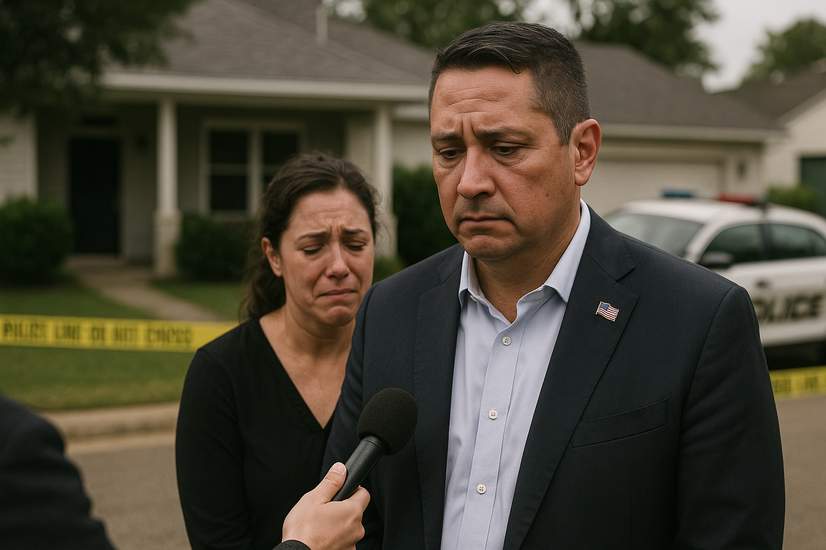
Many Democrats have accused the administration of acting without proper legal authority and even suggested the public hasn’t been fully informed about the human cost. Republicans and the White House, on the other hand, maintain the strikes were justified because of an Iranian threat and say the president was exercising his commander-in-chief powers.
How the administration framed it
In messages to Congress, the White House framed the action as a necessary response to dangerous behavior and positioned the president as acting within his constitutional authority. Congressional allies echoed that language, describing the mission as limited and targeted rather than an open-ended war.
Deja vu: we’ve argued about this before
This semantic-and-legal tug-of-war isn’t new. Back in 2011, when U.S. forces struck in Libya, officials debated whether those strikes counted as a war and whether congressional authorization was required. The playbook of “we’re not getting into a long, open-ended war” has made several comebacks.
So what’s the take?
Bottom line: whether you call it a war, a military operation, or a very dramatic hiccup, the dispute boils down to power, procedure, and politics. Words matter because they trigger legal checks and public scrutiny. For now, the administration prefers a softer label, Congress wants its say, and the rest of us get to watch the semantics circus while the policy debate plays out.