Quick rundown
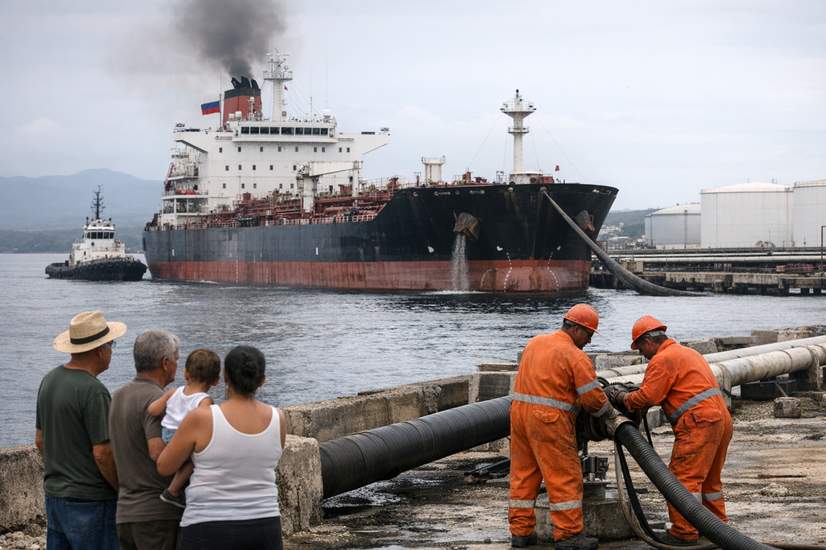
In short: a Russian oil tanker has been loitering off Cuba with a big load of crude, the U.S. president didn’t object to it reaching the island, and the move has stirred up questions about humanitarian need, sanctions and diplomatic theater.
What the president said (in plain English)
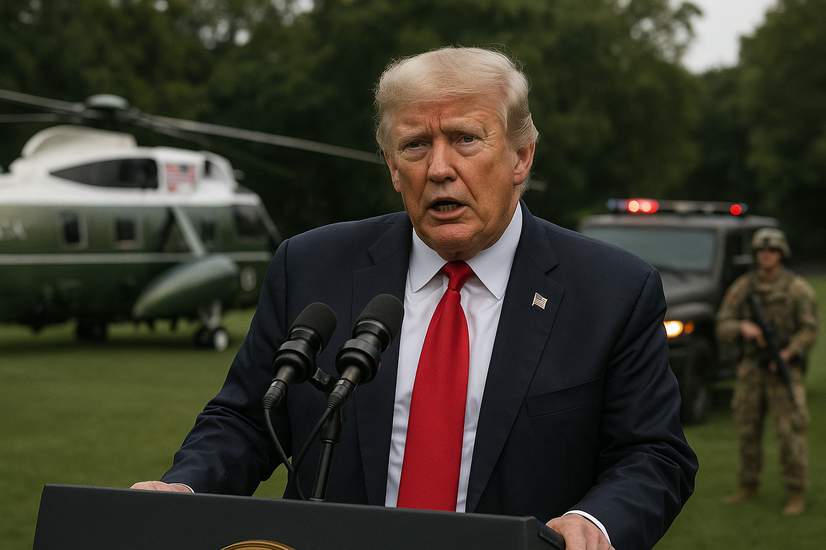
While flying back to Washington, the president made it clear he wasn’t going to block a single shipment of fuel from reaching ordinary Cubans. He basically said that if someone wants to send a boatload of oil to the island to keep people and services running, he won’t stand in the way — even if that someone is Russia. The message was practical and blunt: people need fuel to survive, and one delivery won’t change the geopolitical scoreboard.
Where the tanker is and what it’s carrying
The ship in question, identified by maritime trackers, is carrying a very large cargo — hundreds of thousands of barrels of oil — and was reported near Cuba’s east coast, with Matanzas listed as its likely destination. The vessel has been sanctioned by the U.S., the EU and the U.K., which is why its presence is attracting extra attention.
Why this shipment matters to Cuba
Cuba has been suffering severe shortages that have caused island-wide blackouts, hampered hospitals and snarled public transport. Experts estimate that part of the tanker’s cargo could translate into roughly a week to ten days’ worth of diesel for the country — enough to buy a bit of breathing room for power and essential services.
Sanctions, politics and the big picture
Tensions between the U.S. and Cuba run deep, and the current U.S. approach has aimed to pressure Cuban leadership by restricting critical supplies. Allowing a sanctioned tanker to deliver fuel raises thorny questions: is this a humanitarian exception, a calculated shrug, or just political theater? The president insisted this single delivery won’t help Russia’s strategic aims in any meaningful way and framed the move as compassion for people, not a foreign-policy win for Moscow.
Help from civilians and volunteers
With official channels constrained, private aid efforts have sprung up. For example, two sailboats that left Mexico as part of a solidarity convoy eventually made it to Havana after being out of touch for a stretch. Mexican authorities later located them and escorted them in. Organizers framed the voyage as a people-to-people gesture: crossing oceans to hand-deliver a message of support.
What’s next?
The president has hinted that Cuba could face additional U.S. pressure down the road, calling the situation troubled and suggesting the U.S. would be ready to step in when the time comes. Meanwhile, the island continues to juggle power outages and fuel shortages, and any temporary deliveries will only ease — not erase — deeper economic and political problems.
The bottom line (and a tiny bit of levity)
So: a sanctioned tanker, a pragmatic nod from the U.S. leader, and a country scraping for fuel. It’s part humanitarian pause, part strategic shrug. For ordinary Cubans, it’s about keeping lights on and buses moving; for everyone else, it’s another headline in a long, complicated international soap opera. Grab your popcorn — cautiously, because some places are still running on generators.