Intro: The epidemic of the “person who infects everyone”
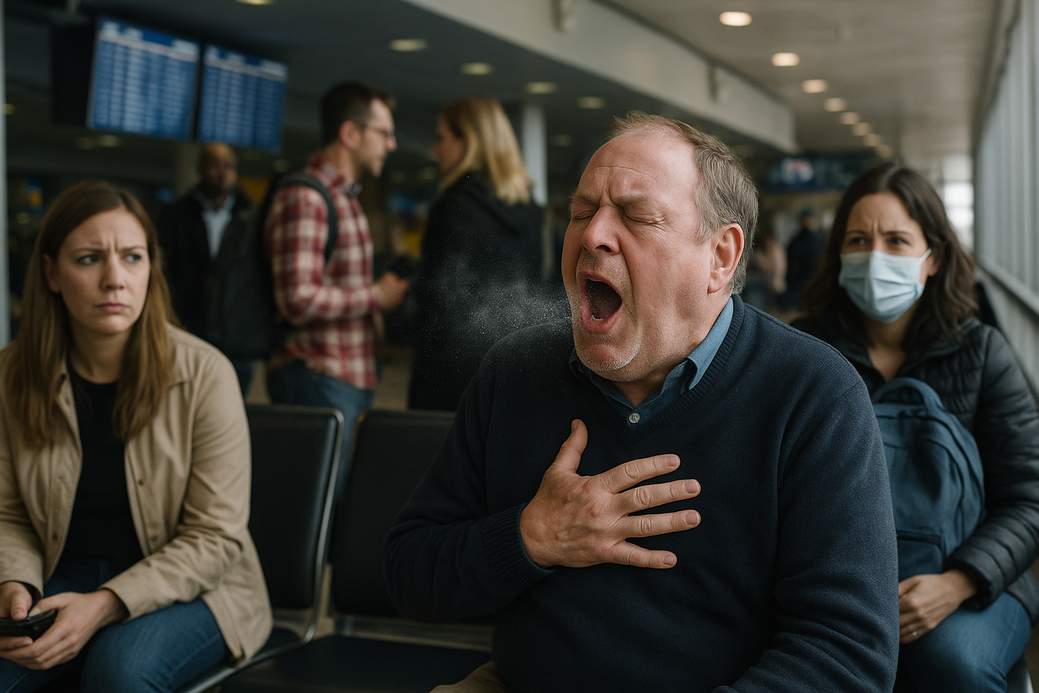
We all know that one mythical figure who somehow turns a low-key cough into a small outbreak — the office karoke champ, the chatty airport neighbour, or that gym buddy who never wipes down the treadmill. Turns out, there’s actual science behind why some people pass on respiratory bugs way more than others. Spoiler: it’s a weird mash-up of how sick you are, how you breathe and talk, what your mucus is like, and whether you hang out in places that let germs throw a party.
Are you super sick?
If germs had a popularity contest, the peak of your infection is when you go viral — literally. When someone is at the worst stage of an infection they exhale far more tiny droplets and aerosols. Think of your breath turning from a light mist into a fog machine: the particle count can shoot up many times, which multiplies the number of infectious bits in the air.
Smaller aerosol particles are the real mischief-makers because they can float longer and travel deeper into other people’s lungs. Some research suggests a single tiny particle can be loaded with hundreds of viral copies, so crank up the particle count and you’ve got a recipe for fast spread. In short: feeling rotten = more likely to spread.
Do you speak loudly, sing, or get dramatic with your Ts and Ks?
Yes, your voice is suspicious. Loud talking, singing, or being that person who leans in like a dramatic podcast host makes you spray more aerosols. Experiments show speaking loudly can produce many times more particles than speaking softly. The vocal cords slam open and shut more vigorously at higher volumes and that makes extra droplets pop out.
Oddly specific sounds matter too. Explosive consonants — the T, K and P family — tend to flick out little droplets when you pronounce them forcefully. Even vowel shapes influence particle output: some vowel sounds make you push more air in ways that dislodge particles. Translation: enthusiastic karaoke, passionate debates and emphatic gossip are all potential superspreading activities.
Are your lungs big or small? The sneaky role of lung size and mucus
Kids usually escape superspreader status — partly because their lungs are smaller and they breathe less air. Adults vary a lot too: genetics, childhood activity, asthma and environmental exposures can make someone’s lung capacity larger or smaller, which affects how much air (and how many particles) they move in and out.
And then there’s mucus — the unsung (and slimy) hero of your respiratory tract. Mucus isn’t identical from person to person: it differs in thickness, chemistry and what microbes live in it. Some people’s mucus traps and inactivates viruses better; others have mucus that lets viruses remain infectious and get flung into the air more easily. Gross, but true.
Are you in the right (or wrong) place at the right time?
A lot of would-be superspreaders never become headline-makers simply because of where they spend their time. Superspreading needs an audience. Big groups in closed spaces — think crowded gyms, choirs, bars, public transport during rush hour — are perfect for airborne bugs. Heavy breathing during workouts multiplies aerosol production, and poor ventilation lets those aerosols stick around like unwelcome party guests.
Humidity is another low-key villain: in dry air, droplets can evaporate quickly, shrink, and stay airborne longer. So dry, indoor winter air helps infectious particles behave like little stealth ninjas.
It’s not one thing — it’s a whole messy combo
Being a superspreader isn’t usually about one single trait. It’s the cocktail of being at the peak of your infection, breathing lots of air, speaking loudly or singing, having mucus that doesn’t trap virus well, and spending time in crowded, poorly ventilated places. Some studies even note that middle-aged men show up more in transmission clusters, but that could be about social roles and behavior, not some mysterious male superpower.
Quick, practical survival tips (so you don’t become a legend for all the wrong reasons)
• If you feel sick, act like your social life is a bubble: stay home, or at least avoid crowded indoor hangouts.
• Singers, toddlers, and rowdy conversationalists: maybe take the quieter mic. Masks work, especially in crowded or poorly ventilated places.
• Improve ventilation where you can — open windows, use fans, or go outside.
• Humidify dry rooms in winter to reduce airborne time for tiny particles.
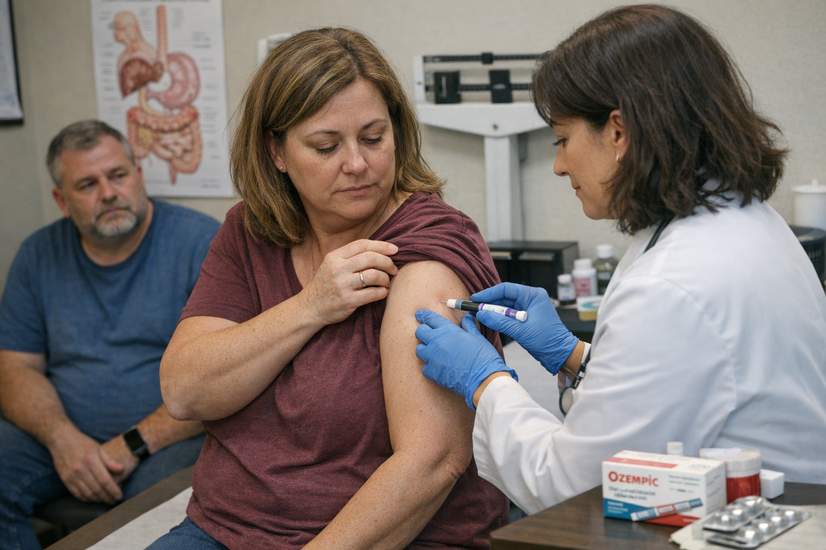
• Vaccination helps reduce the chance you’ll get so infectious in the first place — so yes, that poke in the arm remains a solid life choice.
Final curtain call
Most of us will never be the person on the evening news for sparking an outbreak, but understanding what makes superspreaders helps us all behave a little smarter. If you want to be extra-notorious for the right reasons, skip the karaoke bar when you’ve got a sore throat and maybe keep your dramatic monologues to a diary. Your coworkers will thank you.