Why baby sleep makes everyone a conspiracy theorist
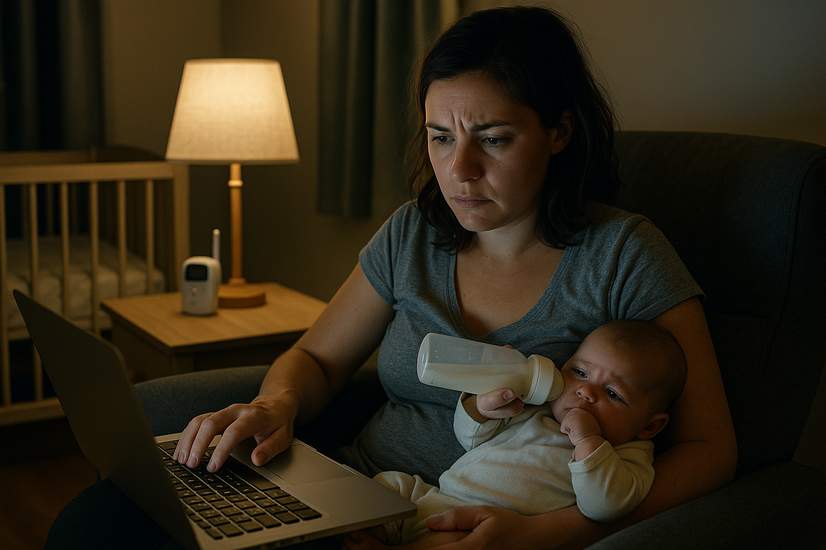
If you’ve ever scanned a parenting forum at 3 a.m. while feeding a tiny insomniac, you know that baby sleep is a hotbed of opinion, snake oil and very confident strangers. There’s a whole industry selling schedules, programs and the promise of a single glorious, uninterrupted eight-hour stretch. Spoiler: babies don’t read the manuals. Below I unpack five common sleep myths, what the real research (and reality) tends to show, and some friendly, low-drama takeaways.
Myth 1: Most babies “sleep through the night”
Wishful thinking aside, sleeping straight through is not the norm for most infants. Big surveys and sleep studies show that many babies wake one to three times a night in the first year. Parent-reported data tends to undercount wakings, and video/recording studies find even more. The good news: wakes usually decrease as babies near their first birthday and beyond — but expecting a six-month-old to be a sleep superhero is often unrealistic.
Myth 2: Night wakes are always just a habit that can be trained away
Some night waking is normal, but not all nighttime fussing is behavioral. Medical issues like iron deficiency, reflux, food sensitivities, ear infections, and sleep-related breathing problems can make sleep bumpy. So before blaming only technique or willpower, consider a check-in with your pediatrician if wakes feel excessive or sudden changes pop up.
Myth 3: Every baby needs 12 hours of nighttime sleep
That nice neat 7pm–7am idea lives in a lot of parenting guides, but sleep needs vary by child and culture. Many studies find average nighttime sleep closer to 11 hours for young kids, and in some countries babies sleep fewer night hours but function just fine. Pediatric sleep guidelines talk about total 24-hour sleep ranges, not a rigid night-only number — so don’t panic if your baby’s night length isn’t exactly a dozen hours.
Myth 4: Motion naps (stroller, car, sling) are useless light sleep
Contrary to the scolding comments on social media, motion naps aren’t automatically second-rate. Babies often fall asleep more easily with gentle movement, cry less, and some studies even suggest rocking boosts deeper sleep stages in adults and animals. Remember: fetuses snoozed a lot while being bounced around in utero, so a bit of motion is pretty natural.
Myth 5: Daytime sleep “steals” night sleep — more naps mean worse nights
The relationship between naps and night sleep isn’t one-size-fits-all. For older toddlers, long naps can sometimes make bedtime harder. In very young infants, daytime nap length usually doesn’t drastically alter night sleep, though small effects have been observed at a few ages. The key is the baby’s internal sleep pressure — sleep too little or too much during the day and bedtime can get messy. Tailor naps to the child, not a chart.
A mellow wrap-up (or, how to survive the nights)
Parents: expect variety. Many wakings are normal, some are medical, and most babies gradually sleep better as they grow. Trust your instincts, keep routine gentle and flexible, and ask your pediatrician when something feels off. And remember — most parenting advice sounds urgent at 2 a.m. but makes a lot more sense in daylight.