Quick take
Short version: maybe. Some studies suggest you can pile on extra shut-eye ahead of a rough patch and handle sleep loss better, but not every scientist is convinced. It’s not a free pass to stay up all week and stroll into the weekend with a mattress-shaped piggy bank.
What people mean by “sleep banking”
Think of sleep banking like topping off a gas tank before a long road trip — except with more drooling and fewer service stations. The idea is: sleep more than usual for a few nights before you expect to be short on sleep, so your brain and body are better prepared when the all-nighters hit.
The experiments that kicked this idea off
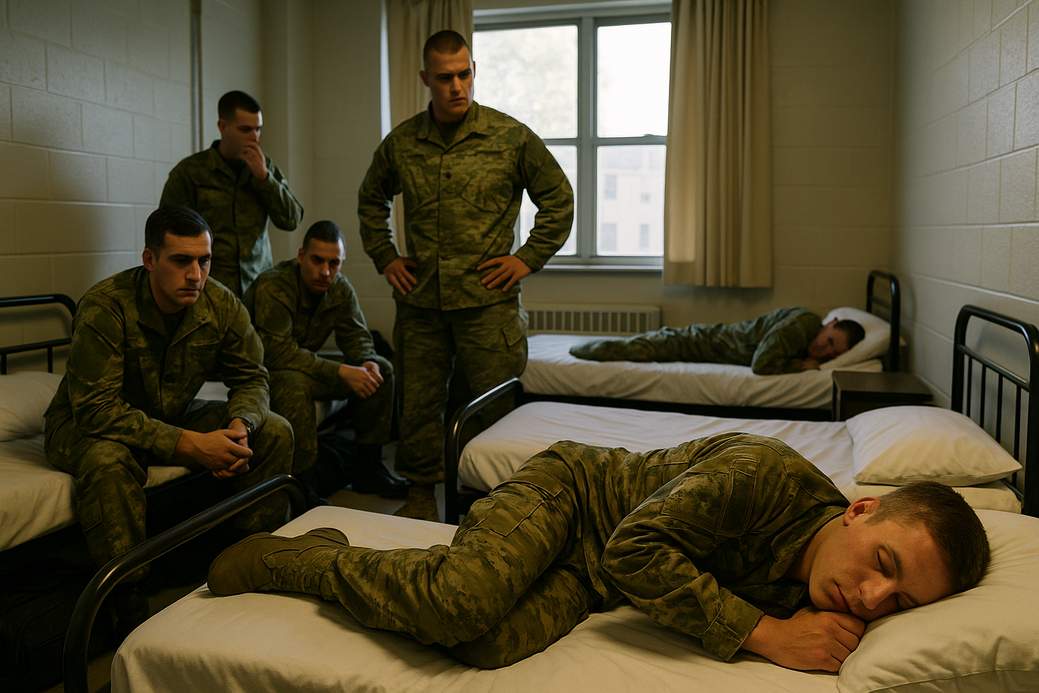
Researchers first tested the concept with military volunteers. One group was allowed longer nights of sleep for several days, then everyone got put through a period of major sleep restriction. The folks who had extra rest beforehand tended to stay sharper and recovered faster afterwards. That result got people curious and spawned follow-up studies.
Where sleep banking seems to help
Subsequent research has looked at medical staff, athletes and sailors. In some cases, getting a bit more sleep for several nights before a stretch of night shifts improved performance. Athletes who extended their nightly sleep reported better accuracy and sprint times in some studies. So, when performance matters and sleep loss is predictable, a little preemptive snoozing looks useful.
Why it might work (in nerdy terms)
Scientists offer a couple of explanations. Sleep helps the brain clear metabolic waste and replenish energy stores — basically giving neurons a tidy-up and a snack. If you bank sleep, you might be giving those cleanup systems a head start, which makes the brain more resilient when you later have less sleep than usual.
Why others say “not so fast”
Not everyone buys the piggy-bank idea. Some experts argue that extra time in bed just pays back an existing sleep debt rather than creating a true surplus you can spend later. In other words, you can probably catch up, but you can’t magically get a credit balance of sleep to draw on whenever you feel like it. There are also concerns that study designs sometimes make it hard to prove cause and effect.
How to experiment with it (without wrecking your schedule)
If you want to try sleep banking, keep it simple: add an extra 30–60 minutes of sleep per night for about a week or two before your busy period. Naps can help too — short naps are great, but avoid long afternoon naps that leave you groggy or ruin your nighttime sleep.
Practical tip: it’s usually easier for most people to sleep in later than to fall asleep much earlier, but if you’re an early riser, shifting bedtime earlier might work better for you.
Caveats and common-sense warnings
Sleep banking isn’t a cure-all. It shouldn’t replace regular healthy sleep habits, and it’s not a licence to be chronically sleep deprived during normal weeks. Also, needing absurdly long sleep (like regularly more than 12 hours) could signal an underlying health issue, not a bonus balance you should chase.
And remember: if you’re already deep in sleep debt, the benefits of extra pre-sleep might be limited — catching up sooner rather than later is the safer bet.
Final snooze notes
Bottom line: topping up your sleep before a known period of sleep loss probably helps a bit, especially for short-term performance tasks. It’s quirky and useful as a targeted hack — think of it as smart insurance for your brain — but it’s not a substitute for nights of steady, good-quality sleep. Keep a regular schedule whenever you can, sneak in naps when needed, and don’t treat sleep banking like an unlimited credit card for bad sleeping habits.