Quick snapshot
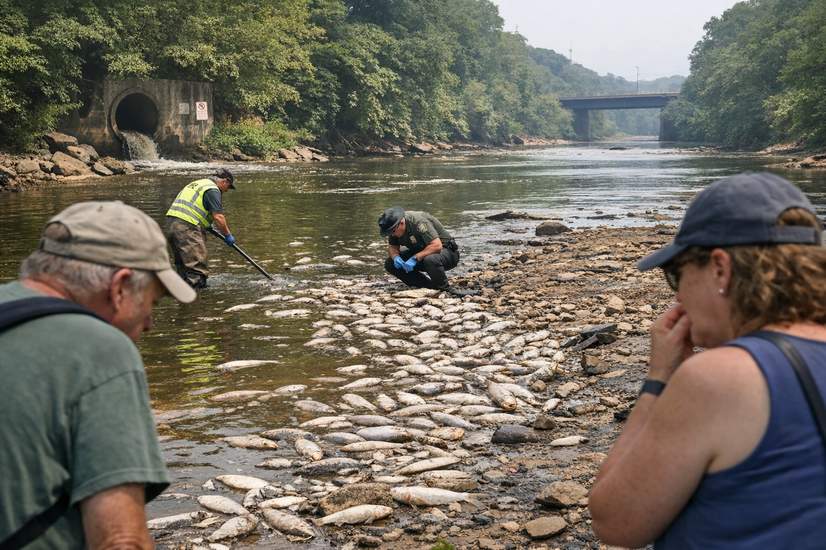
A sudden storm flushed a mess into the Chattahoochee River and, combined with low water from a persistent drought and hot temperatures, ended up killing thousands of fish along roughly a 20-mile stretch. It wasn’t one single villain — it was a tag-team of drought, pollution and stormwater overflow.
How the river went from fine to awful
After an intense downpour — about three inches in an hour — stormwater and sewage systems couldn’t keep up. Runoff from streets, parking lots and parks swept a pile of contaminants into the river. With water levels already near historic lows, the river had less dilution to begin with. Add summer heat and suddenly the oxygen levels in the water dropped, which is basically aquatic suffocation for fish.
Why this felt especially bad
Locals and river advocates say the scale of the kill is stunning. Longtime observers report they haven’t seen anything like it in decades. When you have drought, lots of built-up pollution on the landscape, and a rapid, heavy storm all at once, the results can be dramatic and ugly.
People, fish, and the economy
This isn’t just ugly for the fish. It hits the food chain (birds and other critters that eat fish), upends recreation, and worries anglers who love trophy catches. There are also ripple effects for local businesses that depend on river recreation — boat rentals, guides, bait shops — and for anyone who enjoys the river on weekends.
The climate angle
Experts worry that extreme downpours are happening more often. Events that used to be rare — the kind of storm you’d expect once in a century or more — have been cropping up repeatedly in recent years. Wetter, fiercer storms hitting a landscape that’s dry most of the time is a recipe for these intense flushes of pollution.
What officials are doing next
The Riverkeeper group and city water officials are investigating to figure out exactly why this event overwhelmed containment systems. Atlanta did install new infrastructure years ago to reduce these kinds of overflows, but authorities need to know whether the problem was system capacity, the extreme nature of the storm, or a mix of both. Legal teams are also reviewing the situation as the advocacy group plans next steps.
Bottom line
The Chattahoochee had a seriously bad day. Fixes will involve plumbing, policy, and probably a lot of patience. For now, locals are left with a grim tally of dead fish and a sharpened sense that drought, aging infrastructure and increasingly intense storms make for a very unhealthy river. Nobody wants to be the person who has to tell the fish why their neighborhood got flooded with problems.