Introduction: Meet the Forsytes (not your friendly neighbours)
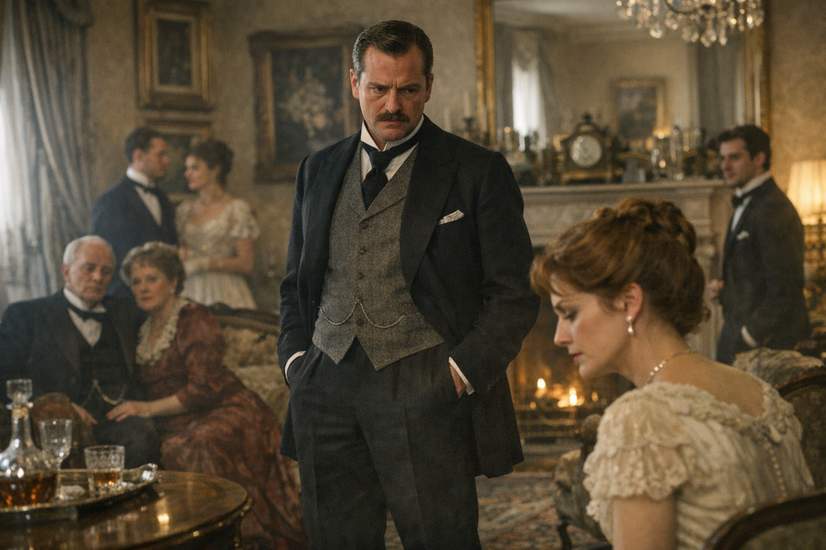
Think of a wealthy family that treats status like a competitive sport and possessions like personality traits. That’s the Forsytes — an upper-middle-class clan from late-Victorian and Edwardian Britain who argue, invest, and posture their way through nearly every page of John Galsworthy’s saga. The stories feel old-school on the surface but hit surprisingly modern notes about class, ambition and what happens when people treat others like assets.
Why the saga still matters
Galsworthy’s books read like a social X-ray. He uses one family as a microcosm of a country in flux — new wealth elbowing into polite society, old hierarchies getting nervous, and generations clashing over what “respectable” even means. The themes keep turning up in TV shows and drama because family drama + money = timeless chaos.
Soames and Irene: property, possession and messy feelings
At the center of the first novel is Soames Forsyte, a man for whom property isn’t just investments — it’s identity. He treats people, especially his wife Irene, as extensions of his ownership. The books don’t shy away from how harmful that mindset can be: a pivotal, traumatic event in their marriage shows the devastating effects of thinking someone is a possession rather than a person. It’s handled as a moral wound even when the law of the time didn’t recognize it.
Women who quietly (and not-so-quietly) push back
Despite the male-dominated social scene, several female characters find ways to resist. Irene’s arc—forced into a marriage, enduring suffering, then carving out a life on her own terms—reads as an early portrait of personal agency. Other women in later sections also step into public life, philanthropy and reform, showing that the books contain surprisingly strong critiques of the era’s gender rules.
Empire, control and family as miniature empire
Galsworthy threads imperial themes through the family drama: domination abroad mirrors domination at home. Younger characters question the ethics of empire and compare national control to the power men exert over women. The family becomes a tiny empire where authority, pride and possession get enforced and argued over.
Generational warfare: old rules vs new ways
The Forsytes capture a nation shifting from Victorian certainties toward Edwardian uncertainty. Older characters cling to status and material logic; younger ones want new meanings and freedoms. The friction fuels much of the plot, and even Soames, who’s wedded to materialism, is left to reckon with whether his life choices were worth it.
Stage and screen: adaptations that keep the gossip alive
Galsworthy’s saga has been adapted repeatedly — from Hollywood takes to acclaimed BBC and stage productions — because it’s essentially a juicy soap with moral teeth. The beloved 1967 BBC series paved the way for modern period epics, and echoes of the Forsytes show up in everything from Downton Abbey’s drawing rooms to Succession’s power plays.
Legacy of the author
John Galsworthy, who was part of the same social world he wrote about, won the Nobel Prize in 1932. Critics from the modernist school weren’t fans, but the novels endured. He even used his own money in ways that reflected his beliefs, leaving small benefits for locals in his will.
Where to watch (and why you might)
If you like sprawling family sagas where manners, money and grudges collide, give the Forsytes a go. A new TV adaptation is streaming on MASTERPIECE on PBS and Prime Video — an easy way to jump into vintage snobbery, emotional landmines and the occasional moment of unexpected tenderness.
Final thought
Galsworthy’s family may be from another century, but they act in ways we still recognise: hoarding status, scrapping over legacy, and learning (sometimes too late) that treating life like an investment doesn’t always pay the emotional dividends people expect. It’s dramatic, often uncomfortable, and oddly satisfying — like watching someone lose their wallet and their dignity at once.