Quick snapshot
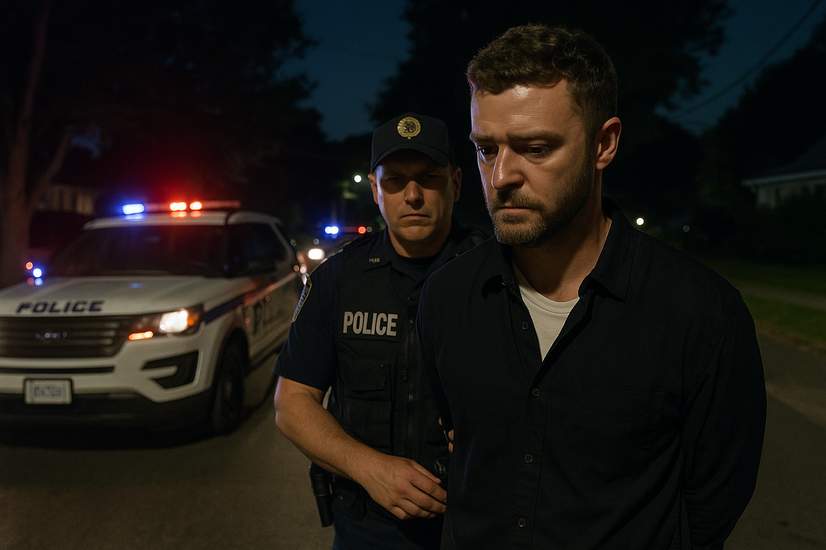
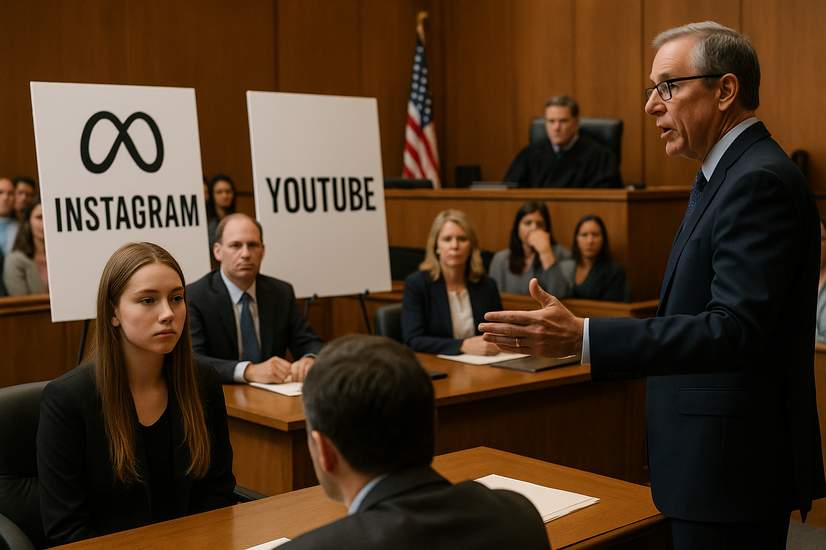
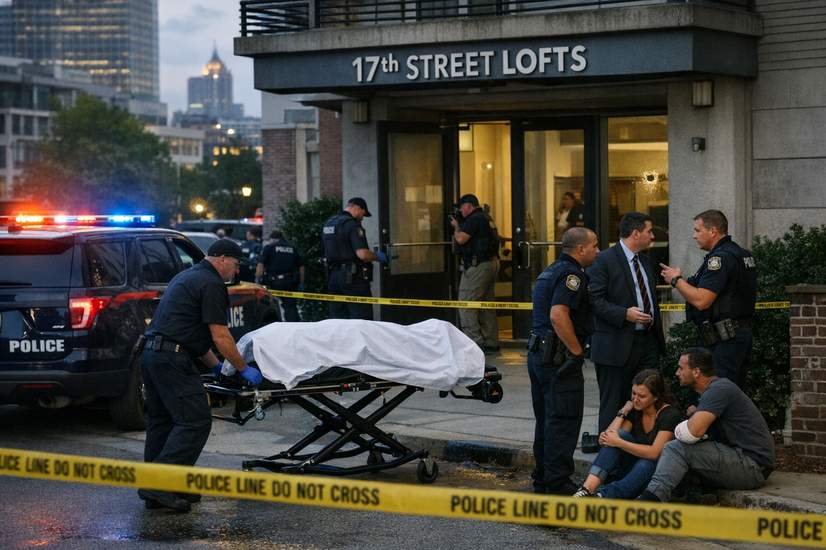
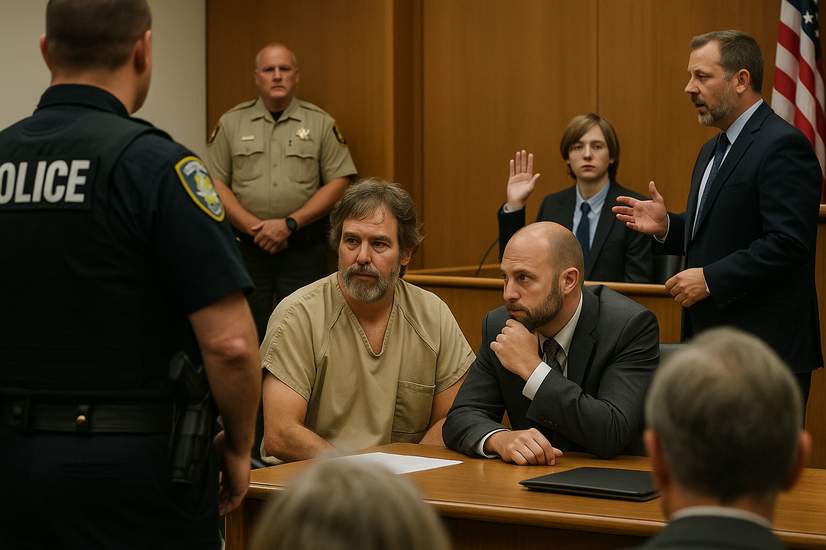
There’s a trial underway in Barrow County after a September 4, 2024 school shooting at Apalachee High School. A father, Colin Gray, is standing accused of letting his then-14-year-old son have access to a rifle that prosecutors say was used in the attack. The allegation: his actions made the shooting possible. The son, Colt Gray, is charged separately as an adult for the killings and injuries at the school.
Who’s charged and what they’re facing
Colin Gray’s legal troubles are serious — two counts of second-degree murder, two counts of involuntary manslaughter, 20 counts of cruelty to children, and five counts of reckless conduct. If convicted on everything, prosecutors say the sentences could add up to as much as 180 years behind bars. Colt Gray, the teenager accused of pulling the trigger, faces four counts of felony murder and other charges; his trial date hasn’t been set yet.
The timeline prosecutors laid out (yes, it’s grim)
Prosecutors said the boy brought a rifle to school and that, earlier that day, his mother had called a counselor about worrying text messages. The mother reportedly warned that he had access to firearms, which led school resource officers to try to locate him. According to the timeline presented in court, the teen asked to go to the counselor’s office, disappeared into a bathroom stall for more than 20 minutes, then came out dressed in yellow work clothes and armed with a rifle.
What followed was devastating: investigators allege the 14-year-old killed two students and two teachers and wounded nine others. The people named in court as having been killed were Mason Schermerhorn, 14; Christian Angulo, 14; Richard Aspinwall, 39; and Cristina Irimie, 53.
What prosecutors are saying
The prosecution’s angle is straightforward: they say the father allowed a child in his custody to access a gun and ammunition even after warnings that the child might hurt others. They emphasize prior contact between local law enforcement and the family more than a year before the shooting — officers interviewed the father and son about online threats but couldn’t tie a threatening account to the teen, so no arrest was made.
How the defense answers
Defense lawyers say Colin Gray tried to get help and had asked investigators whether their earlier probe pointed to his son. They argue he couldn’t have known his child would actually commit this crime, and that you can’t judge the father only by the terrible outcome after the fact. In short: the defense says the dad sought mental health support through the school and tried to be responsible, but never received a clear confirmation from authorities about the earlier threats.
Teachers who saw things go wrong
Several teachers testified about odd behavior the day of the shooting. One teacher noticed what looked like a poster poking out of the student’s bag but later learned it was wrapped in clothing with a hat over it — and the kid seemed strangely nervous. She asked if he needed help, flagged the counselor, and later warned her next class to stay put when alarms sounded.
Another teacher said she saw a student with a rifle outside her door, immediately tried to alert administrators and officers, told her class to get into a corner and turned off the lights. Audio from a 911 call by an unidentified 14-year-old was also played in court as part of the record. Eventually, students were escorted out of the building with their hands up.
Background details that surfaced
Records and testimony revealed that the father told authorities he had been teaching his son about guns and hunting and said he would remove firearms if his son made threats. Prosecutors say, however, that at some point the father gave his son an AR-15-style rifle and that worrying behavior from the teen didn’t result in professional mental-health intervention.
Where things stand now
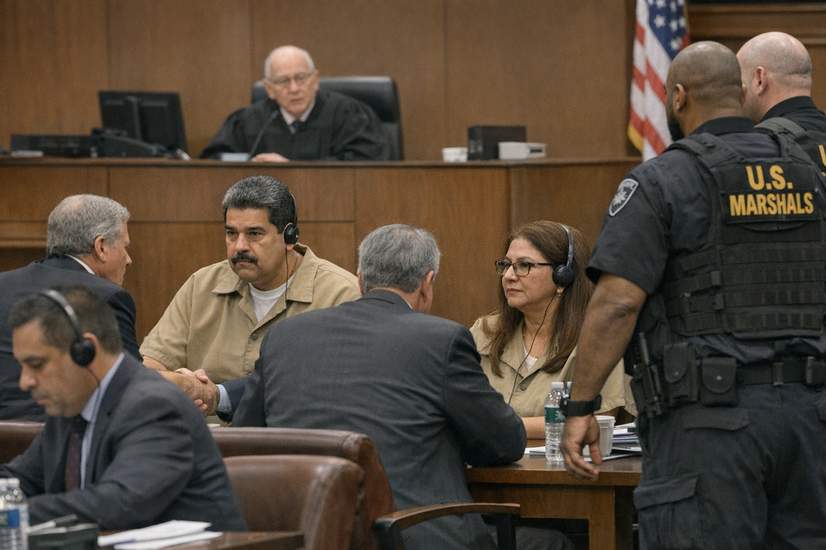
Judge Nicholas Primm is presiding over the father’s trial in Barrow County. The courtroom has been hearing competing versions of events — prosecutors pointing to choices they say enabled the tragedy, and the defense arguing that the outcome couldn’t have been predicted. The father faces decades in prison if convicted; the teenager’s fate will be decided in a separate proceeding down the road.
Why this matters
Beyond the legal wrangling, the case raises hard questions about parental responsibility, warning signs, school safety and how authorities respond to threats. It’s a painful reminder that tragic events leave complicated legal and moral questions in their wake — and a lot of people still want answers.