Why yarn beats doomscrolling
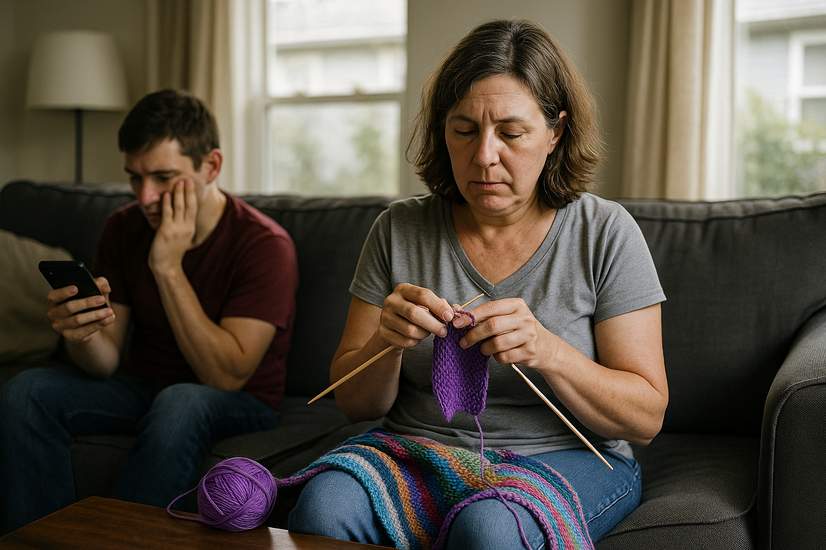
Knitting is cheap, portable, and oddly effective at stealing your hands away from unhelpful habits. Whether someone is biting their nails, doomscrolling, or wrestling with harder addictions, many people find that having needles and yarn on hand distracts the body and soothes the mind. The best reported side effect? An avalanche of mismatched scarves.
Anecdotes that actually feel true
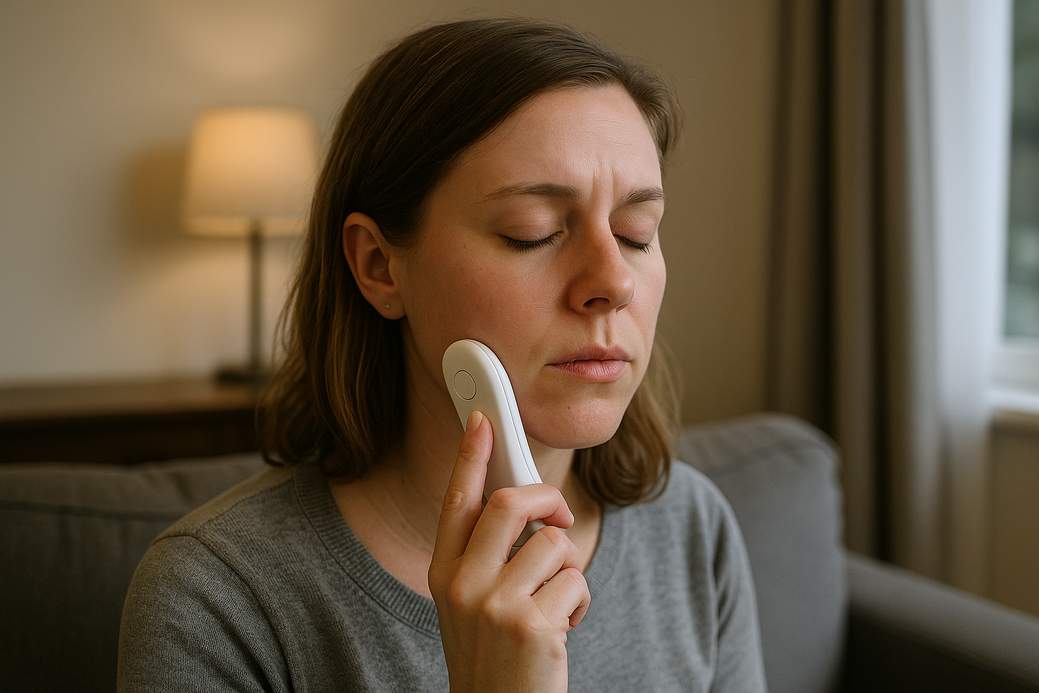
Plenty of people have swapped destructive tics for stitches. For some, obsessive skin-picking and nail-biting faded once their fingers were busy making loop after loop. Others report that knitting became a ritual that replaced the ritual of smoking or scrolling — the rhythm is oddly satisfying and gives your hands something to do besides their old habit.
What the research says (short version)
Knitting hasn’t had the loudest PR team in academia, so formal studies are still few and far between. Most research so far relies on surveys of regular knitters or small trials in residential treatment settings. Those reports are encouraging — lots of folks say knitting calms them — but the evidence isn’t yet the same kind of heavyweight proof you’d expect for a new medication.
How it might work
There are a few plausible reasons knitting helps. The repetitive, two-handed motion can produce a calming, rhythmic effect similar to certain therapeutic techniques that use lateral movement. That rhythm seems to nudge the nervous system toward a more relaxed state. Knitting also demands enough focus to pull attention away from cravings or worries without requiring intense concentration — a sweet spot for emotional regulation.
Real-world wins: quitting and coping
People in recovery programs and those trying to quit cigarettes or break compulsive behaviors often say knitting was useful. Some have used it as a direct replacement for a harmful ritual: when the urge hit, they reached for yarn instead. Several small studies and many personal stories back this up, though researchers warn that sometimes knitting was paired with education or other supports, so it’s hard to say knitting alone did the whole job.
Not a miracle cure
Don’t expect knitting to fix everything. Many popular claims — like dramatic cuts to blood pressure or guaranteed protection against dementia — aren’t solidly proven. And a lot of knitting research so far samples similar groups of people, so we need broader, better-controlled trials before prescribing knitting as an official therapy.
Getting started without rage and dropped stitches
Learning to knit is different from the blissful, meditative knitting people talk about. Beginners will curse, drop stitches, and commit small acts of yarn-based sabotage. The trick is sticking it out until the motion becomes second nature. Local knitting groups, yarn shops, and friendly classes can be lifesavers — or stitch-savers.
Alternatives if needles aren’t your thing
If knitting feels too fiddly, there are simpler two-handed fidgets that can provide similar benefits — worry beads, handheld spinners, or other tactile objects. The key ingredient seems to be using both hands in a rhythmic way long enough to distract your brain and calm your nervous system.
Bottom line
Knitting isn’t a silver bullet, but it’s a low-cost, low-risk tool that helps a surprising number of people manage urges, soothe anxiety, and replace harmful rituals. Try it as a cheeky experiment: you might lose a habit and gain a hat (or three).