Welcome to the Wuthering Wars
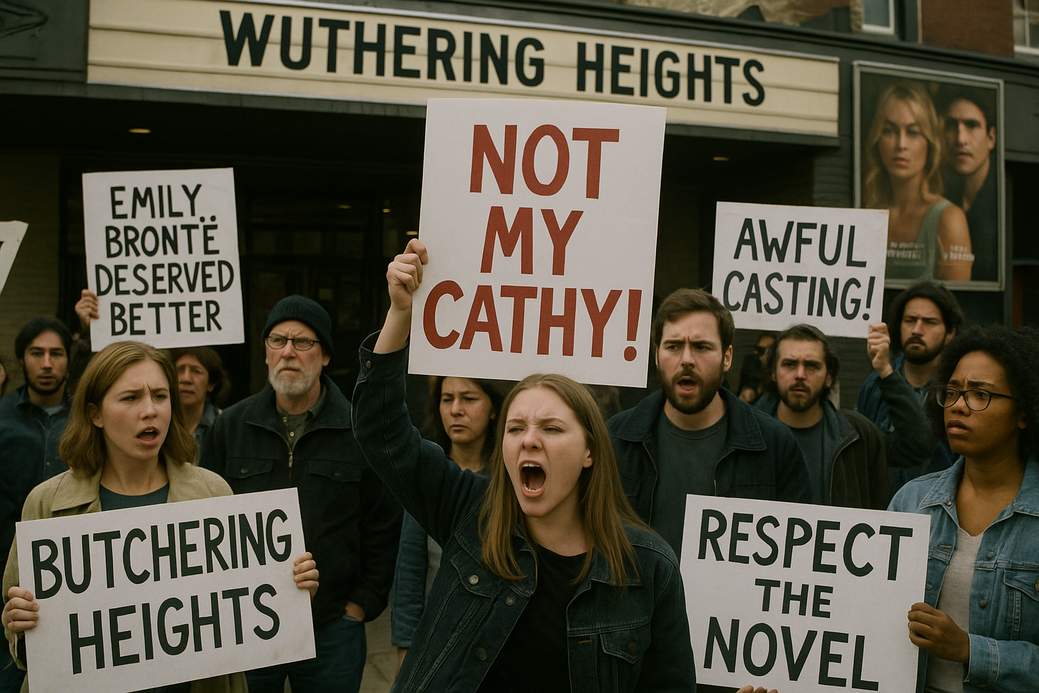
Some films quietly sneak into cinemas and whisper for attention. Emerald Fennell’s new take on Wuthering Heights arrived like a brass band in a library — loud, glittery, and guaranteed to annoy someone. From casting gossip to corset controversies, this adaptation has inspired more hot takes than a summer sausage roll stand.
Why everyone lost their minds
On paper: a fresh, modern spin on a Victorian romance. In practice: a social media bloodsport. People are mad for a few obvious reasons — a director known for flamboyant, divisive work; a trailer that moonwalks all over period decorum; and a fandom that treats Emily Brontë like a personal heirloom. Mix those together and you get an outrage cocktail with an extra lemon wedge.
The casting kerfuffle
Margot Robbie and Jacob Elordi as Cathy and Heathcliff set off the first fireworks. Fans noted age differences, hairstyles that don’t match the novel, and long-running debates about Heathcliff’s ethnicity. Some viewers saw the choices as harmless creative license; others read them as lazy whitewashing or a tone-deaf studio move. Either way, if casting had a PR department, it would be sweating under the lights.
Trailers, breadmaking, and the fish-finger moment
The teasers leaned hard into sexiness and shock: suggestive bread-kneading, corset tugging, and a bit of fish-mouth tomfoolery that made people do double-takes. Toss in a pop soundtrack and wedding-dress vibes that scream ‘1980s fashion show’ rather than ‘early 19th century moors,’ and you get a trailer that left traditionalists clutching their paperbacks and millennials clutching their irony.
Test screenings and ‘too much’ vibes
Early viewers reportedly felt the film traded subtle sorrow for loud shocks and salacious detours. That kind of feedback is catnip for commentators: if something feels like it’s chasing attention rather than emotion, pundits will happily pounce. Whether that judgment sticks with general audiences — or turns into cult adoration — remains to be seen.
Does the director’s background matter?
Part of the backlash is personal. Fennell is no anonymous auteur: she grew up in privileged circles and has a knack for glossy, upper-crust satire. That background makes some people suspicious that her work will be too cosy with the elite it lampoons. Critics say her films sometimes prefer sparkle over real bite, and that reputation hasn’t helped calm the storm around this adaptation.
Book lovers are not chill
Here’s the main engine of fury: Wuthering Heights has cult status. Folks read it as teens, marry it emotionally, and keep it in a sentimental pocket. When a beloved text is reimagined, passionate readers can feel personally provoked, like someone rearranging their living room without asking. So when a version of a classic deviates wildly — especially toward sex and spectacle — it gets taken as an affront to identity and memory.
The curious case of bad publicity
Ironically, all the shouting is doing the film a favor: people are talking. Every scathing thinkpiece and every outraged tweet is basically free marketing. Whether that chatter translates to box-office glory, amateur meme status, or long-term infamy depends on whether the film actually delivers something electrifying underneath the theatrical paint job.
So is it genius or garbage?
Responses are all over the map. Some early viewers swear it’s a bold new classic; others say it’s a flashy mess. Maybe it’s both — a melodramatic midnight favorite for some, a sacrilege for others. Art that divides often ends up remembered, even if not everyone likes it.
Final thoughts (with a wink)
In short: this Wuthering Heights walked into a room of people who love the book like a prized plant. It either trimmed the leaves to make it thrive — or accidentally chopped the bonsai. Either way, it got attention. And in Hollywood, attention is currency. So pop the popcorn, brace for more headlines, and prepare for heated debates at dinner parties for months to come.