What just happened?
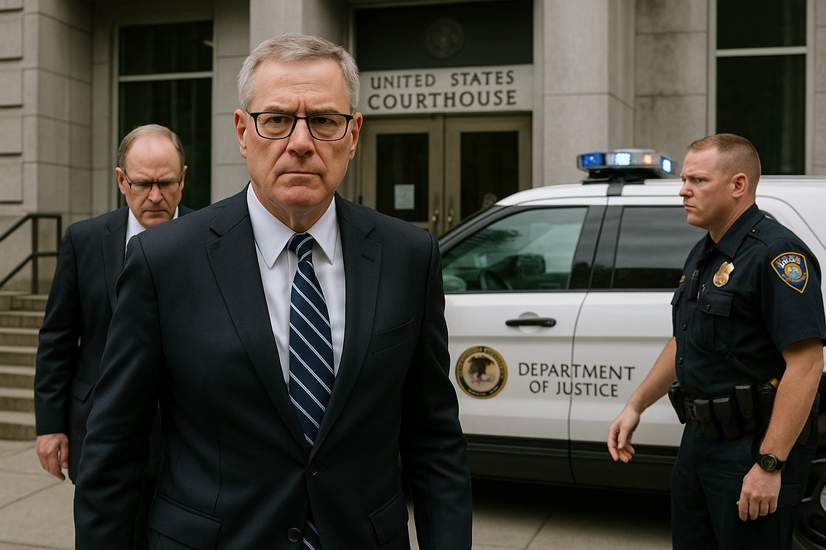
In a plot twist that would make a daytime soap opera jealous, federal judges in upstate New York picked a new top prosecutor, and the Justice Department promptly axed him hours later. The judges installed former prosecutor Donald T. Kinsella to run the U.S. attorney’s office in Albany, citing a law that lets courts temporarily fill vacancies. Not long after, the Deputy Attorney General announced Kinsella was out. Drama: peak level.
How we ended up in this courtroom soap
The trouble started when John Sarcone, who had been serving as the acting U.S. attorney, was ruled by a federal judge to be holding that position unlawfully. Normally an interim acting slot only runs for a fixed period. When Sarcone’s 120-day clock ran out, local judges declined to keep him on. The attorney general then named him to backfill the job in a roundabout way — first assistant, “special attorney,” that sort of legal hokey-pokey — which allowed the administration to keep him running the office. A judge later said none of that paperwork made it legal.
The judges strike back — and the Justice Department strikes back at the judges
When the judges used their authority to appoint Kinsella temporarily, it set off a very public clash. The Justice Department pushed back hard, asserting that U.S. attorneys are presidential appointments and pointing fingers at the Constitution’s appointment power. The Deputy Attorney General’s terse public message — basically a one-line dismissal — added extra spice to an already awkward constitutional skirmish.
This isn’t just Albany — it’s part of a bigger pattern
Albany is just the most recent stop on a nationwide tug-of-war. Several Trump administration interim or acting U.S. attorney picks in other districts have run into courtroom pushback, with judges ruling some of those appointments invalid. That has turned what would normally be routine staffing into a recurring legal headache for the Justice Department.
Real consequences — not just procedural theatrics
These disputes aren’t only about titles and pride; they have tangible effects on investigations and prosecutions. In this saga, a judge barred Sarcone from overseeing an inquiry into a state attorney general and tossed or quashed some subpoenas tied to that probe. In other districts, similar fights have even led to criminal cases being dismissed or top attorneys stepping away amid warnings from judges about using improper titles in court documents.
Why people are yelling
Critics say the administration is trying to sidestep the Senate confirmation process by keeping people in temporary roles. The Justice Department counters that the president and attorney general have the authority to appoint prosecutors and that political pushback is blocking nominees in the Senate. Either way, it looks messy, and the courts are not shy about calling out maneuvers they believe break vacancy laws.
Bottom line
Short version: judges broadly tried to fix what they saw as a legal gap, the Justice Department pushed back, and the result is a messy, public standoff that’s disrupting some investigations and raising constitutional questions. Tune in next episode — same courthouse, new drama.