Quick rundown (the elevator pitch)
Okay, picture this: a high-profile former head of state, a stack of legal bills, and a U.S. agency hitting the pause button on who foots the tab. That’s the short version — Venezuelan leader Nicolás Maduro’s legal team says the U.S. government prevented Venezuela from paying for his defense in a New York criminal case. Cue legal hair-pulling.
What actually happened (as reported)
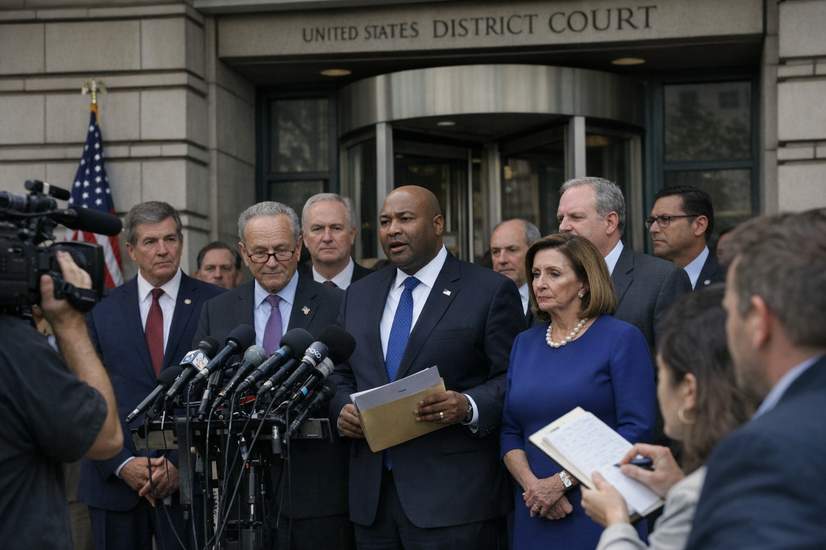
Maduro’s attorney says the Treasury Department’s sanctions office (you may know it as OFAC) initially signed off on Venezuela covering his lawyers’ fees. Then, within hours, that permission was reportedly yanked back without explanation — though a similar payment license for Maduro’s wife’s lawyers supposedly stayed in place. The lawyer formally told a Manhattan federal judge about this by email in late February.
The arrest and courtroom status
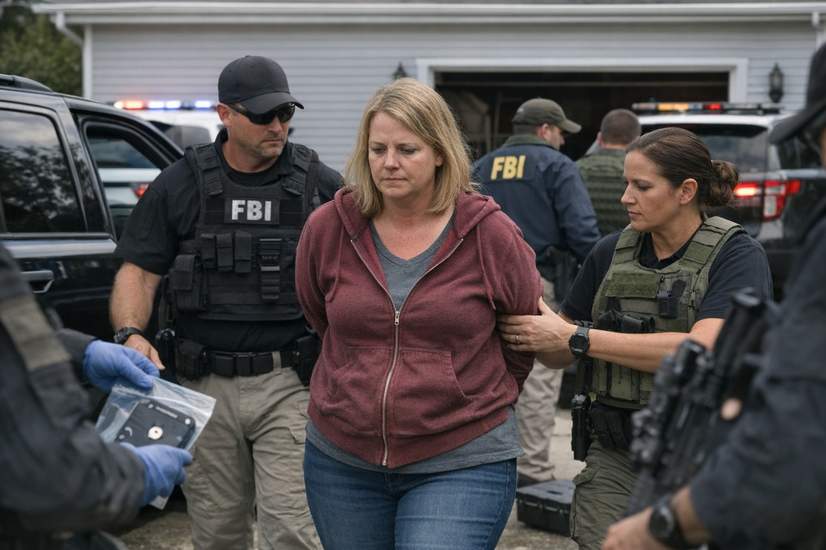
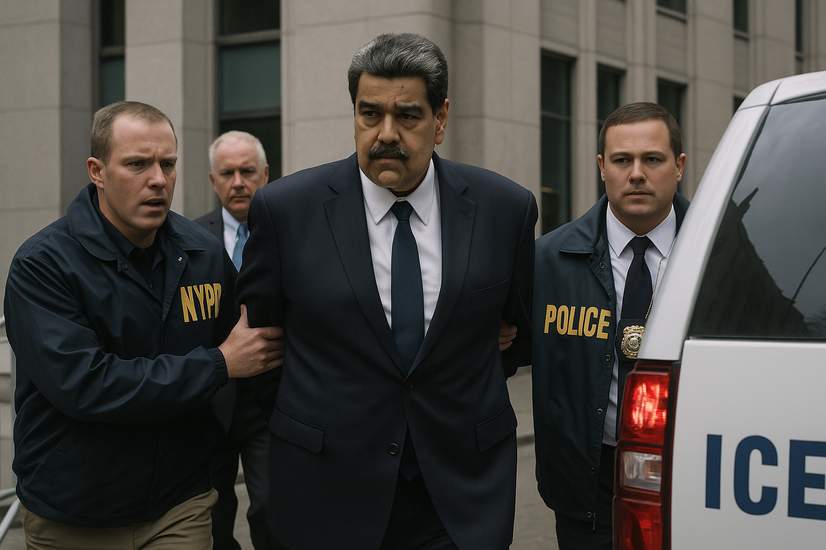
According to the filing, Maduro and his wife were seized in early January and have been held in New York without bail. Both have pleaded not guilty and are due back in federal court for further hearings. Their legal situation is tied up in criminal charges that carry extremely serious penalties if convictions happen.
Why the fee fight matters (beyond the money)
This isn’t just about who pays a lawyer — it’s about access to counsel. Maduro’s team argues that blocking those payments interferes with his Sixth Amendment right to choose and afford legal representation. In short: no lawyer money, no fair-fight defense, lots of constitutional eyebrow-raising.
The charges in the background
The indictment alleges involvement in a large-scale drug conspiracy, including moving cocaine into the United States and some violent acts connected to that alleged scheme. The document is long and severe in its allegations, and both defendants face life sentences if found guilty.
Politics, sanctions, and messy international plays
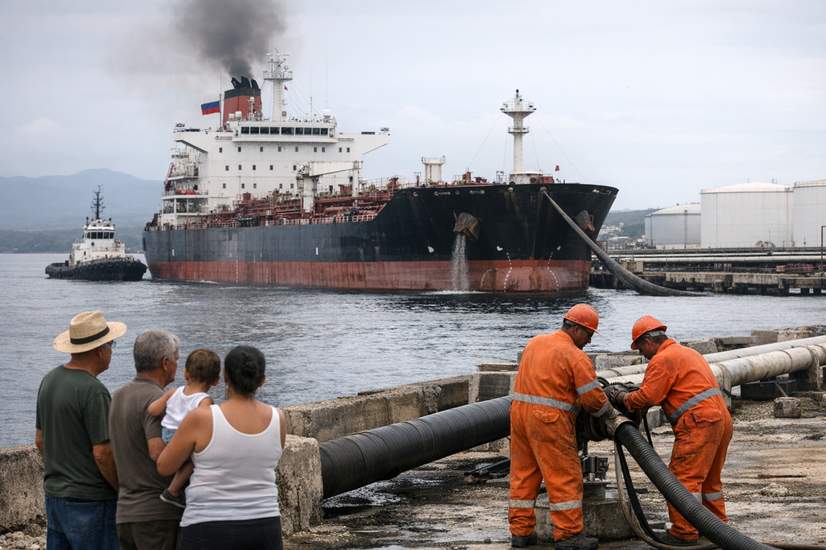
These legal maneuvers don’t exist in a vacuum. U.S. policy toward Venezuela has been rocky for years: the U.S. severed official ties with Maduro’s government in 2019 and recognized opposition leaders instead, a posture later administrations largely kept. That broader diplomatic posture affects sanctions, license approvals, and how much political pressure the U.S. can exert on whoever’s running Caracas right now.
Why this could get more complicated
If Venezuela’s acting leadership — shown in public reports to be more open to U.S. engagement — wants to pay the legal tab, that could muddy courtroom arguments. Prosecutors may use payment ties as part of their case or to counter claims that the arrest was unlawful or that Maduro has immunity as a foreign head of state.
Where things stand and what’s next
Maduro’s lawyer asked OFAC to reinstate the original license so Venezuela can meet what his side calls a legal obligation to pay defense fees. Government agencies haven’t publicly explained their reasoning yet. Meanwhile, hearings continue and the constitutional/foreign-policy questions will likely keep popping up every time the case hits the courtroom.
The TL;DR with a wink
Maduro’s legal saga is part court drama, part sanctions chess match, and part international soap opera. Whether it ends in courtroom fireworks or a quiet bureaucratic fix, it’s a reminder that in geopolitics and law, the money — and who controls it — sometimes matters more than the speeches.