Big Trouble on the Hardwood
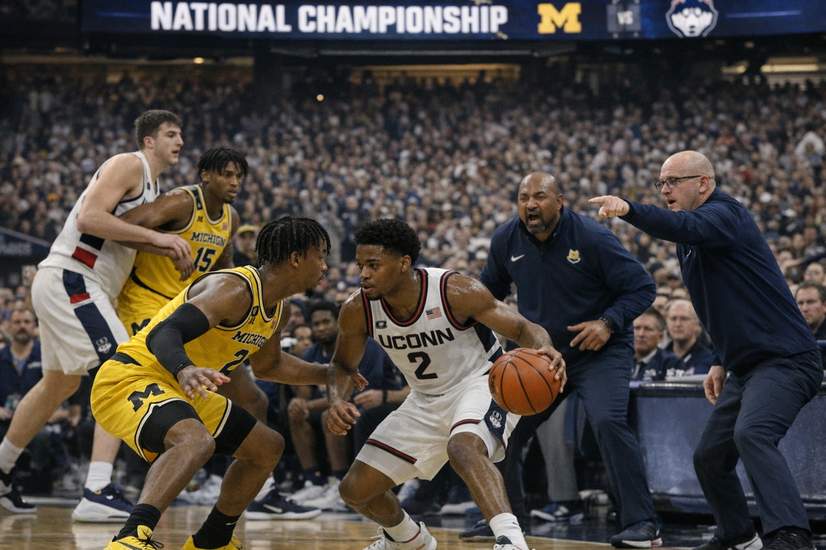
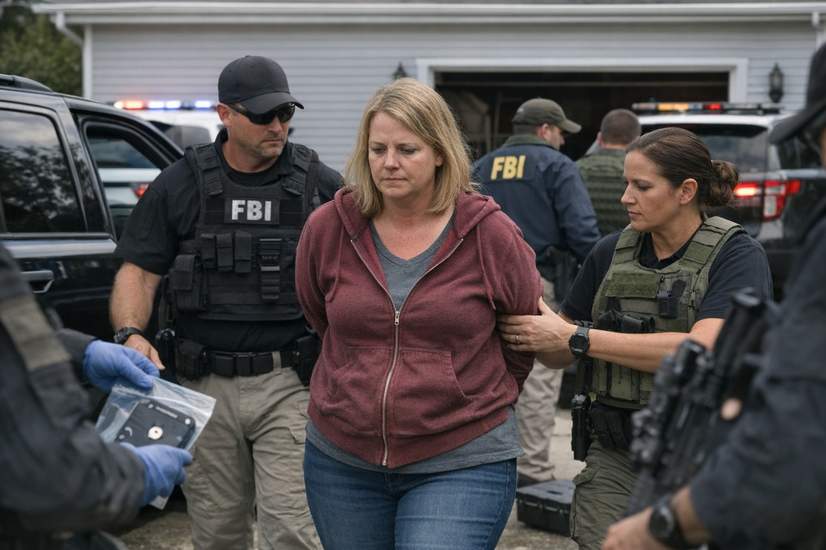
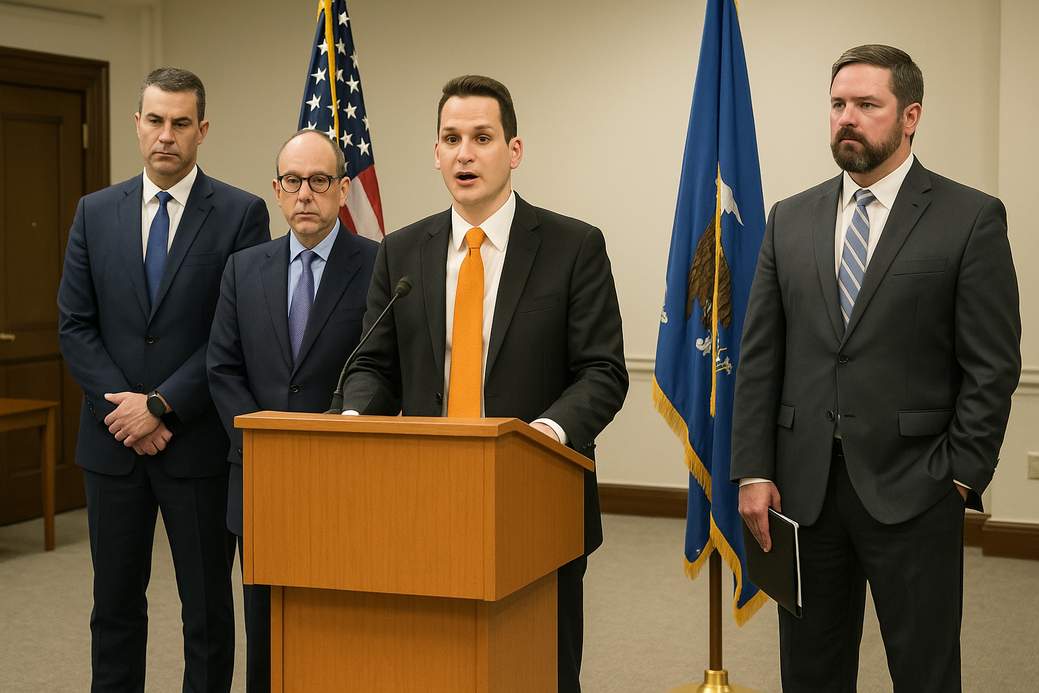
Federal prosecutors say a sprawling point-shaving conspiracy has hit college basketball like a rogue bounce. Authorities charged 26 people who allegedly recruited players to manipulate game scoring so bettors could cash in. The case reportedly touches dozens of players, multiple teams and even some overseas games — a mess that feels more like a crime drama than a sports beat.
How the Scheme Allegedly Worked (In Plain English)
Investigators say the basic play was simple: find a player who could influence a game, slip them cash, and nudge the final margin so gamblers would win their bets. Bribes were reportedly in the five-figure range per game. The goal wasn’t always to make a team lose — it was to make sure the score landed on the wrong side of the point spread.
The Scale: Numbers That Make You Blink
According to authorities, about 39 players across 17 Division I programs were allegedly involved and close to 29 games were either fixed or targeted. The timeline given spans from late 2022 into early 2025, and the operation allegedly even reached into a foreign pro league before focusing on the NCAA.
Who’s Said to Be Involved
The indictment names a mix of current and former college players, alumni and professional bettors — people described as well connected in the basketball world. Prosecutors allege some former players helped recruit active student-athletes. A few named figures from reporting around the case include former pro players and sports bettors, who are accused of helping move the scheme from overseas play to U.S. college games.
Teams and Games Mentioned
Investigators say games involving several Division I programs were affected. Schools named in reports include Abilene Christian, Alabama State, Butler, DePaul, Duquesne, East Carolina, Florida Atlantic, Fordham, Georgetown, Kennesaw State, Kent State, La Salle, McNeese State, Nicholls State, Ohio University, St. Louis University, St. John’s, SUNY Buffalo, Tulane and Western Michigan. Individual schools have issued statements ranging from cooperation to denials about player involvement.
Notable Details and Allegations
Prosecutors describe some bribes as roughly $10,000 to $30,000 per game. Some attempts allegedly failed — players didn’t cooperate or the on-court chaos didn’t go according to plan. Officials also say the conspiracy once included fixing games in the Chinese Basketball Association before shifting attention to college contests in the U.S.
How Schools and the NCAA Are Responding
Several universities say they will cooperate with authorities or noted no current players were named. The NCAA has reportedly opened or completed investigations into most of the teams highlighted. Expect internal reviews, interviews and potentially big ripple effects for programs that now face reputational headaches.
Why This Matters (Besides Being a Great Movie Pitch)
Beyond the headlines and the handshake conspiracies, point-shaving strikes at the basic trust fans place in sports. If players are allegedly being paid to alter outcomes, it undermines competition, costs honest bettors and drags colleges into criminal investigations. The legal fallout could be significant for those charged and disruptive for programs tied to the allegations.
Final Whistle
This investigation is still unfolding, and many of the claims are allegations that will need to be proven in court. For now, college basketball fans, school officials and federal agents are all watching closely — and hoping the only dramas left on the court involve buzzer-beaters and underdog runs, not payoffs and point spreads.