Intro: Why cynicism feels smart (but sometimes isn’t)
So you’ve got a cynical streak — congratulations, you’re emotionally prepared for the apocalypse and unreadable email subject lines. But being permanently suspicious isn’t a superpower. It can leave you lonely, annoyed, and no better at spotting phonies than your sunnier friends. Let’s untangle why assuming everyone’s out to trick you might not be the lifehack you hoped for.
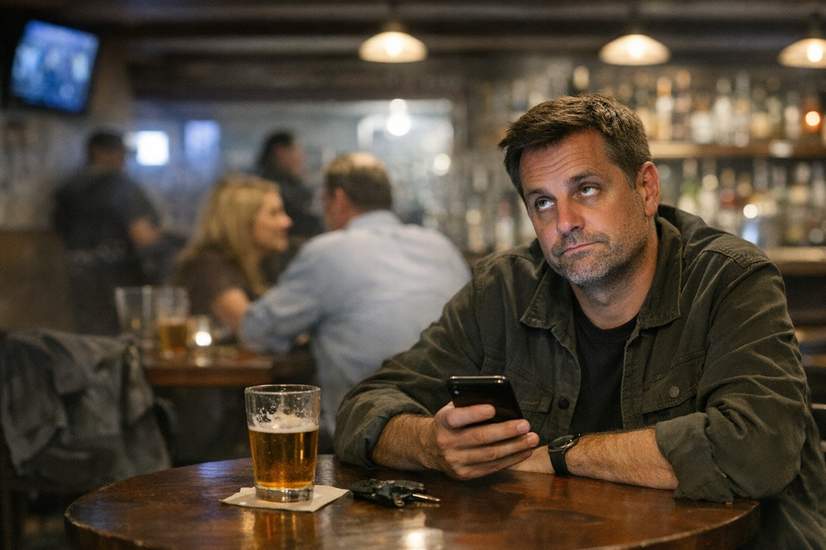
Picture this: you meet someone new, plans are made, you show up to the bar, drink in hand, and they ghost you. Half an hour later you get a message: “Sorry, family emergency — can we reschedule?” Do you roll your eyes and cancel them forever, or do you offer sympathy and try again? Your knee-jerk answer reveals a lot about how you navigate the human jungle.
Detecting lies (spoiler: it’s messy)
Humans aren’t built-in lie detectors. Psychologists who measure how much people generally trust others found that being suspicious doesn’t actually help you spot lies. Most of us suffer from “truth bias” — we naturally assume others are telling it straight until proven otherwise. That means the hyper-skeptics and the optimists tend to make the same mistakes when judging who’s fibbing.
Why? Because the signals people give off when lying are wildly inconsistent. One person avoids eye contact when lying, another nails the poker face and fidgets when they’re telling the truth. Your “tell” is not mine, so reading expressions and body language usually leads to entertaining but unreliable conclusions.
Scam awareness: Look for the obvious red flags
Scams are a different breed. They’re not about subtle facial twitches; they’re about glaring cues like “I’m a prince who needs your bank details” and suspicious email addresses made of digits. Research shows that whether someone falls for scams correlates more with their ability to notice these warning signs than with their overall trust in people.
In short: you can be a kind-hearted optimist and still dodge con artists by paying attention to basic clues. Trust people, but verify the email header, the URL, and any offers that sound like they belong in a fantasy novel.
Feeling inspired doesn’t make you stupid
Here’s a fun twist: watching someone do something unbelievably kind — the sort of thing that makes you go “aww” and want to be a better human — doesn’t make you gullible. In fact, it can sharpen your antennae. People who feel uplifted by witnessing generosity often become more thoughtful about others’ motives, not less. That warm, fuzzy feeling can lead to smarter social judgments, not blind faith.
The trust loop: how expectations shape behavior
Believe it or not, expecting people to be decent can actually bring out the best in them. Treating someone with trust often nudges them to act more trustworthy in return. Conversely, assuming the worst can push people into matching that cold energy—which then “proves” your cynicism right. It’s a social boomerang.
In simple experiments where people could transfer money or favors, those who started from a place of trust tended to trigger more cooperative behavior from others. The takeaway? Attitude isn’t just a private mood — it steers how interactions play out.
Healing after being burned (practical and not painful)
If you’ve been hoodwinked, go easy on yourself. You don’t have to become a wide-eyed gullible doormat to recover. Try these small moves: ask a friend for a second opinion on shady offers, test trust in tiny increments (meet for coffee before handing over anything important), and practice suspending immediate judgment for a day before deciding someone is irredeemable.
Over time, a few small wins — like giving someone a second chance and seeing them show up — can chip away at that rusty cynicism and build a sturdier, less brittle kind of trust. You’ll still keep your guard against obvious scams, but you might stop missing out on decent people because you assumed the worst.
Wrap-up: Be cautiously open
Here’s the short version: cynicism won’t make you immune to lies, but a little common sense will help you avoid scams. Meanwhile, choosing to trust more often (carefully) can improve your social life and even encourage better behavior from others. It’s less about slamming the emotional drawbridge and more about installing a sensible gatekeeper.
So next time your date is late, perhaps don’t storm off to join a hermit colony just yet — give them one reschedule and see how it goes. You might save yourself a bitter story and gain a friend. Or at least a slightly better cocktail partner.