For decades Hollywood treated female actors like a perishable good: blink and you might miss your chance at glory. Lately, though, the Oscars have been handing out trophies to women later in life — and people are asking whether the industry is finally getting less ageist or just changing the rules of the game.
What’s actually changing on the scoreboard
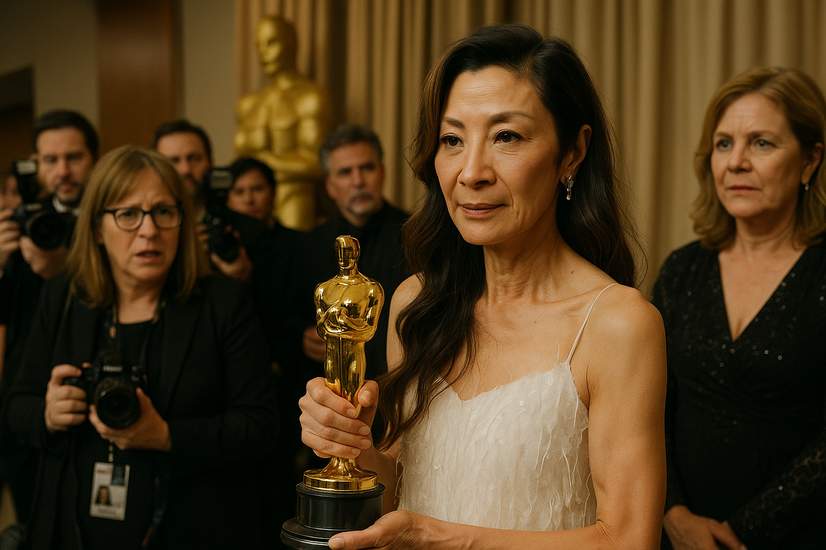
There are real numbers behind the headlines. The average age of Best Actress nominees has crept up over many decades — think late-20s in the 1940s, late-30s by the 1970s and around 40 in the 2000s. These days the average is farther north. Recent winners and nominees include veterans and mid-career stars alike: Michelle Yeoh won Best Actress at 60, Frances McDormand took a prize in her 60s, Renée Zellweger won in her 50s, and Jessica Chastain earned recognition in her mid-40s. Meanwhile, older nominees like Annette Bening, Fernanda Torres and Demi Moore have been in the conversation, even if sometimes the trophy went to a much younger rival.
Why the awards are skewing older
Several forces are nudging the Academy toward recognizing more mature performances. First, the kinds of films that win awards have shifted away from blockbuster glitz toward smaller, character-driven stories where experience and nuance matter. Those projects often cast actors who bring decades of craft to a role.
Second, there are more women behind the camera and on the page now. Female directors and writers often create stories with complex, older women at the centre. That change isn’t huge overnight, but its ripple effects are noticeable: when women run the creative show, you tend to see more older women in leading parts.
Third, the Academy itself is more international and more diverse than it used to be. That broadening means different cultural attitudes about age and storytelling get represented in voting, and world cinema with mature female leads is getting more attention than it once did.
So is Hollywood fixed? Not even close
If the Oscars feel like progress, much of mainstream Hollywood still tells a different story. Studies of the biggest-grossing American films show the average age for female leads is still in the mid-30s, and the average male lead is significantly older. Big commercial pictures keep favouring younger women while men thrive into their 40s, 50s and beyond.
Numbers get sharper and sadder the deeper you dig: in top box-office films of recent years there were very few women over 45 in lead roles, and almost no major female characters over 60. By comparison, men over 60 appear several times more often. Writing rooms are also skewed young and male — only a small slice of mainstream screenplays are written by women over 40 — which affects which stories even get green-lit.
Who’s pushing the needle
Activism and visibility campaigns of the past decade helped nudge the film world. Movements calling out bias and inequality put pressure on studios, awards bodies and audiences to widen their appetites. Add to that a cadre of high-profile directors and producers who value experienced actresses, and you get more films built around older women.
That doesn’t mean every older actress suddenly has endless choices — the gains tend to cluster around a limited group of recognizable names. Veteran stars who’ve built long careers can still attract projects and creative teams. But for every high-profile win there are countless talented actresses who remain invisible to big-studio casting lists.
What still needs to happen
Real change will mean older women show up in all kinds of films, not just art-house prestige pieces. The industry needs more female writers, directors and decision-makers who can create and champion stories featuring women across every stage of life. Casting diversity should expand beyond a small handful of famous faces so that older actresses of different backgrounds regularly headline mainstream films.
And the public plays a role too: audiences who watch and support movies with older women at the centre send a clear message — that these stories sell and matter. Until that is consistent, awards will offer hopeful signs, but the wider ecosystem will keep lagging.
The take-home (with a chuckle)
Yes, the Oscars have started giving more gold to women who’ve been around the block a few times. That’s worth celebrating — it suggests the industry can reward experience, not just baby-faced novelty. But don’t break out the confetti cannon just yet. Outside the award bubble, casting stats, writers’ rooms and box-office choices still privilege youth. Progress is real and welcome, but it’s slow, messy and very much a work in progress.
So take Michelle Yeoh’s win, and others like it, as a bright sign: the door is opening a little wider. Now let’s shove more chairs in, bring more voices in, and maybe put a few stairlifts down the red carpet while we’re at it.