Intro: Why I’m stalking the daylight
I’m not what you’d call a champion sleeper. I can count the number of truly peaceful nights on one hand — the rest are filled with eye-mask shuffles and the siren call of my phone. Yet despite my nocturnal mediocrity, I’ve tried sleeping in the oddest places: Scottish sleet, soggy festival fields, islands where everything smells faintly of seaweed. Spoiler: the ground was usually hard and sleep was patchy.
Why sleeping outside actually helps
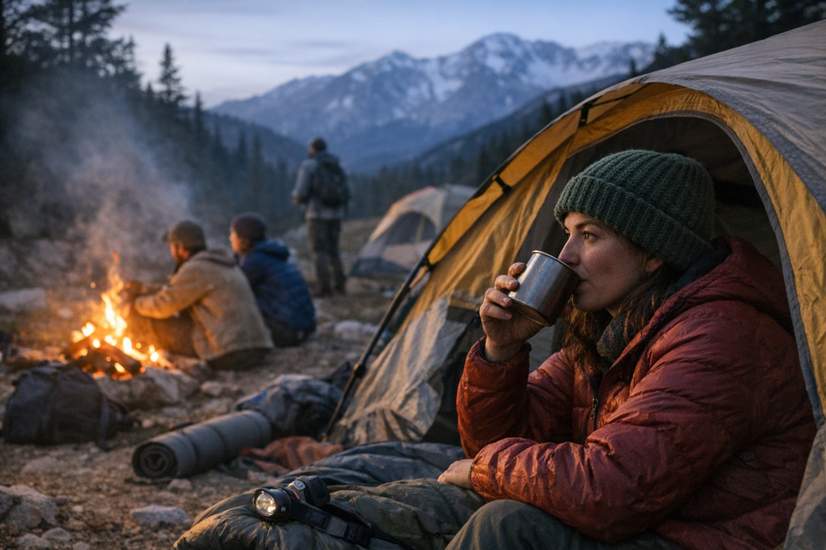
Turns out those rough nights might still be worth it. Scientists studying sleep say that stepping outside and hiding from our glowing gadgets can nudge our internal clock back toward a more natural schedule. A team led by Kenneth Wright at the University of Colorado Boulder took volunteers into the Rockies for a week with no phones or torches and lots more daylight than usual. By testing saliva for melatonin — the hormone that signals “night” to your body — they found campers’ internal night moved earlier, by roughly a couple of hours. In plain English: camping can help your brain remember when night and day are supposed to be.
That shift matters because being chronically out of sync with natural light is linked to a bunch of health headaches: mood issues, metabolic trouble, and heart risks are all more common in people whose sleep timing is pushed late. So if you’re habitually hitting the sack at 2 a.m. because a Netflix cliffhanger betrayed you, a weekend under canvas might be the rude but gentle reset you need.
The human side: hikers, campers and better mornings
People who regularly chase mountains say the same thing. Ella Hewton, community manager at the women’s outdoor group Love Her Wild, swears by nights with no artificial light — just a campfire, blankets and the kind of darkness you can taste. She says mornings feel brighter and more energized even if she woke once or twice during the night to tend the fire. Wright’s team even ran winter trips where campers ended up getting more total sleep than they did at home, and their biological nights (aka melatonin release windows) lengthened in response to shorter, darker days — proof humans still react to seasonal light cycles.
Nature’s soundtrack: surprisingly soporific
It’s not only light. The outside brings a soundtrack that many people find calming: rain, leaves, waves, insects, and yes, the occasional thunder rumble. A survey by the UK Camping and Caravanning Club found more than half of campers would recommend sleeping outdoors to people who struggle with sleep, and about a quarter said they actually sleep better under canvas than in their own beds. Some folks even seek out thunder sounds on YouTube to fall asleep — tomato, tomahto.
How to actually sleep better outside (without becoming a hypothermic beanbag)
If you’re new to this, the first couple of nights can feel odd — unfamiliar creaks and critters keep you on alert. But you usually adapt. Practical tips: don’t pitch directly under a tree (drips and falling branches are a thing), invest in decent insulation between you and the ground, and get a proper sleeping pad. If cost is a worry, check second-hand tent options or borrow from a gear library; camping doesn’t have to cost the earth.
If you can’t camp, fake the good bits
Not everyone can spend weekends in the wild, and that’s OK. You can still mimic the benefits by managing indoor light: crank up bright, bluer light during the day and switch to warmer, red-tinted bulbs in the evening. Dim screens, use night modes, and give yourself a couple of hours of lower light before bed. It won’t replace river-scented dawns, but it helps your brain know when to wind down.
Final thought: pitch a tent or just dim the lights
So yes, my tent may have been sulking in the back of a cupboard, but the evidence (and a chorus of enthusiastic campers) is nudging me to resurrect it. Whether you book a weekend away or simply turn the house lights down earlier, giving your brain a break from artificial night might be the easiest life-hack for better mornings. If a chorus of birds can gently yank me out of bed instead of the blaring alarm, I’ll call it a win.