Case snapshot
After nearly 60 years of questions, police in London, Ontario have named the person authorities say was responsible for the 1968 killing of 16-year-old Jacqueline “Jacky” Dunleavy. The suspect, Michael Joseph Moore, who died in 2018, was identified thanks to modern DNA sleuthing that tied together decades-old evidence and family trees.
The night it happened
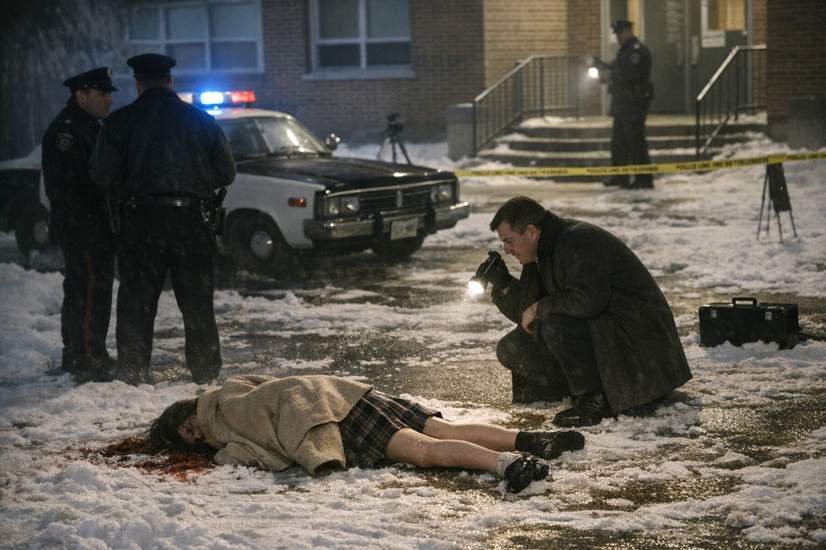
Jacky was a high school sophomore who was last seen on the evening of Jan. 9, 1968, leaving her job at a local variety store. Roughly an hour and a half later she was found at a nearby school with a head injury; investigators later concluded the cause of death was strangulation. The case went cold despite extensive efforts at the time.
How investigators finally connected the dots
Evidence preserved from the original investigation was reexamined using specialized DNA testing by a Texas laboratory. Combining that forensic DNA work with genetic genealogy — building family trees from DNA matches — allowed investigators to narrow in on Moore. Follow-up interviews, new evidence and comparison DNA samples led police to conclude he was the person responsible.
Who police say the suspect was
Authorities say Moore was about 25 years old when Jacky was killed. He had emigrated from Ireland in 1967 and later served a long career as a firefighter in Canada, retiring after 28 years and holding the rank of captain at retirement. Moore passed away in 2018; police said that had he been alive today he would have been arrested and charged.
Family and community reaction
Jacky’s relatives publicly thanked law enforcement for the work that led to the identification and said they hope the result brings some closure. Moore’s family said they were stunned by the findings and expressed a desire that the answers help Jackie’s family move forward.
Why this case matters
Investigators noted that the original team did everything possible with the tools they had in 1968, and that careful evidence preservation made the later breakthrough possible. The case is another example of how genetic genealogy is giving cold cases a second chance at answers — a high-tech way of letting long-paused investigations pick up where they left off.