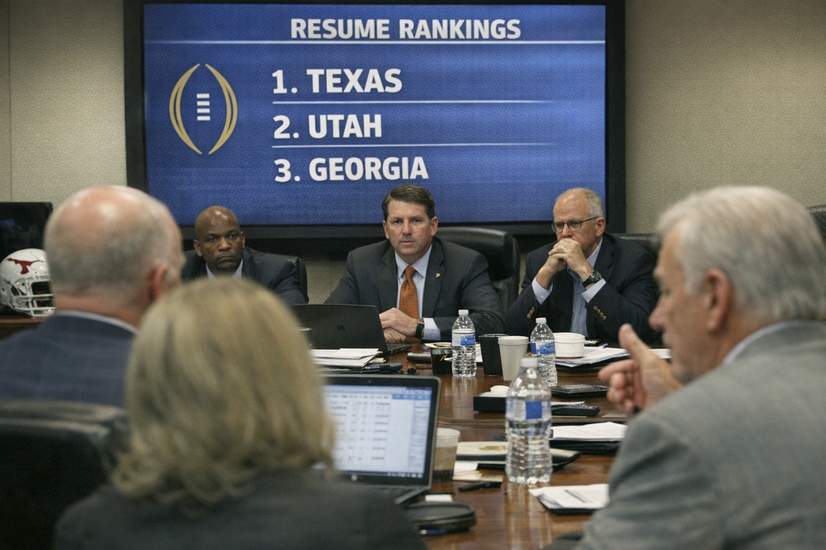
Quick take: Wait, Texas is No. 1?
Yep. Grab your popcorn. The committee put two-loss Texas on top of the resume rankings ahead of Utah and Georgia, and yes, it raises eyebrows. But before you start a furious group chat or draft a strongly worded tweet, let’s break down the why in plain, slightly snarky English.
What the resume rankings are actually judging
Think of the resume as the committee’s report card on how good and how credible each team looks for the playoff. It’s not just who has the prettiest record — it’s about quality wins, losses, strength of schedule, how recent the losses were, and whether a team demolished its conference like a wrecking ball. Resume = a blend of objective facts and subjective vibes. Yes, vibes matter. Welcome to college football politics.
Key reasons Texas outranked Utah and Georgia
Short version: Texas checks more of the committee’s boxes. The Longhorns beat strong opponents, have a higher overall strength of schedule, and finished their season in a way that looks impressive on paper. Even with two losses, those losses were either close, early, or explainable — the kind that don’t make the voters recoil.
Quality wins > perfect record against soft competition
One big metric is quality wins. If you beat teams that are actually good, that carries a lot of weight. Texas collected signature victories against highly regarded opponents, which tells the committee, “These guys can hang with the best.” Meanwhile, a team with fewer marquee wins but fewer losses might still look weaker in comparison.
Strength of schedule and conference clout
Playing in a tougher conference and beating tougher teams helps. Texas’ schedule had more gauntlet-style matchups than some alternatives, and the committee likes teams that survive the valley of death week after week. Conference championships and the general perceived strength of your league also factor in — it’s easier to impress when your weekly opponents aren’t handing you cupcakes.
Timing and nature of the losses
Not all losses are created equal. An early-season slip or a last-second heartbreak can be forgiven if you look like a different (better) team the rest of the year. The committee tends to be kinder to teams whose losses are explainable — injuries, close calls, or growing pains — than to teams that stumble late or get blown out.
Why Utah and Georgia fell behind
Neither Utah nor Georgia are slouches, but the committee weighs their entire resumes and compares them head-to-head with Texas. Maybe their schedules didn’t feature as many top-tier wins, or maybe their losses (timing or manner) were less forgivable. Sometimes it’s as simple as the committee thinking Texas’ overall body of work looked more consistent and convincing.
What this means going forward
Resume rankings aren’t final exam answers — they’re progress reports. Being No. 1 here improves Texas’ narrative heading into selection, but the actual playoff spots still depend on the full committee deliberation. Expect debates, highlight reels, and maybe a few angry emojis from rival fanbases.
Bottom line (with a wink)
Two losses, one lofty ranking. College football is weird, beautiful, and mercilessly subjective. Texas grabbed attention with solid wins and a resume that looked polished even with blemishes. Whether you agree or not, the committee’s logic is at least defensible — and the chaos is what makes March (and December) so much fun. Bring the popcorn, again.