Intro: Iron isn’t just about steak
Ferment it, boil it, or squeeze a lemon on it — weird little tricks can make a big difference to how much iron your body actually grabs from food. If you grew up on the myth that spinach alone will turn you into Popeye, welcome to the spinach reality check.
Why iron matters (and how you might notice it’s low)
Iron is the backstage MVP of the body: it helps make haemoglobin, which ships oxygen around so you don’t feel like a deflated balloon. Low iron is really common, especially among kids and people who menstruate. If you’re often wiped out, breathless after climbing stairs or generally meh, iron could be a suspect.
Two kinds of iron — and why plants need a little help
There are two types of dietary iron: heme (from meat and fish) and non-heme (from plants). Heme is much easier for your body to use; non-heme can be a bit stubborn. That doesn’t mean plant-based diets are doomed — it just means you may need to be strategic.
How much do you actually need?
General daily targets are roughly: men 19+ about 8.7 mg, women 19–49 about 14.8 mg (people with heavier bleeding may need more), and women 50+ about 8.7 mg. Keep in mind you only absorb a fraction of what you eat, so food choices and combos matter.
1. Boil some greens, steam the rest
Not all leafy greens behave the same. Spinach, chard and beet greens contain oxalates that like to lock onto iron and hide it from your digestive system. A quick boil can leach some of those blockers out and free up more usable iron. Meanwhile, gentler greens (lettuce, cabbage, bok choy) keep more vitamin C when eaten raw or lightly steamed, which helps iron absorption — so mix up the techniques.
2. Pair iron foods with vitamin C — superhero combo
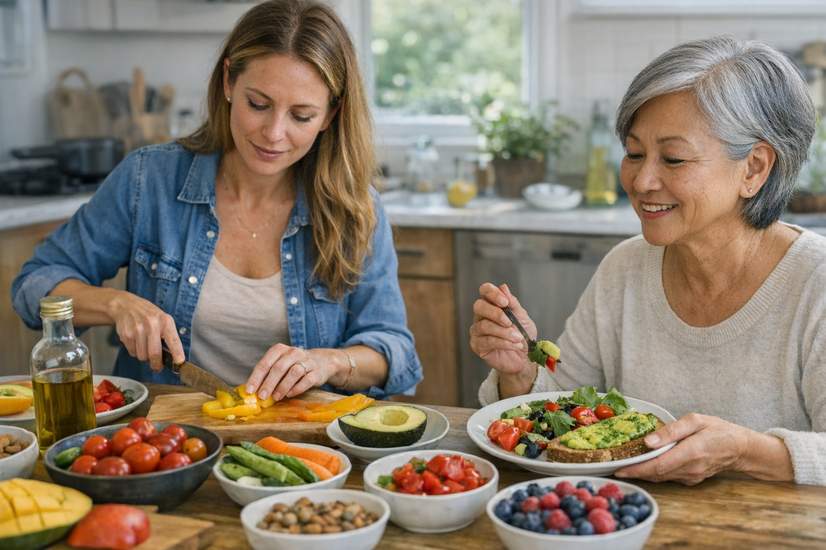
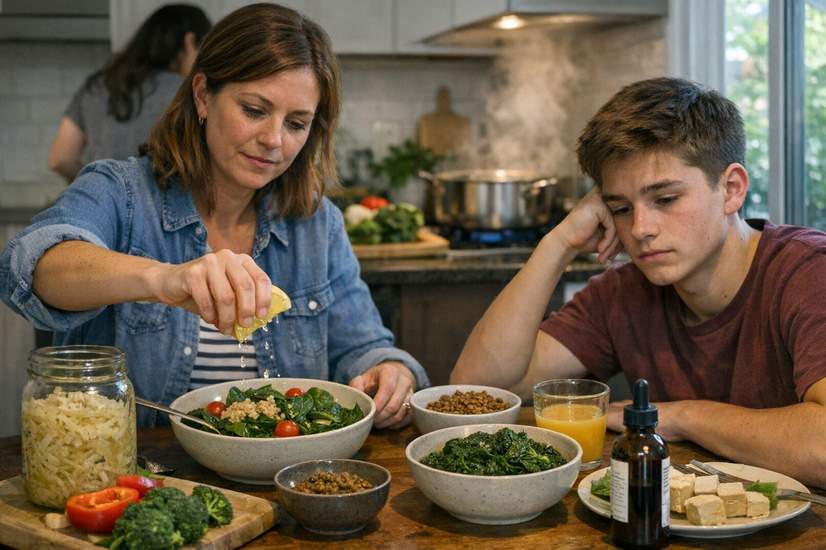
Vitamin C is basically an iron sidekick. Add citrus, bell pepper, strawberries or a splash of orange juice to a meal and your body will happily absorb more of the iron from plant foods. Squeeze lemon on beans, toss fruit into your morning porridge, or keep a cheeky pepper on your plate.
3. Embrace fermentation (yes, sourdough is helpful)
Grains, nuts and seeds contain phytic acid, which can gum up iron absorption. Fermentation — think sourdough, kimchi or well-made yogurt-style ferments — breaks down some of that phytic acid, making the nutrients easier to access. Swapping regular bread for sourdough is a small switch with potential payoff.
4. Don’t assume fortified = fully functional
Many cereals and breads are topped up with iron, but manufacturers often use forms that are stable on the shelf rather than easy for our bodies to use. Fortified products can help, but they’re not a guaranteed solution — whole food strategies and the tips above still matter.
5. Watch what you drink with meals
Coffee and tea are delicious but contain tannins and polyphenols that can interfere with iron uptake. If you love your cuppa, try having it at least a couple of hours before or after an iron-rich meal. Also be mindful of very high-fibre smoothies or nut-heavy sides at mealtime, as some compounds there can reduce absorption too.
Quick food snapshots (iron per 100g, approximate)
Plant pals like legumes, dark greens and seeds are decent iron sources — for example, chickpeas and tofu have iron, sunflower seeds are a nice concentrated source, and certain dried fruits also contribute. Red meat contains heme iron, but many plant-based combos using the tips above can get you where you need to go.
Eat often, but don’t overload at once
Because your body regulates iron uptake, you often absorb more when you spread iron-containing foods across the day rather than piling it all into one meal. Small, regular servings plus absorption-boosting pairings are an easy strategy.
Thinking about supplements?
If you suspect you’re low, get checked and talk to a clinician before starting supplements. Too much iron can cause problems, and a professional can recommend the right dose if you need it.
Final bite-size takeaways
Simple tricks — boiling certain greens, adding vitamin C, eating fermented grains, being cautious with fortified-only strategies and timing your drinks — can make plant-based iron work much harder for you. Little changes, big difference. Now go forth and iron-smart your plate (and maybe keep the tea for later).