Quick snapshot
Georgia DOT says its big I-285/I-20 West project is moving faster than planned — roughly two months ahead — and aims to have most major work wrapped up by 2030, with one related repaving effort due around 2028. Translation: lots of heavy machinery, a few detours, and a timeline that feels both long and oddly optimistic.
What they’re actually changing
The focus is safety-first. GDOT is reworking the interchange to eliminate left-hand exits (you know, the ones that sneak up on you like a bad surprise party) and replace them with right-hand exits and smoother flyover ramps. One big change is a new flyover taking traffic from I-20 West to I-285 South so drivers — and giant freight trucks — can make transitions with fewer drama-filled lane changes.
Construction work you’ll notice
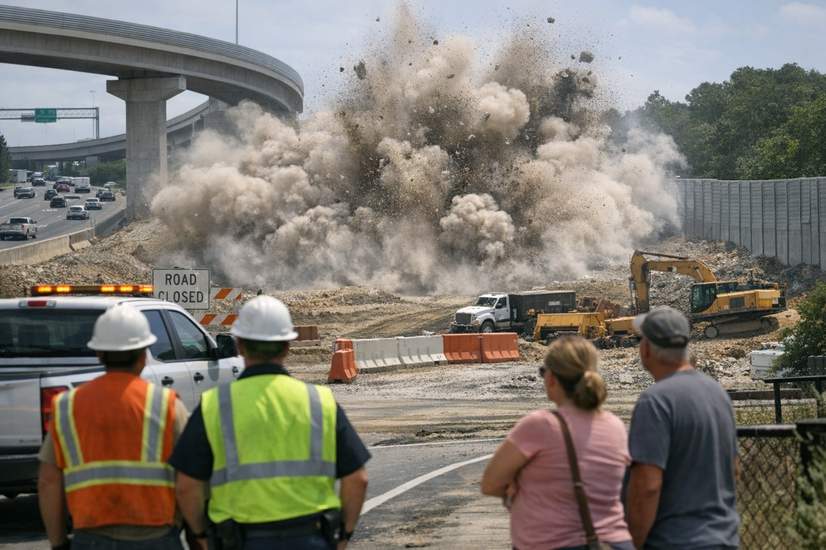
Expect utility relocations, fresh sound walls, and some daytime blasting in specific spots (done for safety and noise mitigation, they say). The agency also plans to open interim improvements as sections are ready, so not everything is on hold until the final ribbon-cutting parade.
Neighborhood headaches
Local residents have raised real concerns: truck detours are beating up side streets, leaving litter, and generally making life messier for people who live nearby. Folks are tired of meetings and lip service — they want visible fixes and safeguards so their neighborhoods don’t pay the construction toll.
Residents’ frustration boiled down
Some community members feel the westside isn’t getting the same attention or investment as other parts of town. They want more action and accountability, not promises. In short: meetings are fine, but patching potholes and stopping detour damage would be even better.
Dollar signs and GDOT’s pitch
GDOT frames this as a major investment in Atlanta’s westside: about $1.25 billion for the I-285/I-20 West Interchange and roughly $370 million more for the larger I-285 Westside rebuild — a multi-mile repave and upgrade. The agency also points to future Westside express lane plans that could represent billions more. Their message: this is a long-term commitment to safety, mobility, and freight reliability.
What to expect next
Work will continue with intermittent openings as pieces finish. GDOT says it wants people to reach out with concerns, and it’s promising to address community impacts — though residents want clearer accountability and faster results on neighborhood repairs.
Bottom line
If you live or drive on Atlanta’s westside, expect construction noise, fewer left-hand scares on the highway, and a messy-but-aimed-at-better stretch of road when it’s all done. Keep an eye out for interim openings, ask your local reps for timelines, and maybe invest in a good pair of earplugs for those daytime blasts.