Quick Take
Frank Serpico was the square peg in a very crooked hole: an idealistic New York cop who refused to join the pay-for-protection party. His story of standing up to graft, surviving a near-fatal shooting and becoming the face of a citywide scandal inspired a famous movie — and a whole lot of awkward conversations at police roll call.
Who Was Frank Serpico?
Born to Italian immigrant parents, Serpico joined the NYPD in 1959 and drifted into plain-clothes work a few years later. Unlike the suits who liked to keep the status quo, he was a free spirit — stubborn, principled and not great at playing the office politics game. That made him unpopular in a department where many pockets were already lined.
Finding the Rot
Serpico quickly noticed something unpleasant: bribes, small and large, were basically plumbing in the system. Officers could quietly skim cash from gambling operations and take regular payoffs from various shady businesses. The corruption wasn’t just a few bad apples — it was a pattern that often involved supervisors taking their cut.
Whistleblowing and Getting Shunned
He tried to raise concerns with his bosses, and the reward for honesty was ridicule, threats and being iced out. He teamed up with another straight-arrow cop, and eventually they went public. When the city’s newspapers ran the exposés, the scandal exploded: an official inquiry was launched, but Serpico was still out there on the beat, not exactly a welcome sight among colleagues who preferred things quiet.
The Raid, the Bullet, and the Betrayal
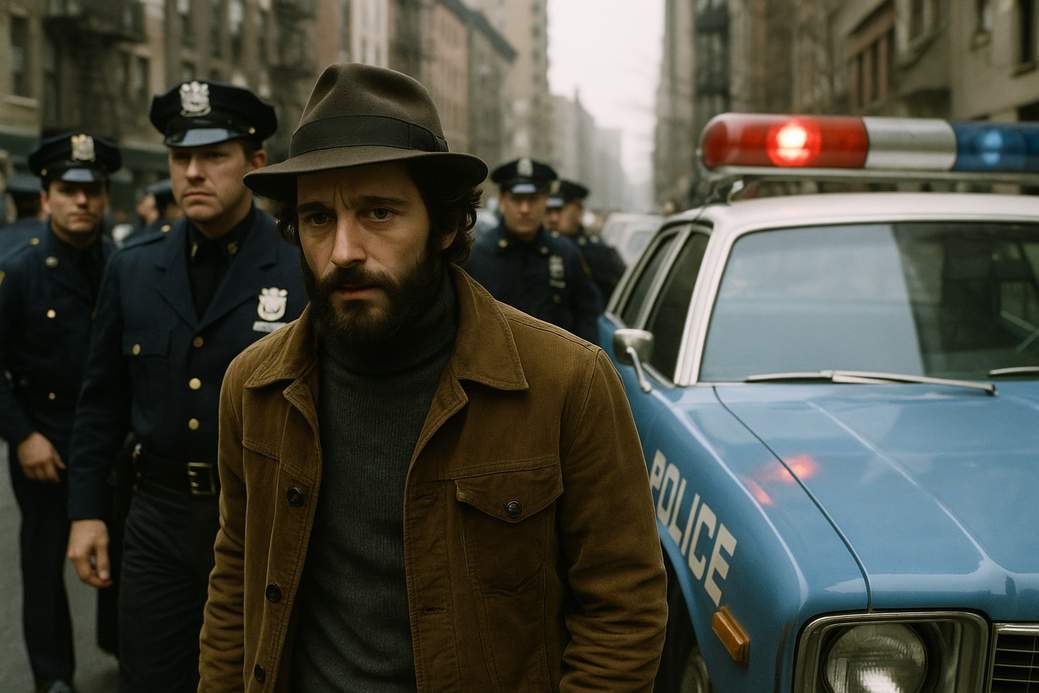
In early 1971, while working narcotics, Serpico joined a sting in a Brooklyn apartment. He pushed through a door to make an arrest and was shot in the face. The worst part wasn’t just the wound — it was the way fellow officers handled the aftermath. Accounts from the time describe delays and a lack of clear help that felt like abandonment more than coordination.
A City’s Dirty Laundry: The Commission
The public shock triggered a formal investigation that peeled back layers of corruption. The inquiry found a range of behaviors, from officers who took small, regular gratuities to those who aggressively shook down people for big payoffs. The message that there weren’t just a couple of rotten apples but a systemic problem forced police leaders and city hall to confront an ugly truth.
From Scandal to Silver Screen
Serpico’s life — equal parts brave and exasperating — made for a blockbuster. In 1973, a movie based on the story put Al Pacino in the lead and turned Serpico into a household name. The film captured the sense of lone-horse honesty rubbing up against institutional murk, and it cemented the real cop’s place in pop culture.
Legacy (and a Little Bit of Poetry)
Serpico didn’t stick around the force forever — the toll of being ostracised and wounded pushed him away — but his stand helped change the conversation about police corruption. The pushback opened the door for reform and for more people to speak up without being immediately silenced. In other words: he moved the needle from “ignore and pretend” toward “hold people accountable.”
Why This Still Matters
This isn’t just a retro crime story. It’s a reminder that institutions can rot from the inside and that a few stubborn people can force sunlight into a dark room. And if you like film trivia, bonus: a moody Al Pacino helped turn a messy civil fight into a classic movie — but the real-life hero paid most of the price.
Final Thought
Serpico’s message was simple and a little subversive: make the crooked cop fear the honest one. It sounds idealistic — because it is — but it’s also the kind of idea that makes change happen when enough people stop shrugging.