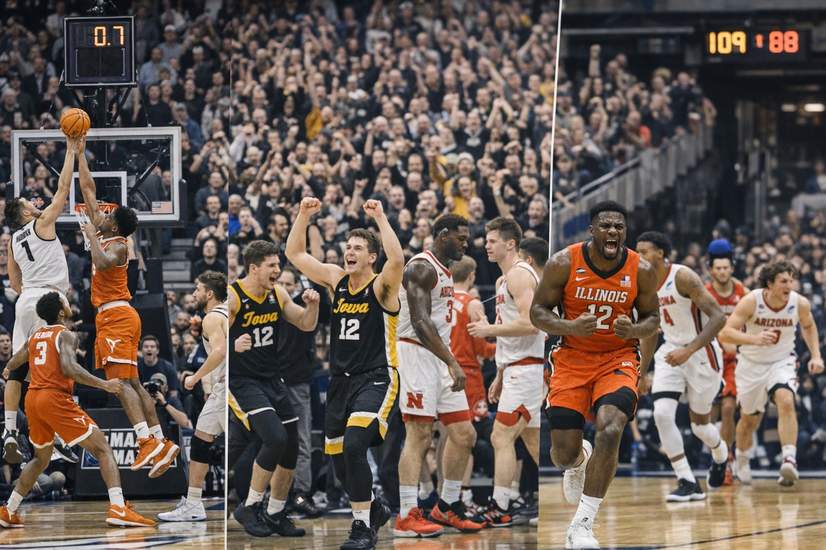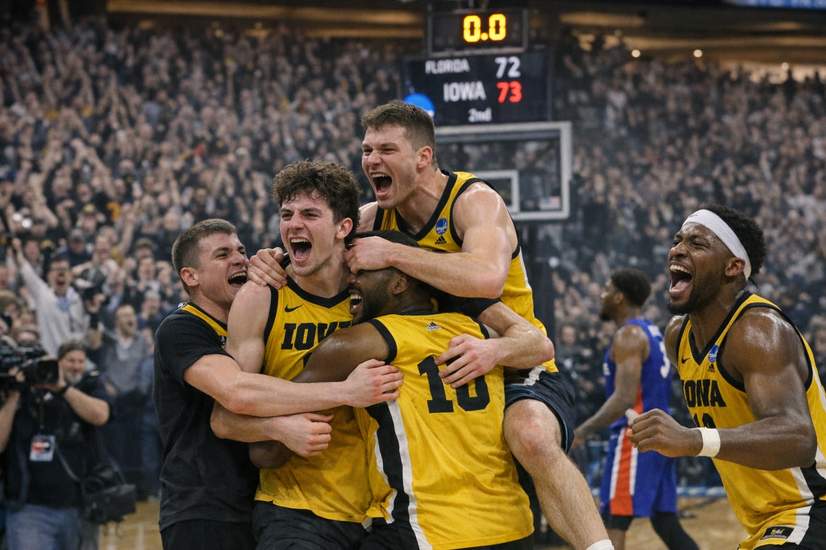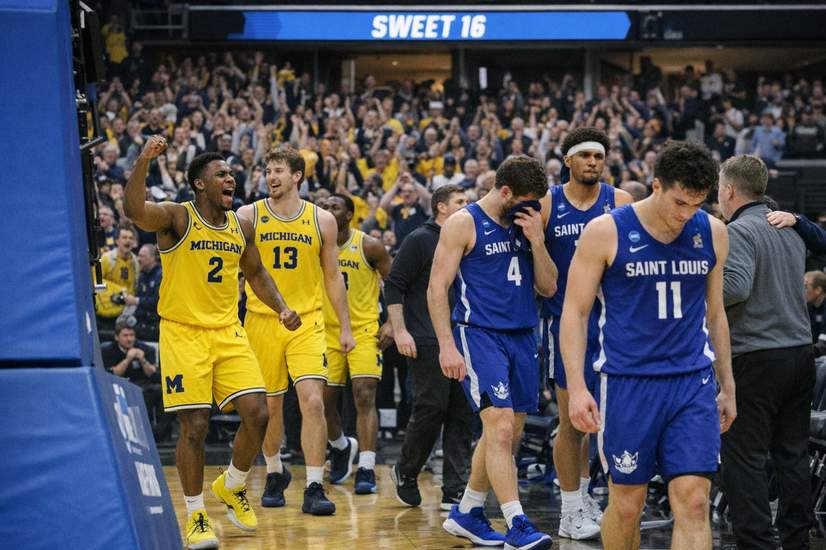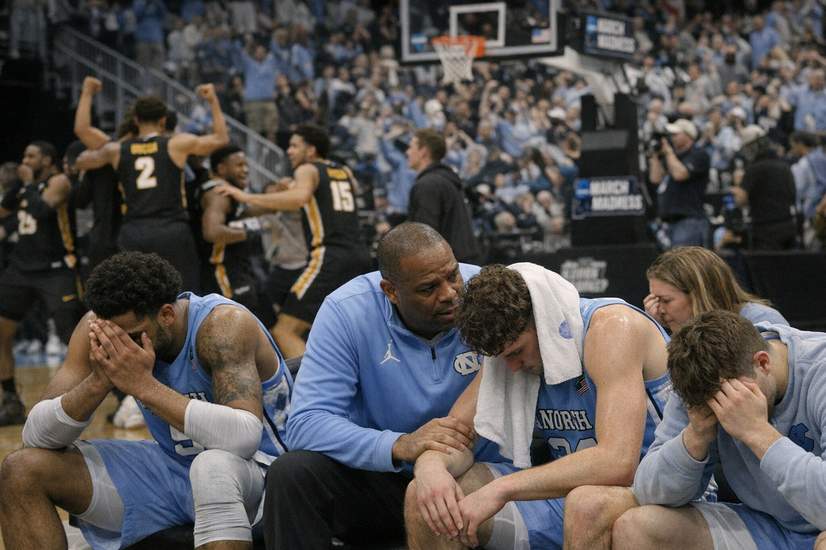
Selection Sunday is a mood — part final exam, part soap opera, and all anxiety. After months of scouting, bracket-binging and hot takes, the reveal boils down to one cruel truth: matchups matter more than seed stickers. Here’s a friendly (and slightly melodramatic) guide to the teams the big-name squads definitely hope to avoid when the committee does its thing.
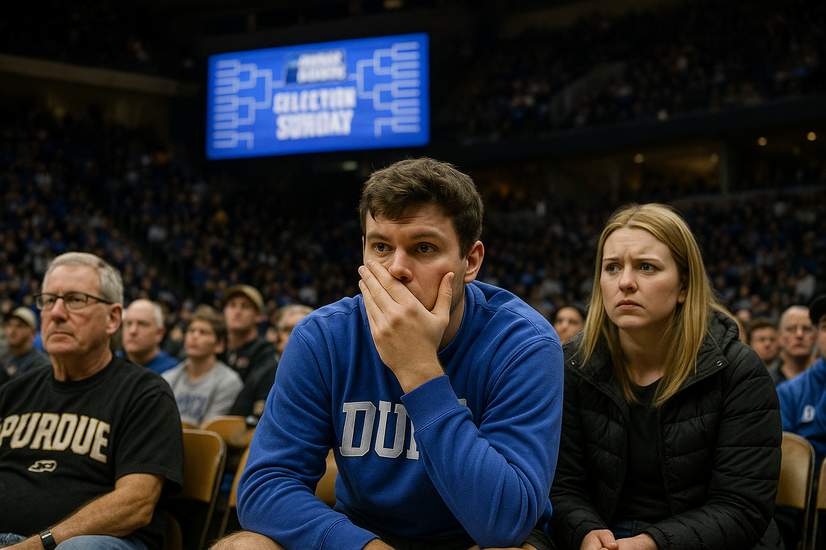
Why Purdue makes Duke sweat
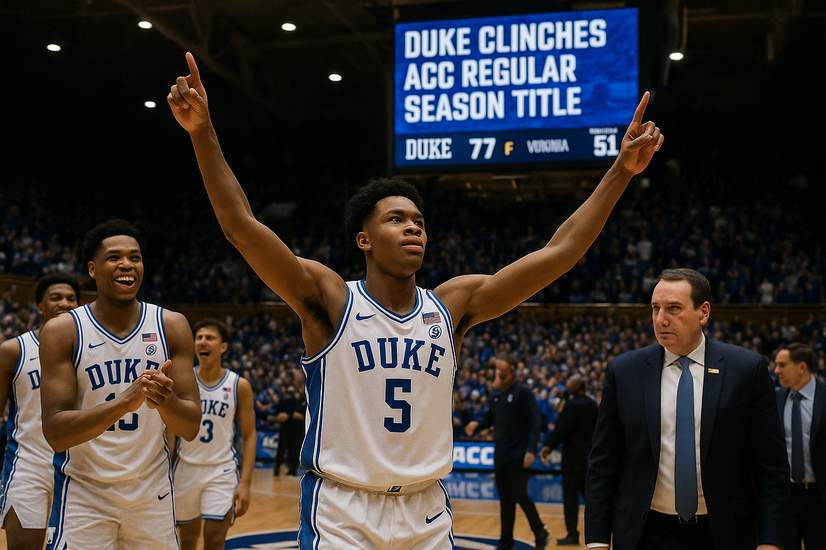
Duke’s defense is currently doing the thing nightmares are made of — smothering space, switching like a Swiss watch, and playing bully-ball without the tantrums. Usually that’s the end of the road for offensive-minded teams, but Purdue isn’t your average opponent. They run a deep, patient halfcourt offense with set plays galore and a point guard who reads defenses like a GPS.
If Duke forces a slog-it-out, halfcourt chess match, Purdue will happily oblige. The Boilermakers have the schematic patience and post-offense to exploit Duke’s size mismatch quirks, and their deliberate attack can neutralize transition advantages. In short: stylistically, it’s an awkward fight for Duke — think heavyweight boxer vs. a methodical grappler.
The kind of team that exposes Texas Tech’s soft spots
Texas Tech’s grit and connection are still real — coach Grant McCasland has the troops playing together — but they’re thinner up front and a bit fragile without a certain veteran calming presence. That makes them ripe for a high-energy, athletic squad that can pressure full court and dominate the boards.
A team that brings nonstop athleticism and chaos on defense can turn Texas Tech’s turnovers into easy points. If the Red Raiders don’t catch fire from deep, this matchup tilts away from them quickly. Long story short: relentless pressure and physical rebounding are nightmare fuel for this paint-light group.
Can anyone slow Michigan before Indianapolis?
Michigan’s defense is uniquely suffocating — they take away the obvious and make you earn everything. To crack that code you need a creator who can isolate, attack and consistently beat his man one-on-one. Enter a freshman phenom or any guard who lives in isolation and can make defenders pay.
A fast-paced opponent with a legitimate isolation scorer and athletic frontcourt can flip the script, get Michigan’s bigs in foul trouble, and push the tempo until the paint protector is gassed. Michigan’s roster is elite, but a matchup that forces them to defend at a frantic pace could cause real headaches.
The matchup North Carolina would rather skip
North Carolina has fixed some of its defensive warts, but dynamic lead guards who attack the paint and punish coverages still give the Tar Heels pause. Facing a team with multiple attacking guards who can alternate blows off pick-and-rolls and spot-up threes is a recipe for stress.
If UNC draws a backcourt-loaded club that can create off the bounce and hit threes in batches, the Tar Heels’ defense could get chewed up. Even with rebounding advantages, failing to guard the ball against a trio of sharps can turn a fine game into a fistful of regrets.
The kind of draw Virginia dreads
Virginia likes order: methodical offense, drop coverage, and an insistence on making you beat them from deep. But when a team has a trio of scoring guards who can score from everywhere and punish drop coverage, UVA’s plan can look fragile in a hurry.
If the opponent’s guards are comfortable driving against the drop and hitting pick-and-pop threes, Virginia’s defensive blueprint gets stretched and poked full of holes. Matchup-wise, that’s a big “no thanks” for the Cavs.
Florida’s frontcourt would be a massage therapist’s nightmare for Kansas
Kansas usually has the top-tier talent to handle most threats, but facing a team that lives in the paint with size, strength and unrelenting interior attacks is a different kind of puzzle. If an opponent can repeatedly pound their bigs one-on-one, it exposes KU’s smaller front-line vulnerabilities.
So if the Jayhawks’ bracket path includes a paint-heavy crew that isn’t afraid to test them over and over, that’s a matchup that could sap Kansas’ comfort and force uncomfortable adjustments.
Quick hitters — small nightmares that still sting
Louisville’s slippery guards and barrage of threes can be a peculiar thorn for any defense that clogs the paint and gives up outside looks. In a 40-minute game, individual talent can swing the pendulum despite schematic advantages.
Gonzaga versus a smaller team with limited interior answers is classic mismatch fuel. A big, hungry post player attacking thin frontlines can turn the Zags’ athletic wings into difference-makers.
Illinois thrives when opponents double the ball — they have the shooters and decision-makers to punish help defense. A team that relies on trapping and forcing turnovers might find itself on the wrong end of that trade.
Bottom line: seeds matter, but matchups matter more. A great team can lose if styles collide in the wrong way, and Selection Sunday is when bracket poetry becomes reality — for better or hilariously worse.