Quick recap: what happened
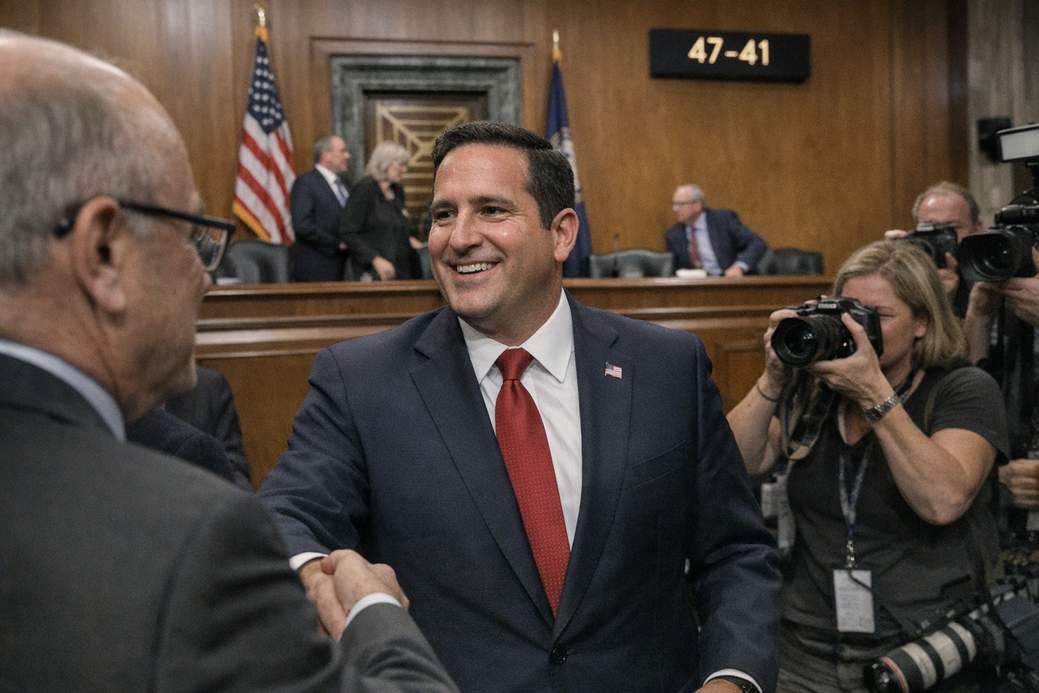
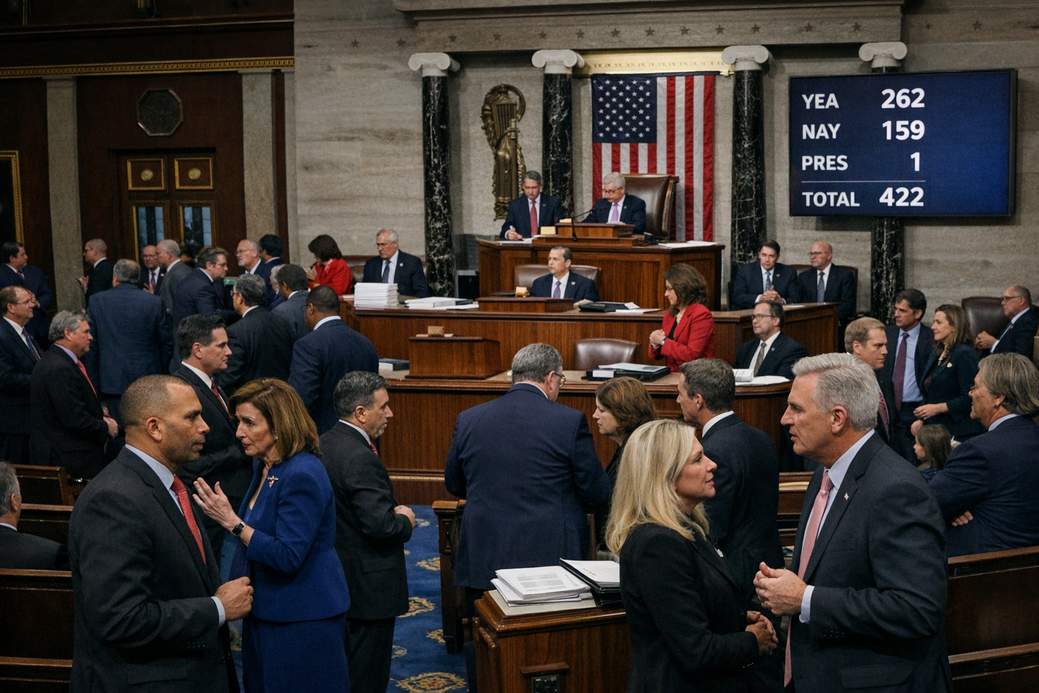
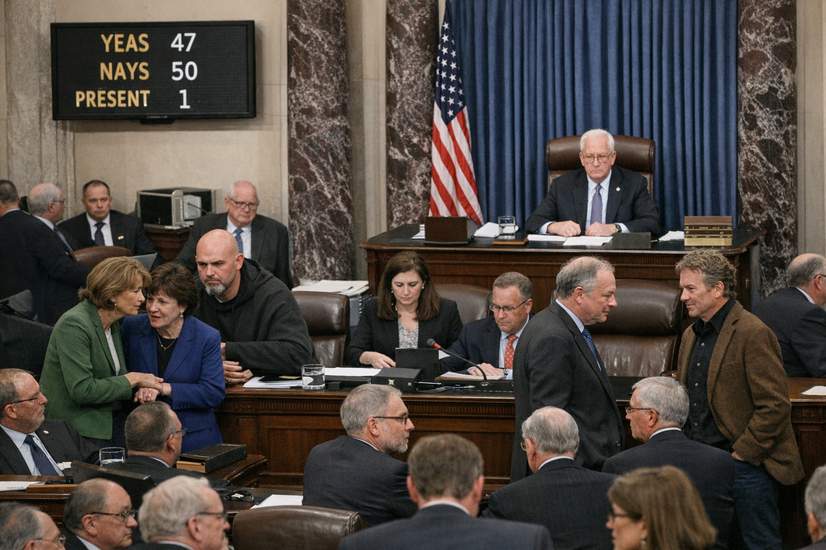
Late Wednesday the Senate voted down a procedural move to advance a resolution that would have limited President Trump’s authority to conduct military actions against Iran. The motion failed 50-47 — a small margin that reflects a lot of political jousting behind the scenes.
The vote tally and the odd ducks
Here’s the scoreboard: two Republicans, Susan Collins and Lisa Murkowski, joined most Democrats in supporting the motion to move the resolution forward. Rand Paul opted to be officially absent from the vote (voted present), and Democrat John Fetterman surprisingly voted no. The narrow numbers show how some GOP senators were swinging back and forth like a weather vane.
Background on the Kaine resolution
The resolution from Sen. Tim Kaine would have ordered the removal of U.S. forces from hostilities involving Iran unless Congress explicitly approved continued action. If both chambers had passed it, the measure required the president’s signature to become law — a key detail that made it more than purely symbolic. Still, many saw its real-world effect as doubtful because a veto from the president was likely.
Why this mattered (and why it might not)
The administration has argued the U.S. isn’t currently engaged in hostilities with Iran thanks to a ceasefire arrangement, and it has even questioned the constitutionality of the 1973 War Powers Resolution — the law meant to give Congress a say when presidents use military force. So while Congress debated, the executive branch basically waved a legal hand and said, “not our problem.”
Drama at the lunch table
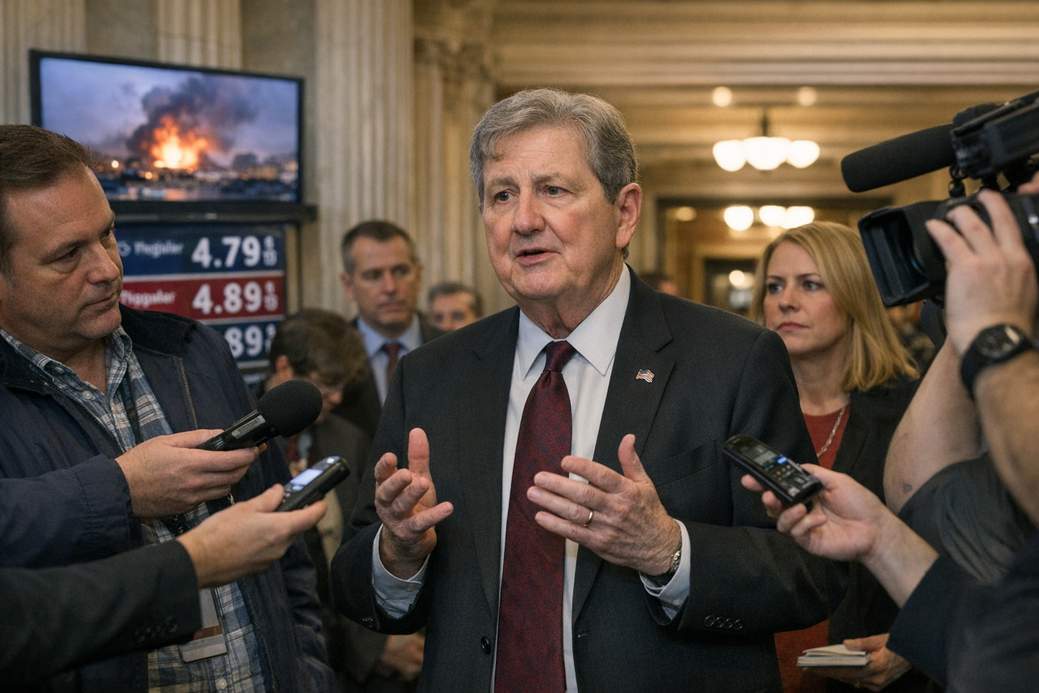
Tensions flared publicly. The president reportedly expressed his frustration during a heated lunch with Senate Republicans — an exchange that didn’t stay calm. One senator who backed the earlier House measure left the meeting saying the president raised his voice and that tempers got short. Politics, apparently, pairs well with steamed vegetables and shouting.
Why some Republicans flipped (or at least hesitated)
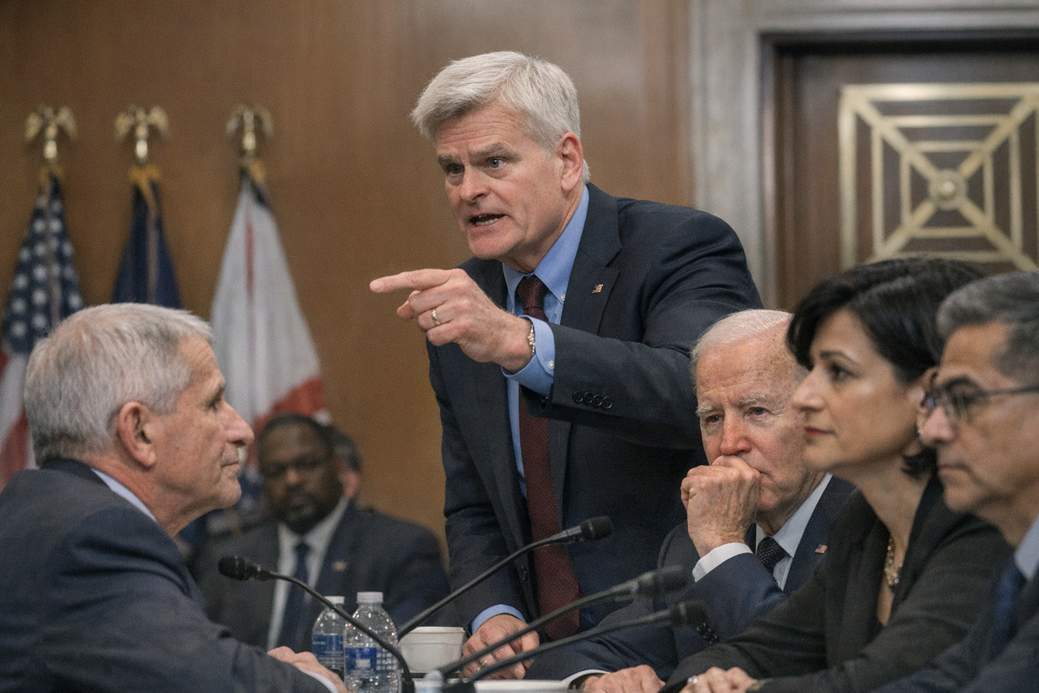
After the lunch and follow-up briefings, a few GOP senators who had earlier supported restrictions appeared to change course. Senator Bill Cassidy said a White House briefing with Vice President JD Vance and a special envoy addressed many of his concerns, and he voted against advancing the measure. Senator Rand Paul, though a previous supporter of similar resolutions, voted present, explaining he wanted to give the president more maneuvering room to negotiate a lasting peace.
Backroom persuaders and the wider picture
Senate leaders — with help from figures like Majority Whip John Barrasso — worked to corral votes. Their efforts coincided with a recent memorandum of understanding between the U.S. and Iran to extend a ceasefire for 60 days and begin talks on Iran’s nuclear program. Public opinion polling suggested many Americans were skeptical about the whole conflict, which made congressional patience thin and political pressure high.
Aftermath
The president thanked his Senate allies on his social platform, calling the vote a message to Iran. Meanwhile, lawmakers and staffers shuffled back to their offices, likely to prepare for the next round of debates, briefings and — because this is politics — more dramatic lunches.