Opening snapshot
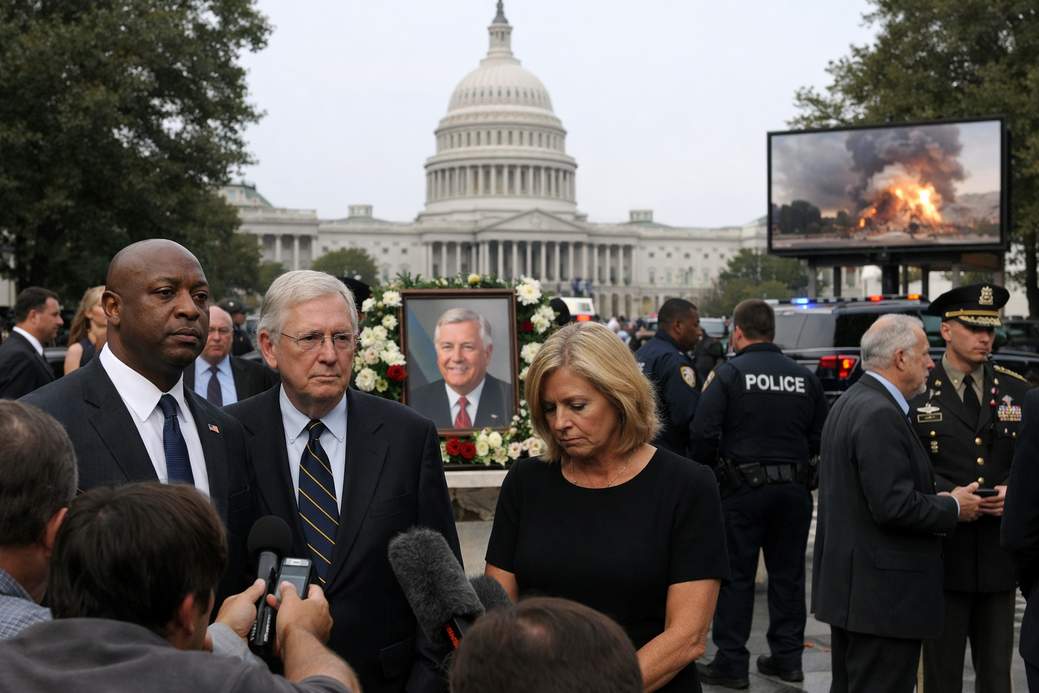
Big, shocky morning in Washington: Senator Lindsey Graham has suddenly died, and almost at the same time the Middle East is heating up again. This edition stitches those two stories together with reactions from lawmakers, diplomats, and retired generals — plus a few domestic headlines that refuse to go quietly.
What happened to Senator Graham (short version)
Lindsey Graham, South Carolina Republican and a familiar voice on security and foreign policy, passed away unexpectedly after a brief illness. He’d spent decades in Congress, pushed hard on Ukraine, Israel and Iran policy, and had been traveling — most recently to Kyiv. His seat and unfinished projects now become immediate business for his colleagues and for state officials back home.
How colleagues remembered him
Senator Tim Scott, among others, shared personal memories: the rough-and-tumble upbringing that shaped Graham, the surprising tenderness beneath his rough exterior, and his knack for bringing people together (often with a golfing or late-night phone call involved). The tone was respectful, occasionally funny, and clearly moved — a mix of admiration for policy chops and affection for the man.
The short-term political logistics
With Graham gone, South Carolina’s governor will name a short-term replacement to fill the seat for the final months of the term. Expect a rapid scramble to set up primaries and get a new name on the November ballot. Meanwhile, some key bills Graham championed — notably tougher measures on buyers of Russian oil and other sanctions moves — are now in the hands of other lawmakers to shepherd forward.
Mideast flare-up: truce unravels and strikes resume
A tentative pause between the U.S. and Iran collapsed after Iranian forces struck a commercial vessel in the Strait of Hormuz. The U.S. replied with fresh CENTCOM strikes. For now, Israel has not launched attacks against Iran and Iran has not directly attacked Israel, but the region is tense and the chance for further kinetic exchanges is real.
Israel’s ambassador weighs in
Ambassador Michael Leiter emphasized that Graham was a strong friend of Israel and that his push for normalization with Gulf states was part of a broader vision. He warned that the recent MOU failed its basic test — keeping shipping lanes open — and that if the U.S. asks for Israeli military support in a follow-up campaign, Israel would respond. On Lebanon, he said Israel can pull back where Hezbollah is dismantled; where it remains, Israel sees a continued security role.
Diplomatic friction & civil-society flashpoints
The ambassador condemned attacks on journalists and said any violence must be condemned. He also pushed back at criticism of the Israeli government’s handling of some congressional visitors, arguing that visits coordinated with Palestinian activists can complicate things. Translation: tensions aren’t just on the battlefield but in press interactions and diplomatic choreography.
Rahm Emanuel’s Tel Aviv speech: why he’s cranky (in a constructive way)
Rahm Emanuel returned from Israel with a blunt message: the country is politically isolated and smart policy needs more than military muscle. He urged a creative diplomatic push — widening regional recognition and economic corridors — to stitch Israel back into regional and global networks. His pitch mixes tough love with technocratic optimism: use trade, tech and multilateral buys to reduce the reliance on force alone.
Ukraine, sanctions and the missing champion
Several lawmakers — including Ohio Rep. Mike Turner — stressed Lindsey Graham’s role as a cheerleader for tougher action on Russian oil buyers. The House has passed sanctions measures; the Senate was moving toward them. Graham’s death leaves a gap, but supporters hope other senators will pick up the bill and push it across the finish line as a symbolic and substantive show of support for Kyiv.
NATO wrinkle: Turkey, S-400 and the F-35
There’s also the lingering Turkey question. Ankara bought a Russian S-400 air defense system years ago, triggering sanctions and F-35 program exclusions. Some in Washington say Ankara now appears willing to take steps that could let it rejoin parts of the F-35 program, which would be welcome to NATO partners if it actually happens — but legal and political hurdles remain.
Military take: can the U.S. control the Strait of Hormuz?
Retired Gen. Frank McKenzie, who once led CENTCOM, said the U.S. has the capability to seize or keep the Strait open if ordered, and that options range up to seizing key assets — a technically possible but politically fraught path. He echoed a familiar theme: Iran tends to respond to force and pressure, and if diplomacy stalls, the military toolkit is real and must be considered with the costs front and center.
Domestic quick hits: elections guidance and immigration pauses
On the home front, Homeland Security floated pressure for states to adopt certain election practices — like stronger paper-ballot measures — with the hint that federal funds could be at stake. Opinions vary, but the headline is federal nudging of state election administration. Separately, a temporary reprieve was granted to Haitians facing an imminent end to protected status, but communities and local officials are scrambling and watching the short extension closely.
What this all means — in plain English
The week married personal loss with geopolitics: the sudden death of a long-serving senator who championed hawkish foreign policy, and a Middle East moment that looks like a rewind of old tensions — diplomacy first, kinetic options second, and a whole lot of contingency planning in between. Domestic policy items quietly thrum in the background, reminding us that the news is never just one headline long.
Closing note (with a wink)
So: grieving a heavyweight, watching a simmering warfront, and juggling politics at home. It’s a lot. If you’re keeping score, here’s the shorthand — lots of urgent meetings, a handful of ballots to worry about, and a global security situation that might make your coffee feel undercaffeinated. Stay tuned, take a breath, and maybe call someone you disagree with — Lindsey’s kind of people tended to do that, and weirdly enough, good things sometimes came from it.