Opening Snapshot: Two Kids, Two Journeys
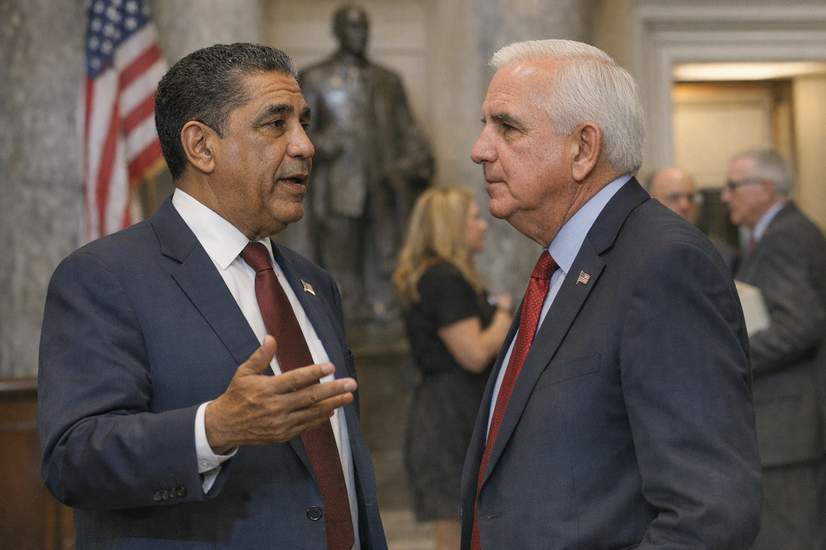
Once upon a voting district: two guys who arrived as kids from different Caribbean islands and now pass laws instead of homework. One came from Cuba at age seven and the other from the Dominican Republic at nine. Both landed in tight households, learned English from nuns and chilly classrooms, and eventually translated those early scrambles into careers in public service.
What “Being American” Looks Like to Them
For Congressman Gimenez, being American is about opportunity, hard work and thinking in English most of the time — plus a deep appreciation for the freedoms that let his family start over. For Congressman Espaillat, it’s about second chances, bilingual dreams and the idea that a nation gains energy and ideas when it welcomes new people. Both describe America as a place that can open doors, even if the hallway has a few bumps.
Birthright Citizenship: The Ruling and the Real Talk
The Supreme Court recently reiterated that being born on U.S. soil generally means citizenship — a rule with deep roots in American law. Both lawmakers accept the decision but also want to curb the rare practice of people traveling here just to give birth. Gimenez called that an abuse to be fixed by Congress; Espaillat pointed out that so-called “birth tourism” is tiny compared to the broader issue of who benefits from birthright citizenship.
Temporary Protected Status — Not a Magic Carpet
TPS exists to shield people from being shipped back to places where their lives are in danger. The court’s recent decisions mean hundreds of thousands, including many Haitians and Syrians, could lose protections. Both members of Congress argued against mass returns to failed or disaster-stricken states. Gimenez emphasized that TPS is supposed to be temporary but lifesaving; Espaillat urged lawmakers to push hard to avoid sending vulnerable families back to chaos.
Where a Quick, Bipartisan Fix Might Live
Neither side thinks there’s a single magic spell, but they agreed on a few sensible starting points: take care of Dreamers, protect long-term farmworkers who keep food on our tables, and stop tearing families apart. Espaillat framed those three as doable building blocks; Gimenez added that securing borders first makes a long-term solution politically possible — then lawmakers can address the millions already here by normalizing their status so folks can work openly and pay taxes without constant fear.
Practical, No-Nonsense Advice for Aspiring Immigrants
Both congressmen say: do it the legal way. Use consulates and embassies, apply for visas, and follow the processes in place. Gimenez made the practical pitch — legal routes exist, and America benefits from new skills and fresh perspectives. Espaillat added the cheery booster shot: bring your ideas, energy and talents. The country’s still an experiment worth joining, he said — just come in through the right door.
Bottom Line: Compassion Meets Common Sense
The conversation landed somewhere sensible: protect people fleeing danger, fix loopholes that get gamed, and try to craft laws that work for most of the folks affected even if nobody loves every line of the final bill. It’s not a fairy tale, but both lawmakers seemed to agree that America should stay a nation of second chances — just with clearer rules and fewer surprise plot twists.