What’s changed?
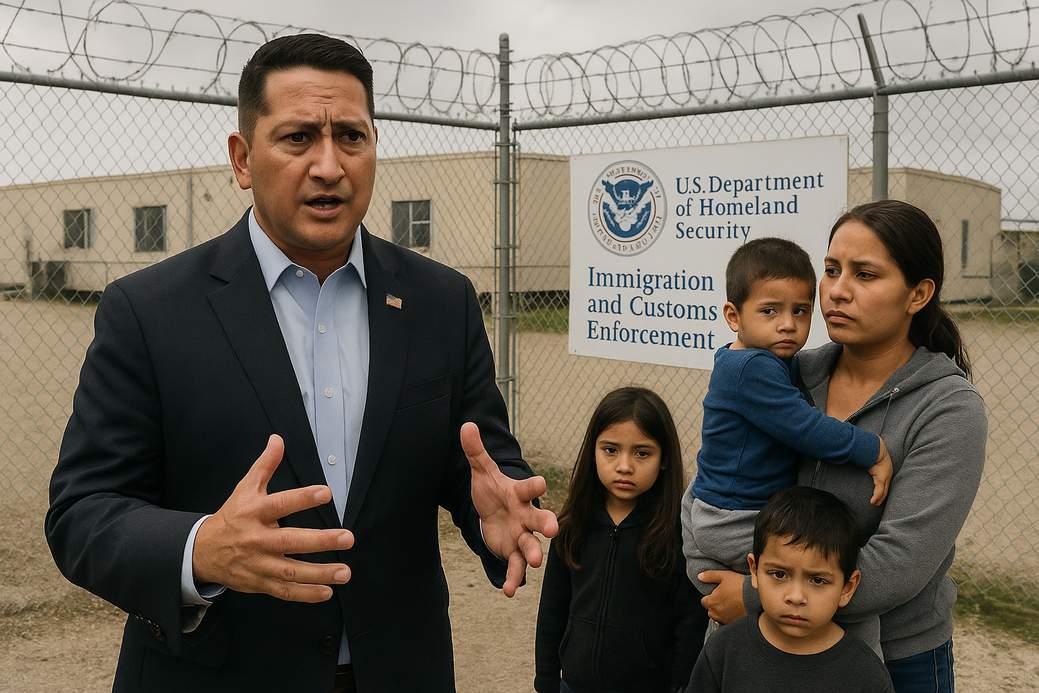
In mid-February, a new government memo gave Immigration and Customs Enforcement (ICE) expanded authority to grab custody of refugees who came to the U.S. legally but still haven’t secured permanent residency after a year. The memo, signed by acting ICE leadership and the head of the agency that handles green cards, basically says: if a refugee hasn’t become a lawful permanent resident within 12 months, it’s time for a re-check — and if they don’t show up voluntarily, ICE should go find them.
Who’s affected?
This targets refugees — people who were admitted because they proved they were fleeing persecution — who haven’t completed their green card paperwork within a year of arrival. That’s a lot of folks who already went through lengthy overseas vetting before stepping onto U.S. soil, but who haven’t formally adjusted their status yet for one reason or another.
How the process is supposed to work
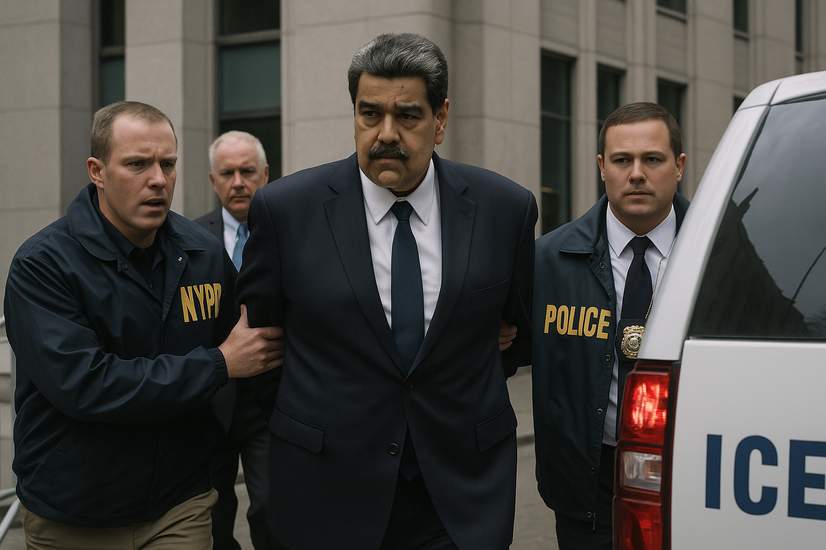
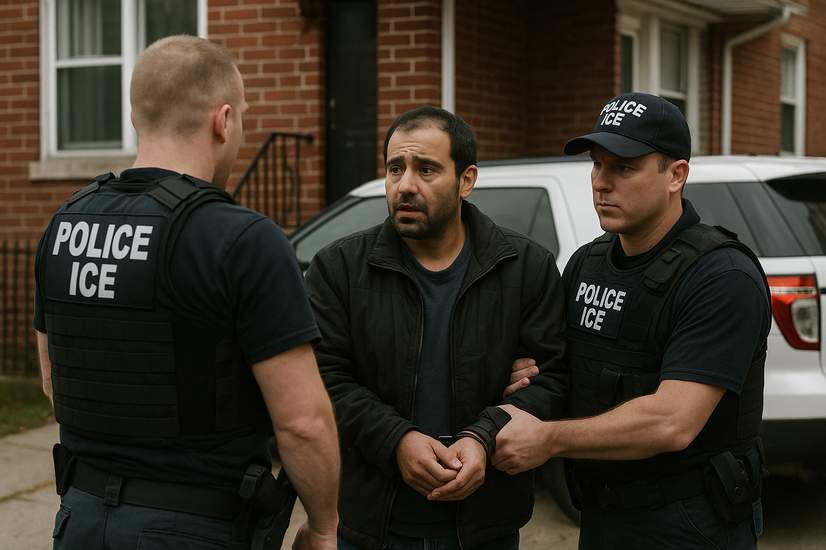
The memo allows refugees to come in for a follow-up interview voluntarily. If they don’t, officials are instructed to locate, arrest and detain them so they can be re-interviewed and re-screened. Authorities say the review is meant to catch fraud or identify people who might pose security risks, like possible terrorism ties or serious criminal histories. If someone raises concerns during the review, they could lose their status and face removal proceedings.
What was different before?
Up until now, the longstanding practice was more lenient: simply failing to get a green card within a year wasn’t supposed to be enough reason by itself to lock someone up. Detained refugees used to get quick decisions — within a couple days — on whether they’d be released or put into deportation tracks. This memo flips that assumption and gives immigration authorities broader discretion to hold people while investigations continue.
Context and other moves
This action fits into a wider push by the current administration to re-open and re-examine immigration cases, including reviews of refugees admitted under the previous administration. There have also been targeted pauses on immigration applications from countries labeled high-risk following violent incidents, and localized efforts to re-scrutinize refugee populations that drew federal enforcement to certain regions. Some of those operations ran into legal pushback from judges and civil-rights groups.
Reactions — drama, alarm, and lawsuits
Supporters argue these steps are about national security and public safety. Critics — including refugee resettlement groups — call it punitive and say it unfairly targets people who survived lengthy vetting and came here seeking safety. Humanitarian groups have signaled plans to challenge the policy in court, arguing it amounts to detaining people who were lawfully admitted without solid new evidence of wrongdoing.
Why this matters (aside from the obvious worry)
Beyond the immediate legal consequences for individuals, the policy could chill refugee resettlement, make people fearful of routine paperwork deadlines, and tie up agencies and courts with new rounds of reviews. For communities and charities that help newcomers, the change adds uncertainty to an already complicated system.
Bottom line
The memo expands ICE’s authority to pull certain refugees back into custody for re-screening if they haven’t adjusted to permanent resident status after a year. It’s a major shift in enforcement that’s likely to cause legal fights and worry among refugees and the groups that support them — basically turning a paperwork deadline into something a lot scarier than a late fee.