Quick Snapshot
In a surprisingly low-key move, CIA Director John Ratcliffe made a hush-hush trip to Moscow. The headline? A very blunt message to Russia: don’t poke NATO. He also gave Iran a nudge about reopening the Strait of Hormuz — or else face more sanctions. Diplomatic drama, but with fewer fanfare and more seriousness than usual.
What Happened in Moscow
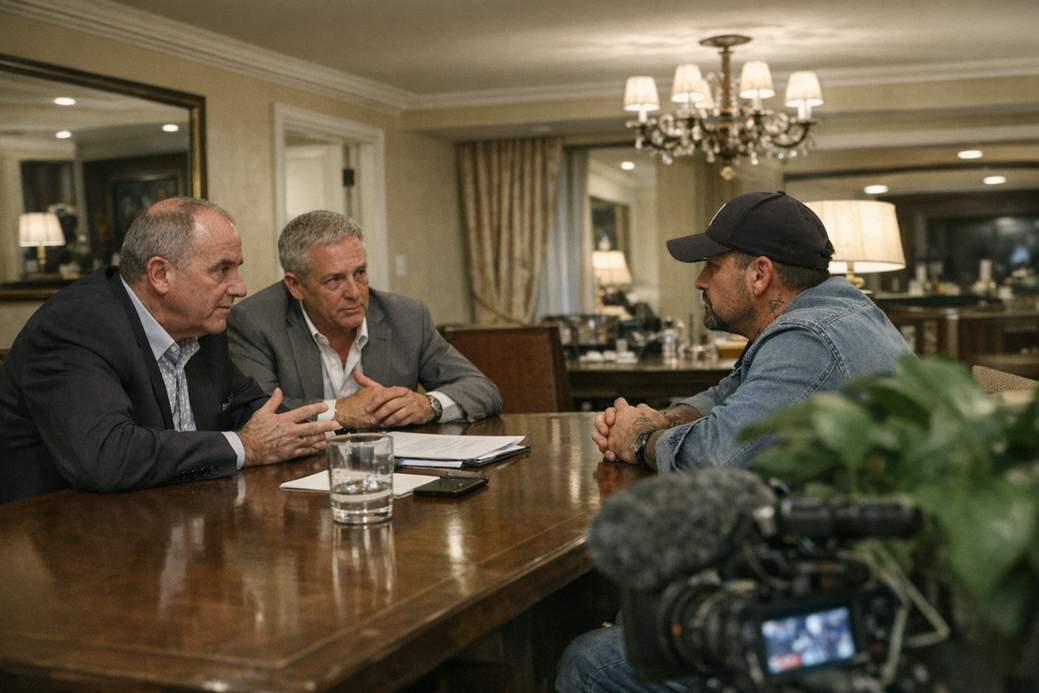
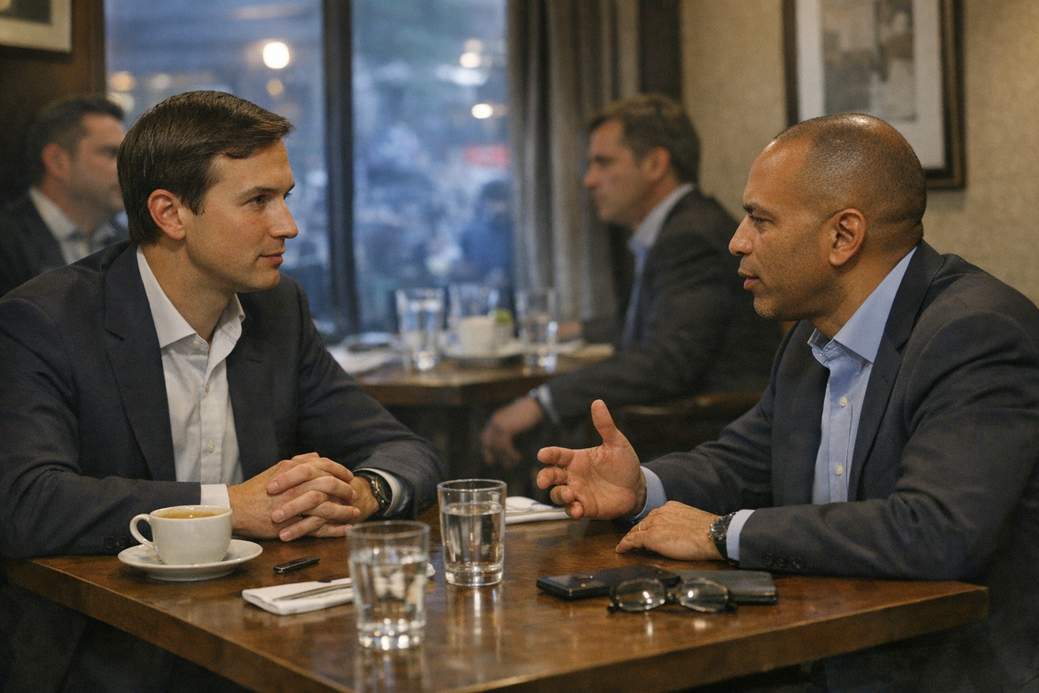
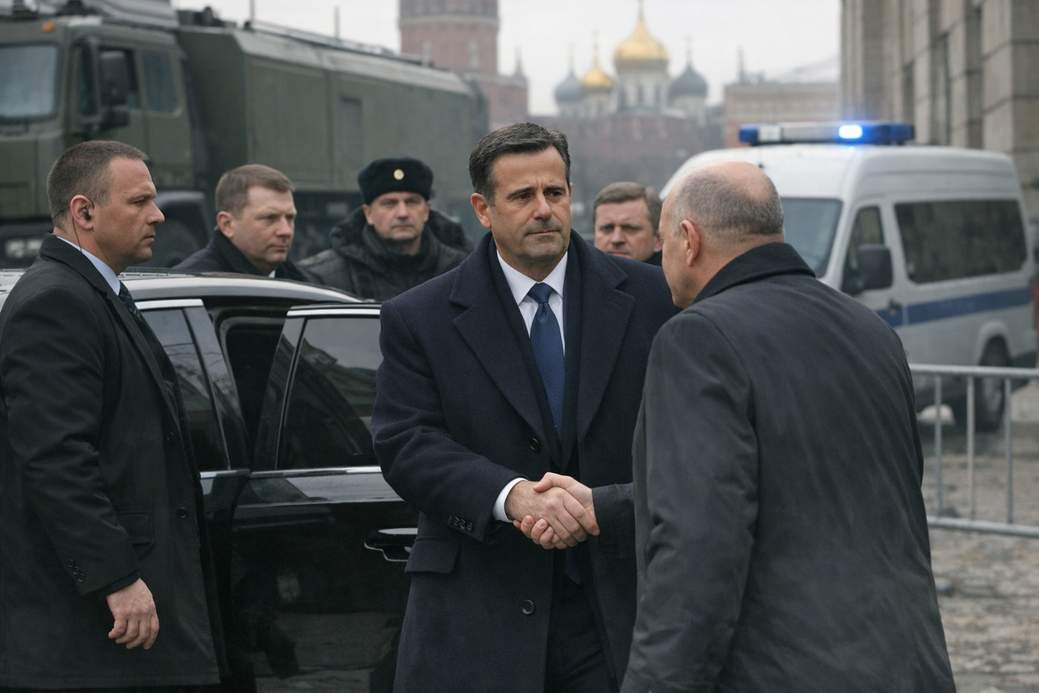
Ratcliffe slipped into the Russian capital on what officials described as a discreet visit. Military transport and a diplomatic convoy made the trip obvious to observers even if the official word was scarce. He met with Russian intelligence figures, not the president, and the CIA stayed tight-lipped about the details.
The Main Message
The core of Ratcliffe’s visit was simple: Russia should steer clear of attacks on NATO countries. U.S. intelligence has been watching for provocative moves — things that fall short of full-on invasion but could still escalate tensions, like cyberattacks, sabotage, or other cloudy “hybrid” operations.
Why Washington Was Nervous
Recent incidents — drone intrusions, a stray missile crossing into NATO territory, and more reported sabotage and cyber activity across Europe — have officials on edge. The fear isn’t necessarily that Russia wants a big war, but that it might test NATO’s cohesion and the U.S. response.
NATO: The Elephant in the Room
NATO’s mutual-defense promise means an attack on one member could pull others in. That’s a big deal, but political reality complicates things: the U.S. president has long grumbled about whether allies are pulling their weight, so questions about how reliably NATO would act have lingered.
The Iran Side Note
Ratcliffe didn’t just talk Russia. He also warned Iran about the consequences of keeping the Strait of Hormuz closed to shipping. The message: reopen the waters or expect tougher U.S. sanctions. The trip thus carried a two-for-one diplomatic warning.
How Others Reacted
The Kremlin confirmed talks with Russian intelligence sources but said Ratcliffe didn’t sit down with President Putin. The White House called the trip somewhat routine, and Ukraine was reportedly told to avoid strikes while the delegation was in town — a sign of how sensitive the timing was.
What to Watch Next
Keep an eye on NATO member security incidents and any uptick in cyber or hybrid actions. Also watch for diplomatic follow-ups: sanctions decisions, public statements from allies, or fresh shuttle diplomacy. Small moves now could reveal big strategic intentions later.
Final Takeaway
Think of the visit as a high-stakes nudge: a U.S. official quietly reminding Russia and Iran of red lines and consequences. No fireworks on the tarmac, but the message was unmistakable — don’t test this neighborhood’s fuse.