TL;DR: Who showed up and what happened
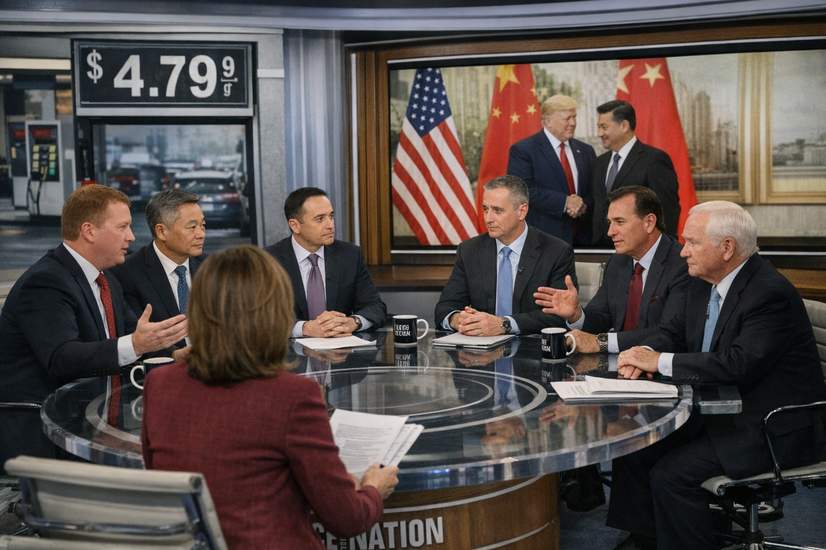
This episode of Face the Nation gathered a motley crew: the U.S. trade czar Jamieson Greer, Taiwan’s top U.S. envoy Alexander Yui, poll whisperer Anthony Salvanto, bipartisan House duo Brian Fitzpatrick and Tom Suozzi, and former Defense Secretary Robert Gates. The topics hopped from President Trump’s China swing to inflation, trade headlines, Taiwan’s nerves, gerrymandering grievances, and Pentagon changes — with gas prices photobombing most conversations.
President’s China visit — applause abroad, eye-rolls at home
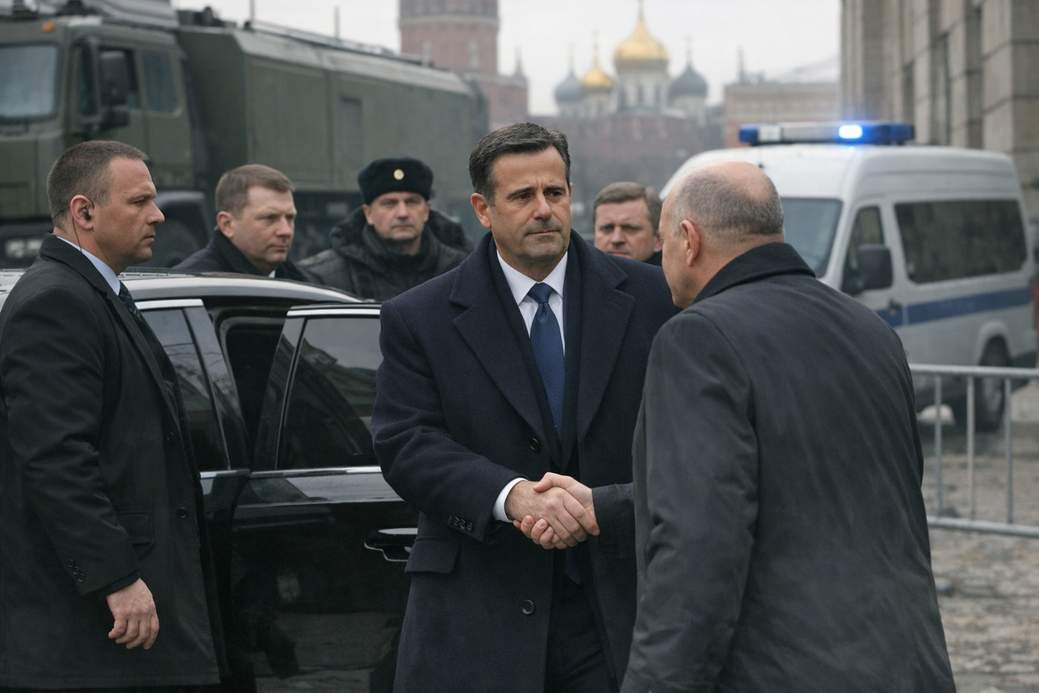
The administration returned from a big diplomatic trip to Beijing with some public cornucopia of agreements and a more private pile of questions. The headline-friendly bits — talk of buying planes, meat and other U.S. goods — sounded good on air, but details are thin and some of the promised deliveries look more like “we’ll see” than ironclad contracts. Meanwhile, back home, Americans are more worried about rising costs than summit selfies.
That viral remark and the inflation sting
An offhand comment by the president about not focusing on Americans’ finances landed badly, especially as new data showed inflation jumping at the fastest pace in years. The CBS poll shared during the show painted a grim mood: majorities are frustrated with the economy, think policies are hurting more than helping in the short run, and the approval numbers slipped to a second-term low.
Gas prices: the political third rail
With the national average hovering north of $4.50 a gallon, fuel costs are leaking into every other household decision — fewer trips to the pump, pullbacks on spending, and a lot of blame being tossed around. Polling experts explained that while gas isn’t the only problem, it’s a very visible one that feeds a broader sense of economic unease and uncertainty.
Trade talk with Jamieson Greer: boards, Boeing, and the tariff tug-of-war
The trade rep described new, more formal channels for U.S.-China economic talks — a board of trade and a board of investment — aimed at keeping the relationship steady and focusing on non-sensitive commerce like agriculture, planes, and medical gear. The idea is to stop improvising and start talking on a schedule, though national-security issues and high-tech exports remain off-limits.
As for tariffs, Greer was diplomatic: investigations are ongoing and options (tariffs, quotas, service fees) remain on the table depending on findings. Boeing orders and bigger agricultural buys were touted as wins, but many specifics are being finalized — part celebration, part fact-checking pending.
Taiwan’s message: we exist, we defend ourselves
Taiwan’s representative stressed that the island wants to be heard, not sidelined. Officials said a presidential call would be news if it happens, but nothing was nailed down. On independence, the envoy framed Taiwan as a sovereign democracy resisting pressure — not an agitator — and argued that getting promised defensive arms delivered matters a lot if deterrence is the goal. He politely suggested that holding up sales as bargaining chips isn’t very reassuring.
Polling color from Anthony Salvanto: feelings > spreadsheets
Salvanto reminded viewers that emotions about money drive politics. People say they feel squeezed, worry their paychecks aren’t keeping up with prices, and see structural risks like A.I. and job disruption. Short-term pain (especially at the pump) dominates perceptions, and voters don’t feel either party currently owns the affordability solution.
Problem Solvers caucus: gerrymandering is the civic equivalent of mildew
Representatives Fitzpatrick and Suozzi made a bipartisan plea for less map-making shenanigans. Their point: extreme gerrymanders and closed primaries push politicians to please the base instead of the whole district, killing compromise and rewarding extremes. They pushed for independent commissions, open primary reforms, and practical fixes like funding conditions to encourage fairer maps.
The pair also sparred with quick political questions — whether the GOP is punishing dissenters, whether a federal gas tax holiday helps (it could, but it raises highway-funding questions), and how Congress should handle big foreign policy asks like tougher Russia sanctions or more aid to Ukraine.
Robert Gates: keep the ambiguity, but deliver the weapons
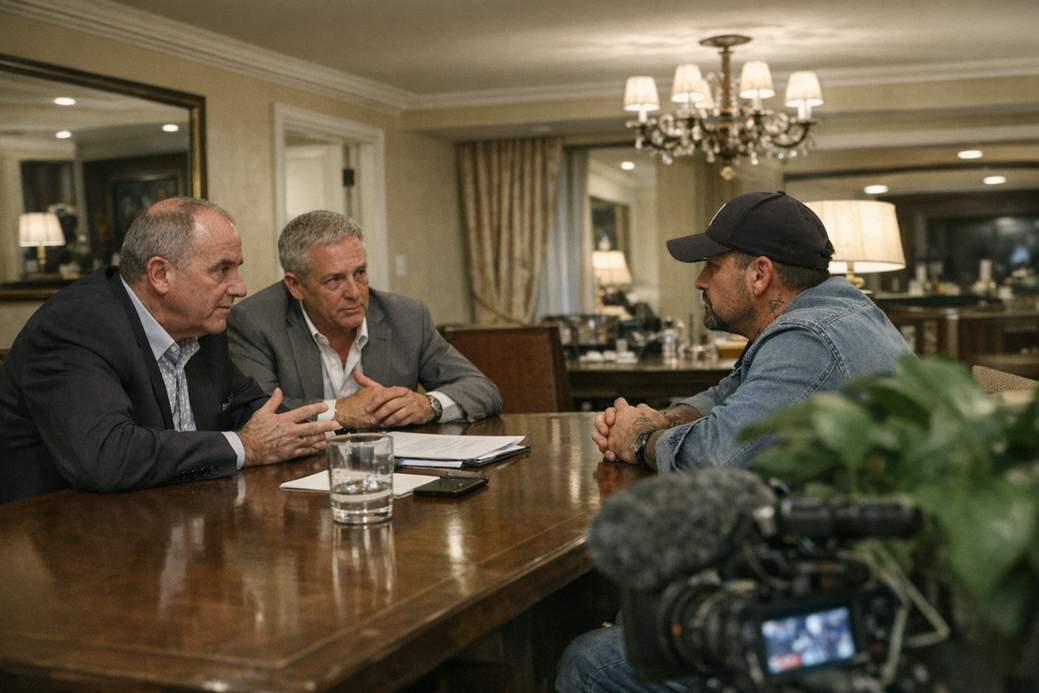
Gates, in a sit-down recap, urged caution about dramatic shifts to longstanding Taiwan policy. He argued strategic ambiguity still serves a purpose and warned that while a full-scale Chinese invasion seems unlikely, slow-pressure strategies — blockades, cyberattacks, economic squeeze — are plausible threats. He also said the U.S. should follow through on arms sales and pay attention to backlogs: promises mean little if hardware sits in limbo.
On the Middle East and Iran, Gates emphasized that an enduring nuclear solution is likely political and negotiated, not just kinetic. He also suggested that big personnel shake-ups at the Pentagon deserve explanation to Congress and the public.
Bottom line: lots of posture, a few real receipts
This episode felt like a buffet of foreign-policy theater and domestic anxiety. Agreements were announced, investigations continue, and officials kept promising that work will translate into lower prices and more stability. But most viewers will take away two things: gas is still wildly annoying, and the big diplomatic headlines need follow-up reporting — because the devil, as ever, is in the delivery schedule.
Final note (a.k.a. the newsroom mic drop)
Face the Nation closed out with the usual mix of policy puzzles and partisan theater. If you want a short take: keep an eye on tariff investigations, watch whether promised arms actually leave warehouses, and maybe hop on a bike now and then — your wallet might forgive you.