Quick snapshot
U.S. officials say Iran’s top leader has been keeping to an undisclosed, highly protected location and is largely cut off from normal communication. Instead of emails and phone calls, messages travel by layers of couriers and middlemen — which turns every decision into a slow-moving relay race.
Why everything takes forever
When Washington or negotiators send a proposal, it doesn’t land on the leader’s desk instantly. It trickles through a chain of handlers, gets stamped with timestamps and then waits for the return trip. That lag is a big reason negotiations and public updates appear stalled or vague.
Life behind the reinforced doors
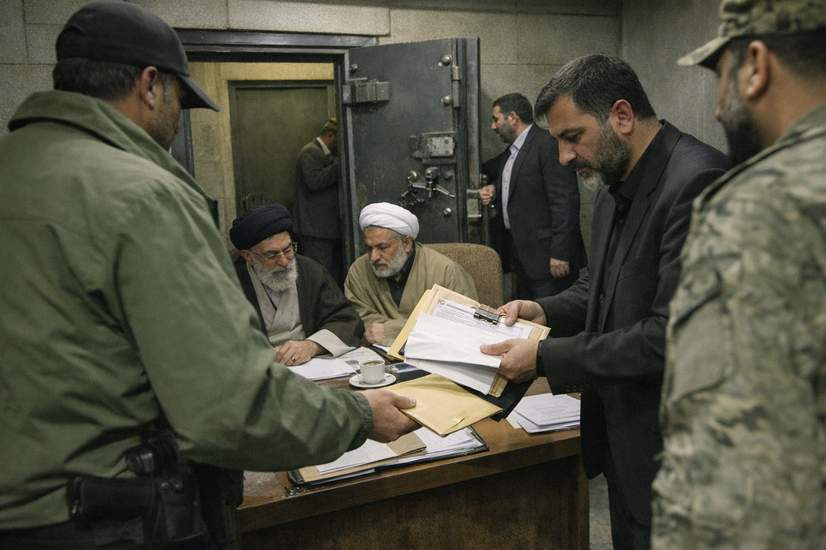
According to sources, senior Iranian figures are spending long stretches in fortified compounds and don’t mingle or leave much. They avoid unnecessary conversations — partly for security, partly because getting an authoritative answer can take days. Imagine diplomacy with the speed of dial-up internet.
How messages really move
Rather than direct calls, the system relies on trusted couriers and intermediaries who are meant to mask the leader’s exact whereabouts. This makes real-time coordination clumsy and creates plenty of opportunities for miscommunication and delay.
The human angle (and the comedy of errors)
Officials watching the process say it can look almost absurd: senior figures trying to coordinate while operating like a covert squirrel society. Frustration bubbles up, and decisions that might take hours elsewhere can drag on for days.
Bottom line
If you’re wondering why updates are slow, this is the short answer: extreme caution, layers of middlemen, and a communications system built to protect a leader — not to speed up diplomacy. The result is slow answers, vague statements, and a lot of people waiting for the next courier to show up.