Opening scene: The handshake and the brass band
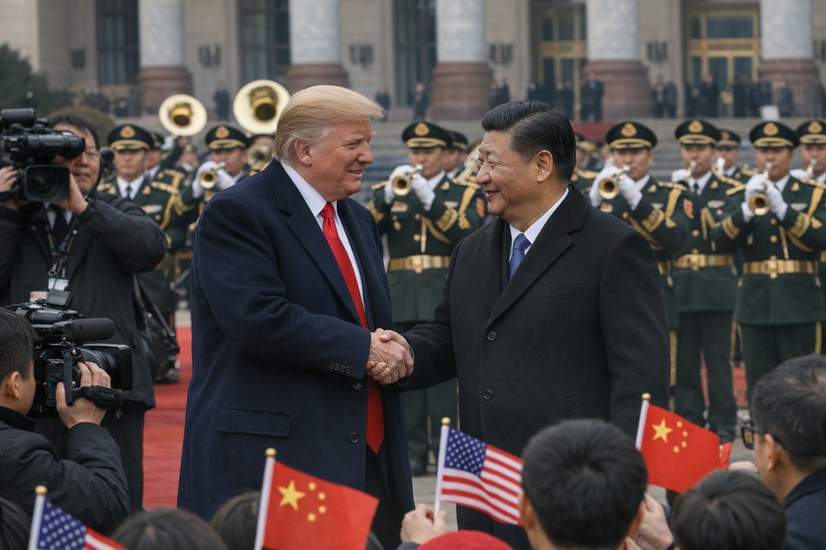
Think of it as geopolitics with a soundtrack: Trump and Xi greeted each other outside the Great Hall of the People amid marching bands, military pomp, and a sea of tiny flags. They smiled, posed, traded pleasantries, and then headed into a private meeting that clocked in at about two hours and 15 minutes. Outside, cameras clicked; inside, world-shaping topics took center stage.
Taiwan: the awkward topic no one wanted to selfie with
Taiwan hovered over the visit like an uninvited relative at a holiday dinner. Xi reportedly warned Trump that how the U.S. handles Taiwan could make or break the bilateral relationship, even suggesting mishandling could lead to clashes. In short: treat this issue carefully or risk serious fallout. Both sides stayed tight-lipped in public, but the message was loud and clear.
Trade: from tariff tantrums to cautious calm
Not long ago the U.S. and China were embroiled in a tariff tit-for-tat that felt like two people arguing over who gets the last slice of pizza — except the pizza was billions of dollars in trade. Since then, tensions have eased a bit: some duties were rolled back and both sides have signaled they want more stability. Talks naturally circled back to trade, with Trump saying business would be a big focus. Expect chips, rare earths, and market access to be on the table.
CEOs in the front row
The summit doubled as a VIP networking event: big-name CEOs like Elon Musk, Jensen Huang, and Tim Cook were present, standing beside U.S. officials. They met Xi and left with upbeat vibes — Beijing promised more open doors for foreign firms, and the CEOs gave reporters friendly gestures and short, sunny soundbites. For these tech leaders, China remains a huge market and a delicate balancing act.
The Iran subplot
The U.S.-Iran situation was the less flashy but persistent subplot. With tensions in the Middle East still simmering, the conversation could affect energy, shipping routes, and global stability — factors that matter to both Washington and Beijing. China buys a lot of Middle East oil and has close economic ties to Iran, so this was more than background noise.
Everything’s connected — chips, oil, and diplomacy
From semiconductors made in Taiwan to oil traversing the Strait of Hormuz, this meeting was a reminder that modern geopolitics is a tangled web. Trade access, rare earths, and semiconductor exports were all on the informal agenda. Both sides seemed to prefer a less dramatic, more manageable relationship than the tariff-fueled chaos of the previous year.
Why it matters — and why you should care
Beyond the handshakes and photo ops, this summit matters because decisions here ripple into your phone, your car, and possibly even the price at the pump. Stability between the U.S. and China makes global markets calmer; a breakdown could make everything from chip availability to energy prices spike. Plus, Taiwan’s future hangs in the balance — and that’s not just a regional issue.
The takeaway
Short version: it was a high-profile meet-and-greet layered with serious warnings and cautious optimism. Leaders traded compliments, CEOs acted as peace-lobbyists-in-suits, and Taiwan and trade sat in the front row. No blockbuster breakthroughs were announced, but both sides signaled they’d rather avoid another full-blown trade war. In other words: all the drama of international relations, served with a side of diplomatic finesse and a grin for the cameras.