What happened (the short version)
Florida carried out an execution this week when 72-year-old Daniel Owen Conahan Jr. was put to death by lethal injection at the state prison near Starke. Officials pronounced him dead in the early evening after a three-drug protocol. He’d been sentenced for the 1996 kidnapping and strangling of Richard Allen Montgomery — a killing tied to a grisly string of discoveries in a wooded area that the media later dubbed the “Hog Trail Murders.”
Inside the death chamber
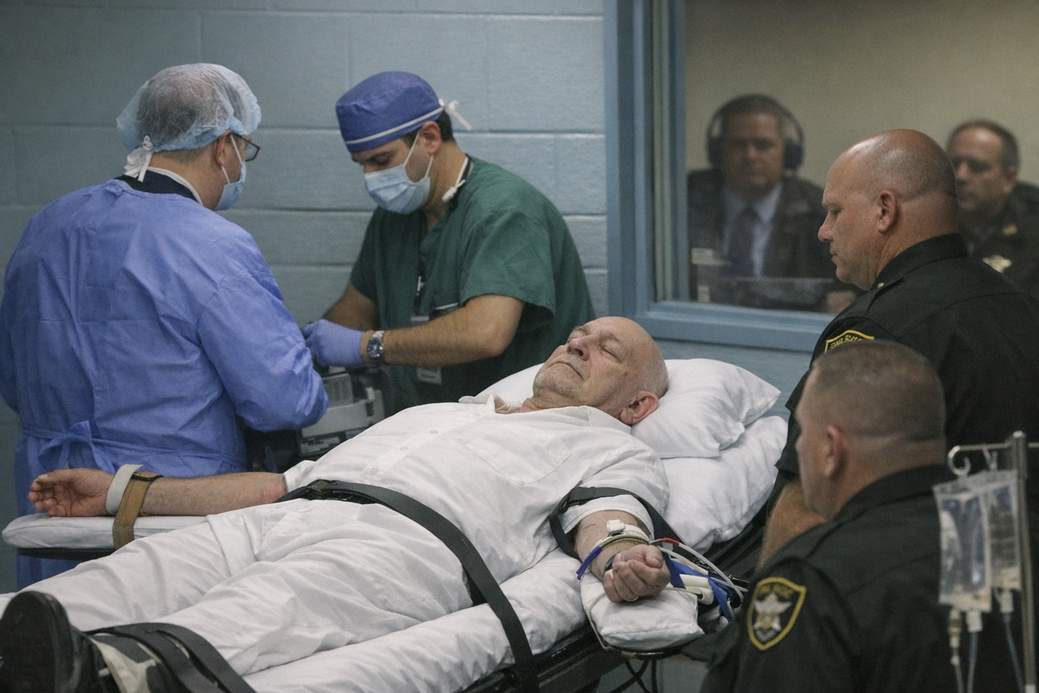
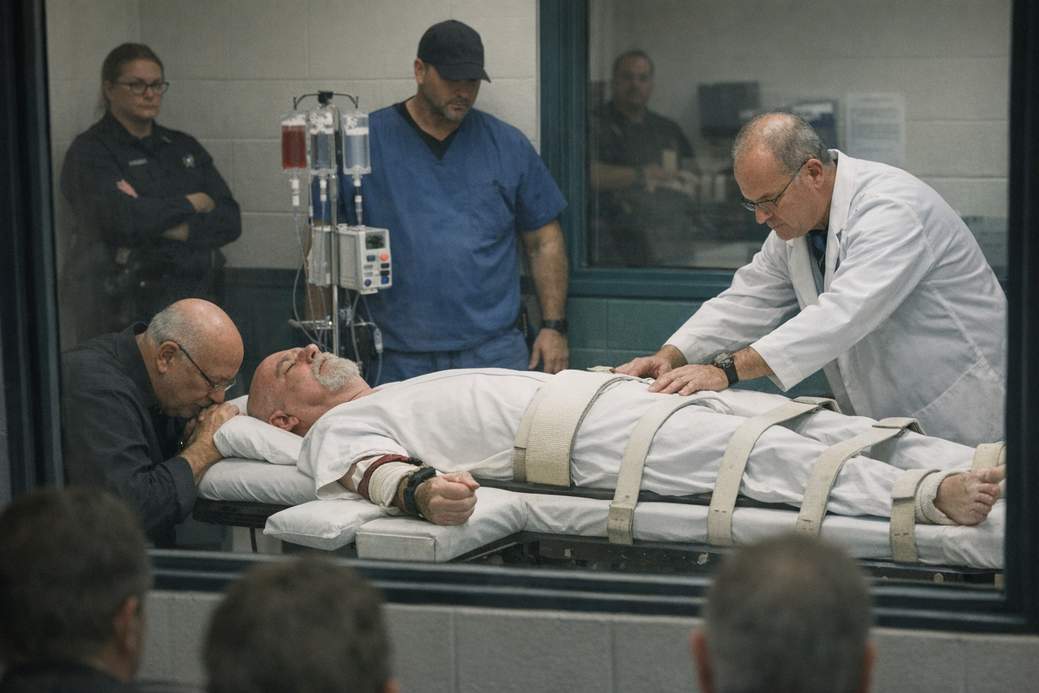
The room was described as routine and solemn. Conahan was already on the gurney when the curtain rose; a spiritual adviser stayed at his feet and prayed. Asked if he had any final words, he answered briefly and declined. The injection started, he showed brief signs of distress, then went still. Medical staff checked for vitals and a minute later he was declared dead.
The Hog Trail cases — a messy, years-long investigation
The killings that people came to call the Hog Trail Murders involved multiple bodies found in swampy, hunter-populated stretches of southwest Florida during the 1990s. The first remains were discovered in 1994, and several more turned up over the following years. Most victims were homeless men, and many of the bodies were badly decomposed by the time they were found. Montgomery’s body was believed to have been located relatively soon after his death, which helped focus investigators on that case.
How investigators focused on Conahan
Detectives zeroed in on Conahan in 1996 after a series of tips and similar incidents. One key lead came from an inmate who said Conahan had once lured him into a remote spot with talk of paying for nude photos. Other victims reported similar lures and escape from strangulation attempts. Those patterns led to an arrest and to charges that included attempted murder and eventually the Montgomery homicide.
Trial, verdict and lingering questions
Conahan chose to have his case decided by a judge rather than a jury. In 1999 a judge convicted him of murder and kidnapping in the Montgomery case and he was later sentenced to death. Authorities named him as a person of interest in other nearby killings, and investigators believed the series of local discoveries were likely the work of a single offender — but Conahan was not criminally charged in those other deaths and maintained that the evidence against him was circumstantial.
Families, reactions and the human side
Several family members of victims attended the execution. One relative of a Hog Trail victim issued a strong written statement saying the family saw the execution as a form of closure and would mark the moment — language that reflected the raw, personal feelings such events stir. For others, the case has remained a decades-long wound, repeatedly revisited by true-crime shows and podcasts.
Florida’s place in the national tally
At the time officials noted this was Florida’s 15th execution of that year. Reporting later in the year put the nationwide total at dozens of executions, and Florida’s count rose to be among the highest in the country — a point critics and supporters alike pointed to when debating the state’s use of capital punishment. The state’s lethal injections follow a three-drug procedure: a sedative, a paralytic and a heart-stopping drug.
Bottom line
The Conahan case ties together a single conviction, a cluster of mysterious deaths from decades past, and ongoing arguments about evidence, justice and closure for victims’ families. It’s the kind of story that keeps resurfacing in true-crime corners, partly because of how many open questions still hover over the wider Hog Trail cases.