Intro: Yes, people donate poop
If that sentence made you giggle, welcome to the club. In recent years, doctors have started using other people’s poo to treat certain stubborn gut problems. But despite the weirdness, stool donation is real medicine — and surprise: most of us don’t make the cut. Fewer than 3% of volunteers produce stool that meets the strict standards for donation, and the mythical few who make the biggest difference are affectionately called “super poopers.”
A midnight burrito and a heroic bowel movement
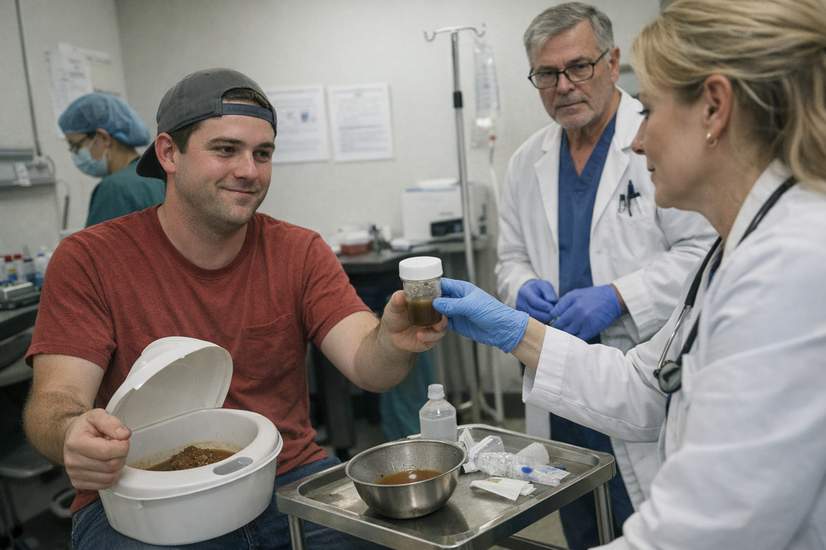
One of the earliest modern examples involves a med student who ended up supplying his own stool to help an elderly patient with a severe gut infection. He ate a burrito the night before, collected a sample in a medical basin the next morning, strained it into a bottle and handed it over. The transplant worked, and the patient stopped getting recurrent infections. It’s the sort of gruesome origin story that sounds like satire but actually kick-started a lot of interest in faecal microbiota transplants (FMTs).
How picky is the screening?
Very. Potential donors fill out detailed health questionnaires and submit blood and stool for lab testing. Clinics typically screen for dozens of pathogens, parasites and drug-resistant bugs; some programs even test for respiratory viruses like COVID or the flu because germs can occasionally hitch a ride in fecal material. Medical history, medications, supplements, recent travel and even what you ate that week can all matter. In short: you’re auditioning like an organ donor — except the organ is a stool sample.
Who usually makes the cut?
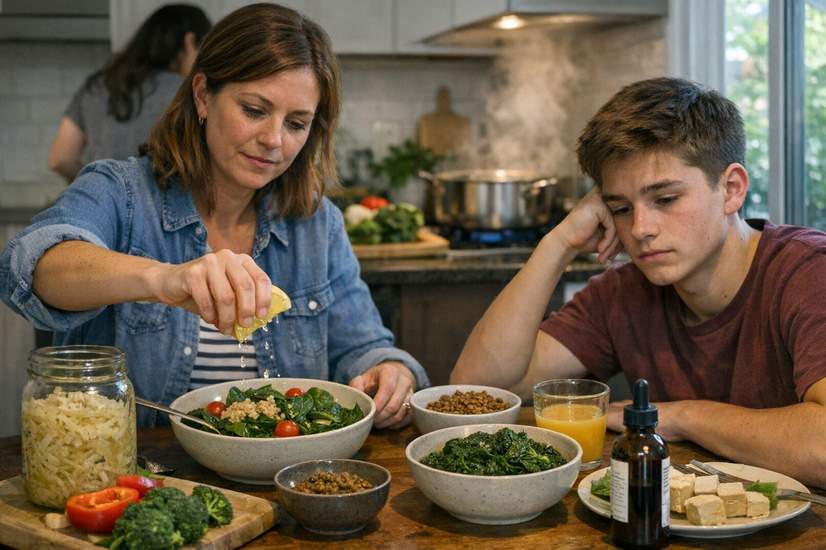
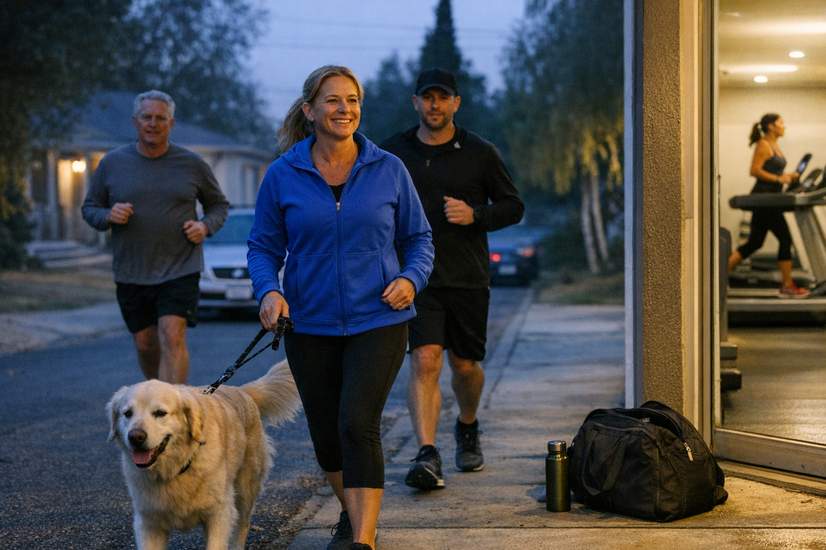
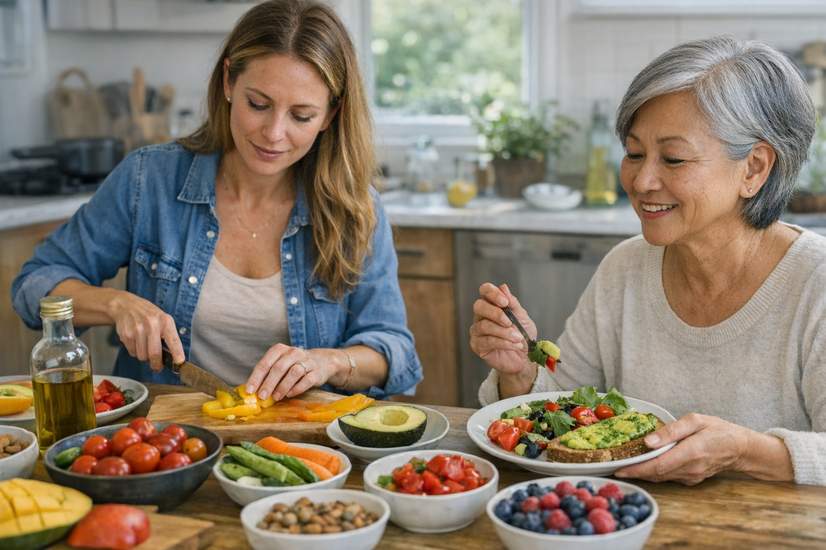
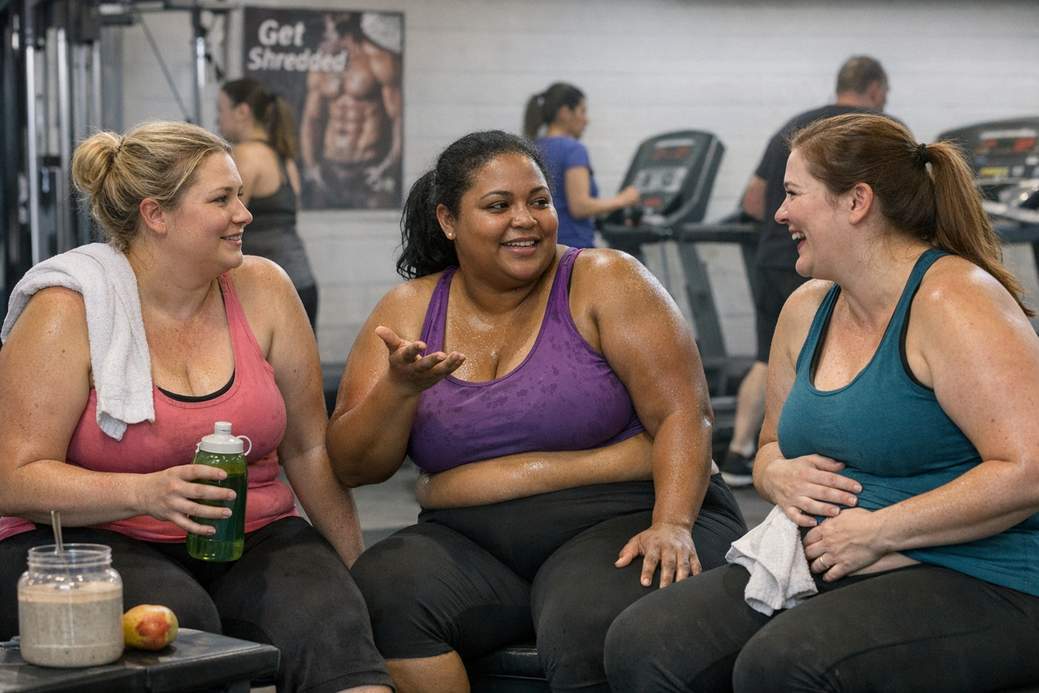
Most stool programs look for adults in roughly the 18–48 age range, though recipients can be any age. Ideal donors tend to be lean, lead generally healthy lifestyles, and eat lots of fiber-rich foods. Surprisingly, purely vegetarian donors aren’t always the winners; people who eat a mixed diet often show higher microbial diversity. Exercise, sleep habits, alcohol intake and travel history also get examined — one famous anecdote involved a recipient gaining weight after getting stool from an overweight donor, which is a reminder that donor traits can influence outcomes.
The daily grind of being a donor
If you pass the tests, you may be invited to join a regular donation program. That often means popping into a lab or clinic frequently to use a designated donor toilet and hand over your sample. Many stool banks compensate donors — in the U.S. it can range roughly from $25 to $100 per visit — and programs prefer repeat donors to avoid retesting strangers every time. Clinics build long-term relationships with donors and rely on them like dependable, if slightly gross, colleagues.
Prepping the goods
Once collected, samples are processed to make them safe and usable. Technicians blend the stool into a slurry, filter it through very fine meshes, mix it with a saline solution and then store it — sometimes frozen, sometimes used fresh depending on the treatment. The goal is to keep the beneficial microbes intact while removing undesirable bits and ensuring safety.
So what is a “super pooper”?
Normal, screened donors can cure recurrent infections, but researchers noticed that some donors’ stool produces way better results for certain diseases. In a few studies, a disproportionate number of successful outcomes came from a single donor, suggesting some people carry an especially helpful cocktail of microbes. These super poopers often have high bacterial diversity and an abundance of helpful species — including microbes that produce butyrate, a fatty acid known to calm inflammation and protect the gut lining.
We don’t yet know the secret sauce
Despite intriguing findings, there’s no definitive test that points to a super pooper in advance. Microbiome science is still figuring out which combinations of microbes do what, and why a given donor’s stool helps one patient but not another. That uncertainty has pushed researchers toward the idea of matching donors and recipients by microbial profiles instead of assuming one universal hero stool fits all.
From messy transplants to tidy pills
FMTs are messy and variable because you’re transferring entire microbial communities. But the field is moving toward standardized, pharmaceutical-style products derived from donors or grown in labs. There are already FDA-approved therapies that use donor-derived material or specific microbial strains packaged as enemas or capsules. The dream is to one day have tailor-made pills with exactly the microbes a patient needs, minus the unpleasantness and unpredictability.
The big-picture worry (and hope)
Experts celebrate the healing potential of microbes but also worry about what modern life is doing to our microbiomes. Highly processed diets, overuse of antimicrobials and reduced microbial exposure may be shrinking the diversity of organisms that could help us fight disease down the line. Think of gut microbes as a rainforest inside you: if we keep bulldozing it with junk food and antibiotics, we might lose species with real medical value.
So if you ever find yourself complimented for a truly stellar bowel movement, don’t be shy — you might be closer to super-pooper status than you think. Just be ready for the lab, the surveys, and the occasional odd look when you explain your new side gig.