The plea: blunt and dramatic
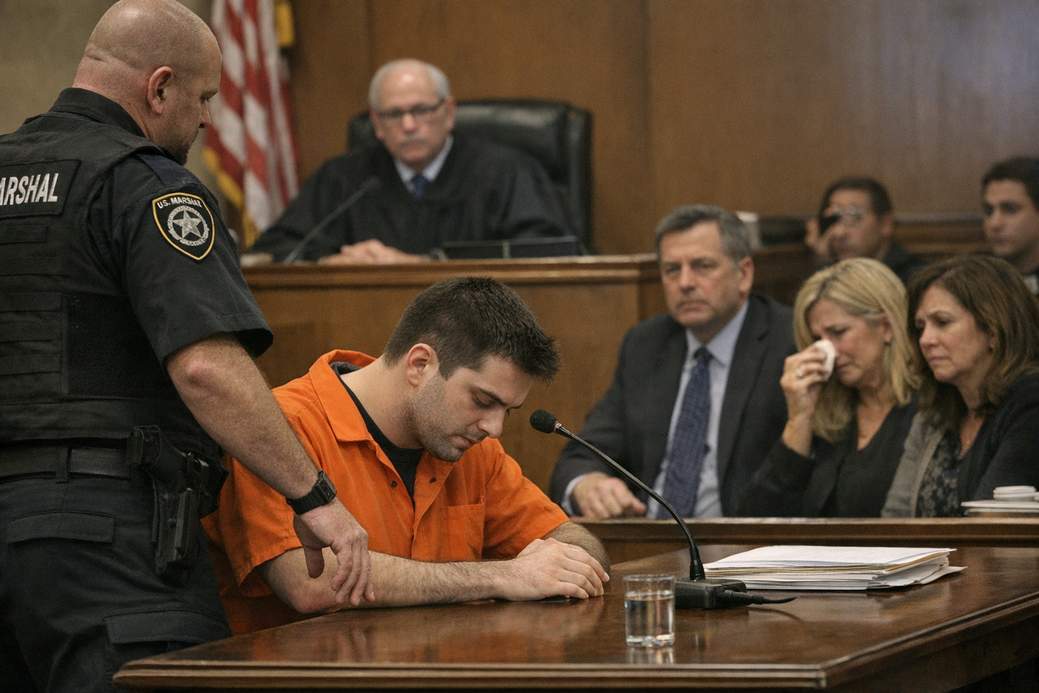
In a Manhattan courtroom, 28-year-old Luigi Mangione admitted he was the person who shot UnitedHealthcare CEO Brian Thompson on Dec. 4, 2024. Mangione pleaded guilty to federal stalking charges and told the judge he went to New York intending to kill Thompson. The admission came with little fanfare but a lot of weight — this was the defendant’s own version of events, spoken on the record.
How he allegedly tracked his target
Mangione says he posed as a big-time investor — claiming to oversee more than $50 billion — and used that ruse to email UnitedHealthcare leadership to confirm where an investors conference would be held. He told the court that those messages were part of a plan to find Thompson so he could follow him.
The motive he described
In his statement, Mangione blamed long-running problems with the healthcare system and his own struggles after a back injury. He said frustration with how his care and insurance were handled pushed him over the edge, even though prosecutors have said he had no personal business with UnitedHealthcare and was not a customer.
Family, court and reactions
Thompson’s relatives were in the courtroom as the plea was entered. They later issued a public response calling the guilty plea an important step toward accountability and urged the court to impose a sentence that reflects how serious the killing was. The mood in the room was somber — a family seeking some kind of closure while the legal machinery continued to turn.
What the prosecutors and defense are saying
Federal prosecutors have made clear they can seek the harshest penalty available: life in prison. Earlier in the case they calculated a likely federal guideline range of roughly 24 to 30 years, but later said they will be asking for life. Mangione’s lawyers have already started fighting in state court, arguing that pursuing separate state charges after the federal plea would run afoul of New York’s double jeopardy protections.
Two tracks: federal and state cases
The guilty plea was to two federal counts involving interstate stalking that resulted in death. But Mangione still faces state charges — including second-degree murder and weapons counts — and those remain scheduled unless a judge delays or dismisses them. The defense has filed motions in state court asking for the charges to be tossed under double jeopardy rules, so the next few weeks could involve a legal tug-of-war.
Evidence, arrest and odd details
Authorities arrested Mangione at a Pennsylvania McDonald’s on Dec. 9, 2024, days after the shooting. Investigators say they found a backpack with a notebook listing grievances against the insurance industry, and at the scene they recovered a bullet and two shell casings marked with words like “delay,” “deny,” and “depose.” Defense attempts to exclude the notebook as the product of an illegal search were rejected by judges in both cases.
Courtroom formalities and personal notes
Before entering his plea, Mangione answered standard questions from U.S. District Judge Margaret Garnett: he acknowledged his rights, confirmed he understood he was giving up the right to a jury trial and accepted the collateral consequences of a felony conviction. He also said he hadn’t been treated for mental illness but had recently used an antidepressant as a sleep aid.
Timeline and what’s next
Mangione’s federal sentencing is set for Dec. 18, where a judge will decide the final punishment. Meanwhile the Manhattan district attorney’s office says it’s prepared to continue pursuing a state trial, with a trial date already on the calendar unless the court delays it. Expect more filings, hearings and possibly an appeal or two as both sides jockey over whether the state case can proceed.
The bigger picture
The killing of a high-profile insurance executive focused attention back on frustrations with the healthcare and insurance systems — frustrations some see as widespread and legitimate, though the violent outcome here is rare and tragic. This case will continue to move through parallel legal tracks, and the next chapters — sentencing, state court fights and potential appeals — will determine how, and how fully, justice is carried out.