What happened?
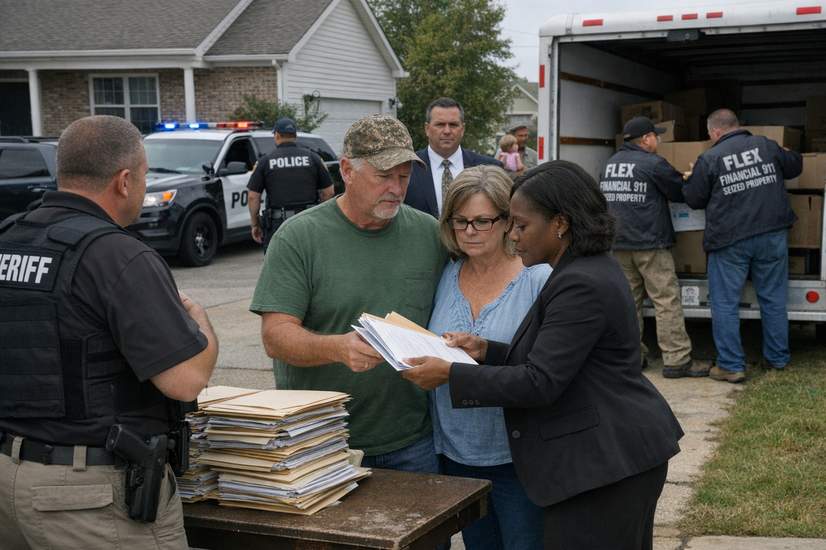
A Georgia court stepped in and froze a company that was quietly scooping up home titles from residents — yes, actual people’s homes. State officials say Home Saver 911 used pressure tactics and paperwork gymnastics that left more than 70 homeowners unknowingly handing over ownership of their houses.
How the scheme allegedly worked
Instead of a straightforward loan, consumers were funneled into agreements that effectively transferred title to the company. People thought they were getting help or a short-term loan; instead, their property paperwork was signed away without clear disclosure. Think high-pressure sales, confusing contracts and a dash of legal smoke-and-mirrors.
The court’s order
The judge ruled that contracts tied to Home Saver 911 and a related entity, Flex Financial 911, can’t be enforced in Georgia. All the titles the companies claimed must be returned to the original homeowners by Nov. 20. The order also bars the company from enforcing contracts or collecting payments related to these services in the state.
Permanent ban and other consequences
In addition to returning titles, Home Saver 911 has been permanently banned from handling residential real estate transactions in Georgia. In plain terms: no more playing landlord on other people’s roofs.
Why the attorney general stepped in
Georgia’s attorney general framed the move as protecting the American dream of homeownership. Officials said they acted to stop predatory behavior and give relief to families who were cheated — and to send a message that such tactics won’t fly here.
What it means for homeowners
If your title was grabbed in a similar scheme, this ruling is a reminder to check your paperwork, ask questions, and get legal help if anything smells off. For everyone else: keep an eye on contracts, don’t sign under pressure, and when in doubt, read the fine print (or hand it to someone who speaks legalese).
Bottom line
The court order is a win for affected Georgia homeowners — titles go back, contracts are voided, and the company is out of the residential real estate business in the state. Scammers lose this round; homeowners win a much-deserved break.