Quick recap — what just happened?
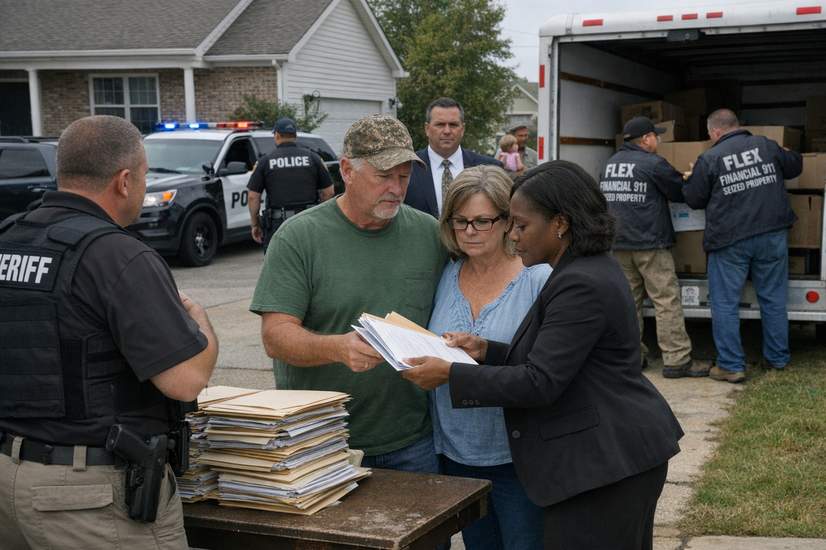
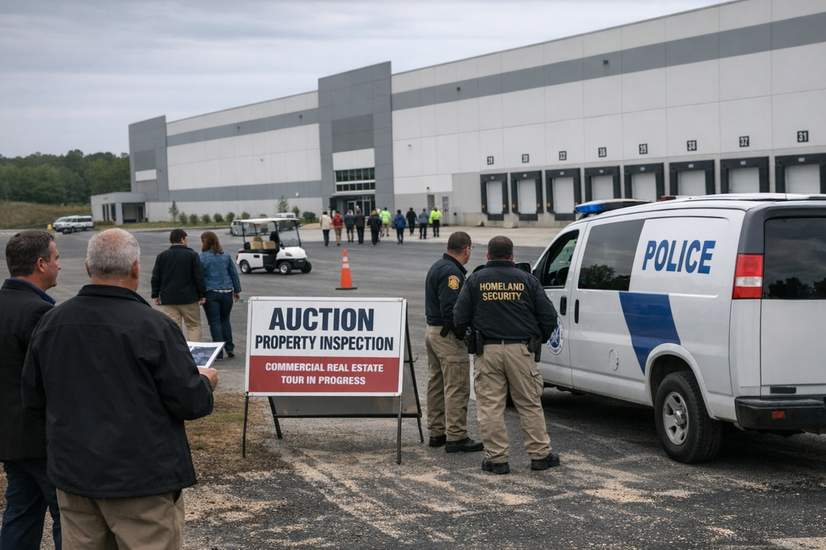
In short: the federal government bought big warehouses in two small Georgia towns with plans to turn them into Immigration and Customs Enforcement processing and detention hubs — and then the whole plan hit the brakes. Now those same warehouses are on the auction block alongside other properties around the country.
The buildings and the buy
One of the properties in Oakwood is a massive 540,408-square-foot warehouse that the federal government purchased for about $68.2 million in 2025. A similar facility in Social Circle was also purchased earlier in the year. The listings are being handled by a commercial real estate firm and are grouped with warehouses in places like Salt Lake City, Detroit, El Paso and central Pennsylvania.
How big were the plans?
Officials talking about the program described a network of large “hubs” meant to hold thousands of people by the end of 2026. The Social Circle site was pegged to hold a staggering 7,500 to 10,000 people. Oakwood’s role was supposed to be a short-term processing site — detainees there might have stayed a few days, with estimates of an average daily population of roughly 1,000 to 1,500.
Why locals pushed back
City leaders in both towns complained they’d been left in the dark and raised alarms over practical issues: water, sewer capacity and the strain such a large operation could place on local infrastructure. In one dramatic move, officials in Social Circle even cut off water access to the proposed site until the agency could show how it wouldn’t overwhelm the town’s systems.
The federal wobble and the bill
Higher-ups in Washington put the project on pause. The Department of Homeland Security called for a review of a multibillion-dollar plan and the contracts made under the previous leadership. A federal watchdog later reported millions in unrecoverable costs tied to the purchases — and warned the government could lose more money if the warehouses sell for less than it paid.
What’s next?
Bidding deadlines are approaching and the properties are officially for sale. Whether they’ll be repurposed, bought by private firms, or go to some other public use remains to be seen. For the moment, the story reads like a cautionary tale about flashy, large-scale plans that collide with small-town plumbing — and the federal budget.
The Associated Press contributed to reporting on this story.