The short version
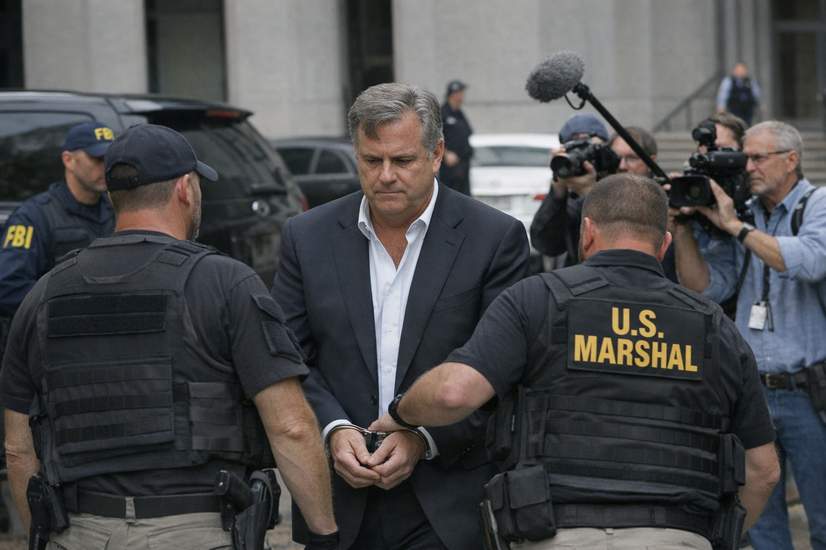
A Georgia businessman and well-known Republican donor has been sentenced to 15 years in federal prison after pleading guilty to wire fraud tied to the collapse of First Liberty Building and Loan. The fallout from the alleged scheme left hundreds of investors burned and millions of dollars missing.
What the company claimed — and what prosecutors say really happened
First Liberty marketed itself as a lender that made short-term, high-interest “bridge loans” to businesses and promised investors steady returns in the 8–18% range. Prosecutors say the operation was anything but aboveboard: instead of using payments from borrowers to pay investors, the founder siphoned off investor cash for his personal use.
Where the money went
Authorities say the founder used millions of dollars on a lifestyle rather than loan activity — renting a vacation home, buying watches and jewelry, paying down more than $2 million in credit card debt, and even making political donations totaling more than half a million dollars.
How big was the damage?
Prosecutors estimate the operation raised at least $76 million from roughly 300 investors. The reports say the losses included organizations and people with political ties as well as everyday grassroots supporters and retirees who’d trusted the pitch.
Notable victims
Among those named as losing money were a company linked to a former Georgia GOP chairman, an Alabama state auditor, and a political committee tied to that auditor. Beyond the political circles, many ordinary investors were affected — some reportedly drawn in by ads on conservative shows.
Criminal outcome
The man at the center of the case pleaded guilty to a single count of wire fraud. A judge sentenced him to 15 years in prison, plus three years of supervised release, and ordered more than $76 million in restitution to victims.
Some recovery for a few victims
There has been at least a small measure of recovery: one financial firm agreed to pay several victims a settlement amounting to millions of dollars to resolve claims linked to the collapse.
The takeaway
This case is a reminder that high-return promises paired with religious or political appeals can be a dangerous mix. If something sounds too good to be true — especially when it’s wrapped in patriotism and prosperity — it might be worth a closer look before you hand over your savings.