Quick Summary
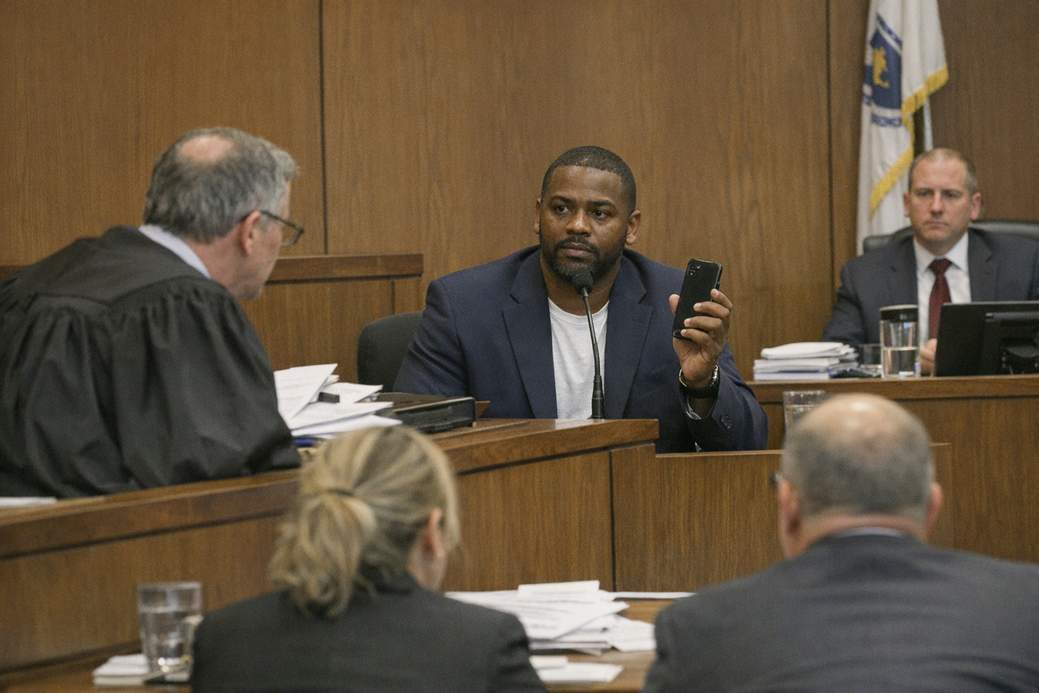
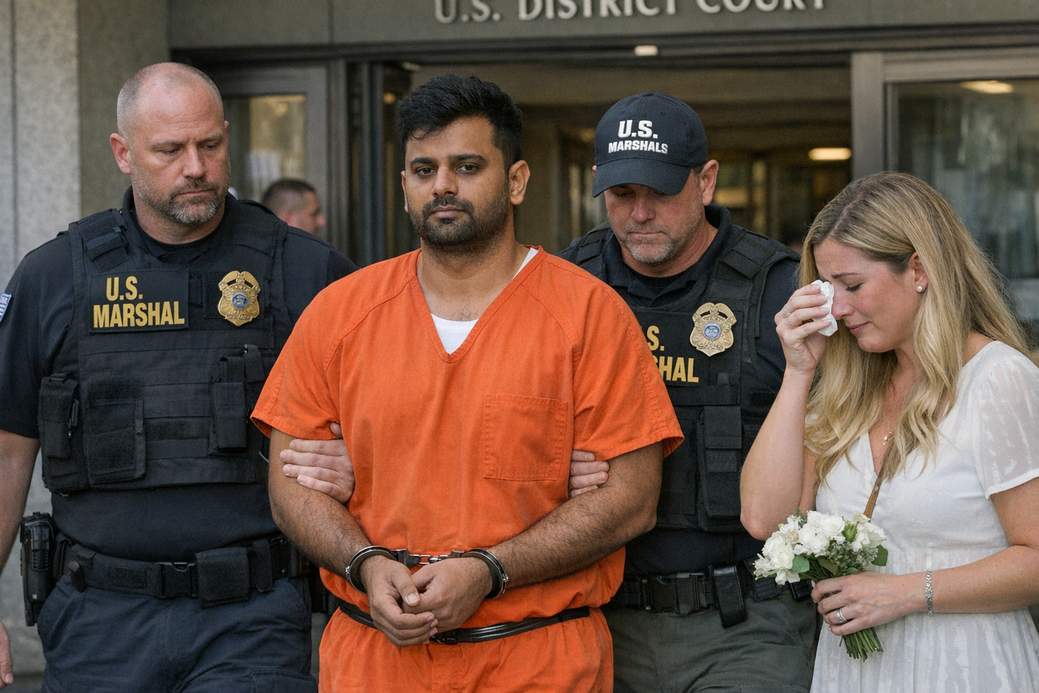
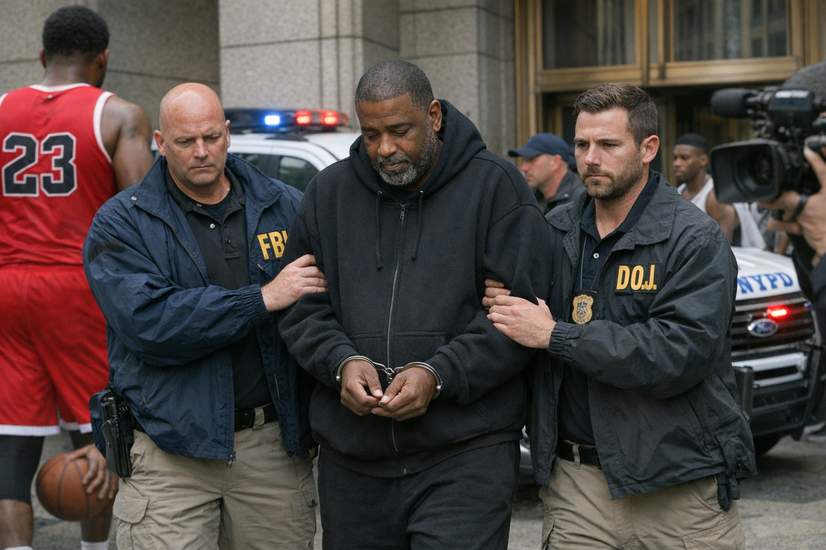
Marves Fairley — who styles himself an online sports-betting expert — admitted in federal court that he was part of schemes to buy inside information and pay players to alter their on-court performance. The plea covers two separate criminal investigations: one tied to pro basketball and another involving college point-shaving.
What He Admitted
Fairley pleaded guilty to multiple counts, including conspiracy to commit wire fraud and money laundering in the NBA-related case, and several charges in the NCAA case such as sports bribery and wire fraud. In plain English: he said he paid for nonpublic tips and compensated players to influence outcomes that he then bet on.
How the Schemes Worked (According to Prosecutors)
Prosecutors say Fairley and associates bought game-sensitive details — from promises of deliberate underperformance to private medical updates on star players — and used that information to place lucrative wagers. He also acknowledged placing some of those bets himself and arranging wagers on behalf of at least one professional player.
The Famous Names Mentioned
Federal filings allege the scheme involved inside information about a 2023 game in which a player intentionally underperformed, and nonpublic medical details about two Lakers stars. In court, Fairley wouldn’t name names, but prosecutors have pointed to former Miami Heat guard Terry Rozier in the broader indictment. Rozier has denied wrongdoing and his lawyer called the case full of desperate people trying to cut deals.
College Point-Shaving Case
Separately, Fairley admitted to recruiting and bribing college players to manipulate games — a classic point-shaving setup where players are paid to affect scoring margins. He pleaded guilty to multiple counts in that case as well.
Priors, Penalties and Next Steps
Fairley has a lengthy criminal record, including a prior federal weapons plea and other past state charges. Federal prosecutors recommended an 8–10 year sentence, labeling him a ringleader who profited heavily from the schemes. Sentencing is set for February.
Reaction and Aftermath
Fairley left court without speaking to reporters. The case has prompted new expected charges and raised questions about how inside information and bribery can ripple through pro and college sports. Meanwhile, accused players have pushed back, saying some co-defendants are airing accusations to curry favor with prosecutors.
Bottom Line
This isn’t your typical trash-talk scandal — prosecutors say it was an organized effort to buy game-changing secrets and turn them into cash. Whether the bigger fallout will reshape betting oversight or just supply more courtroom drama remains to be seen.