What happened
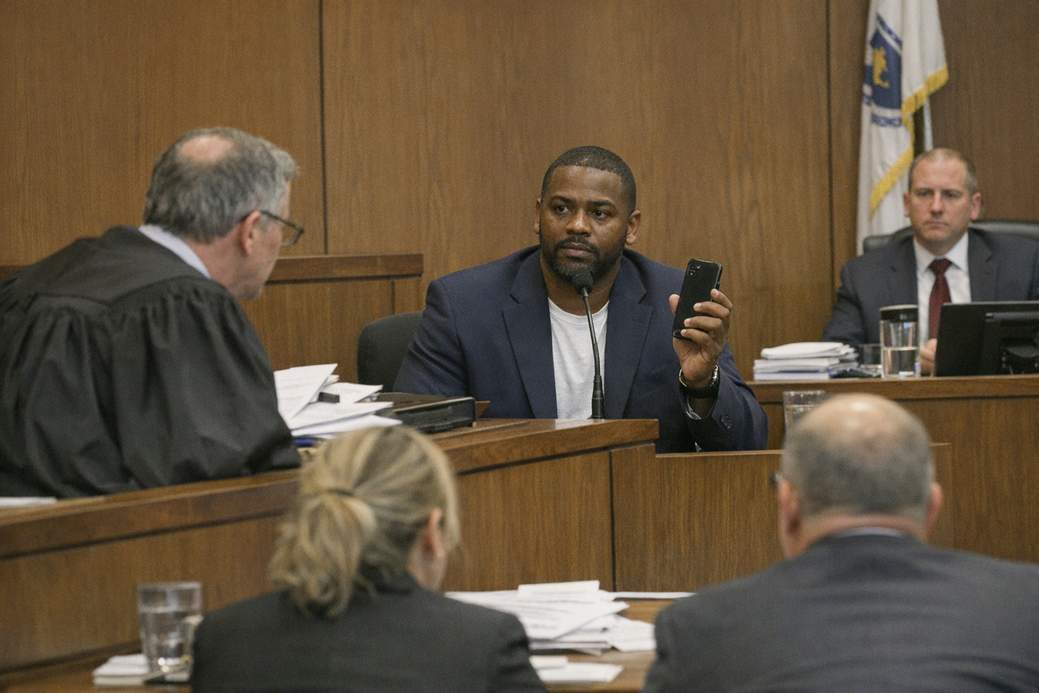
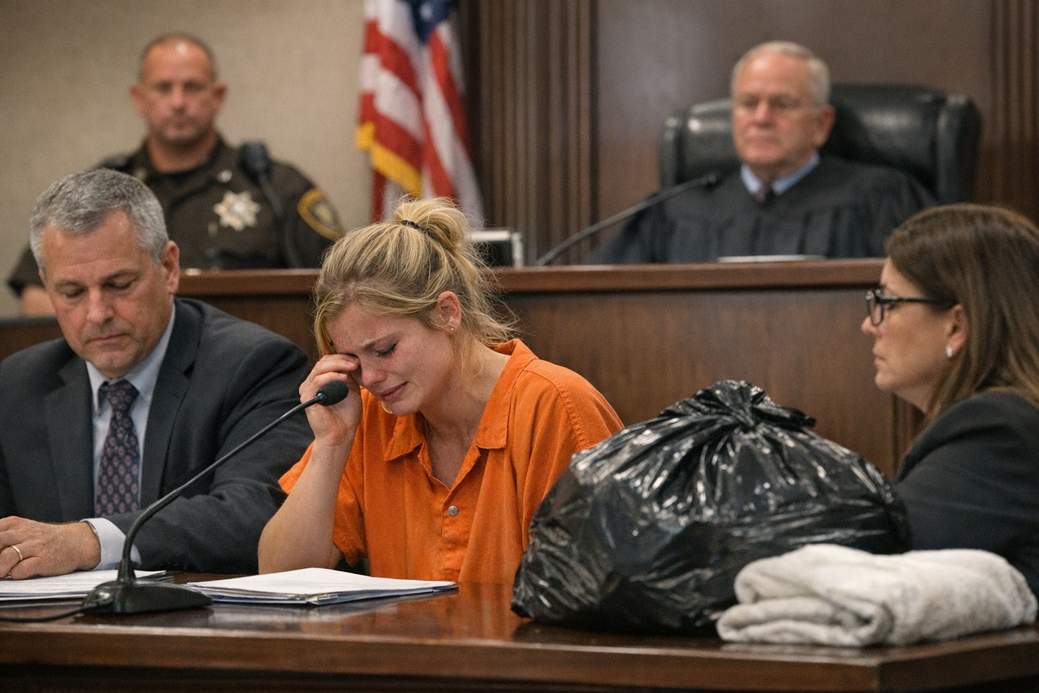
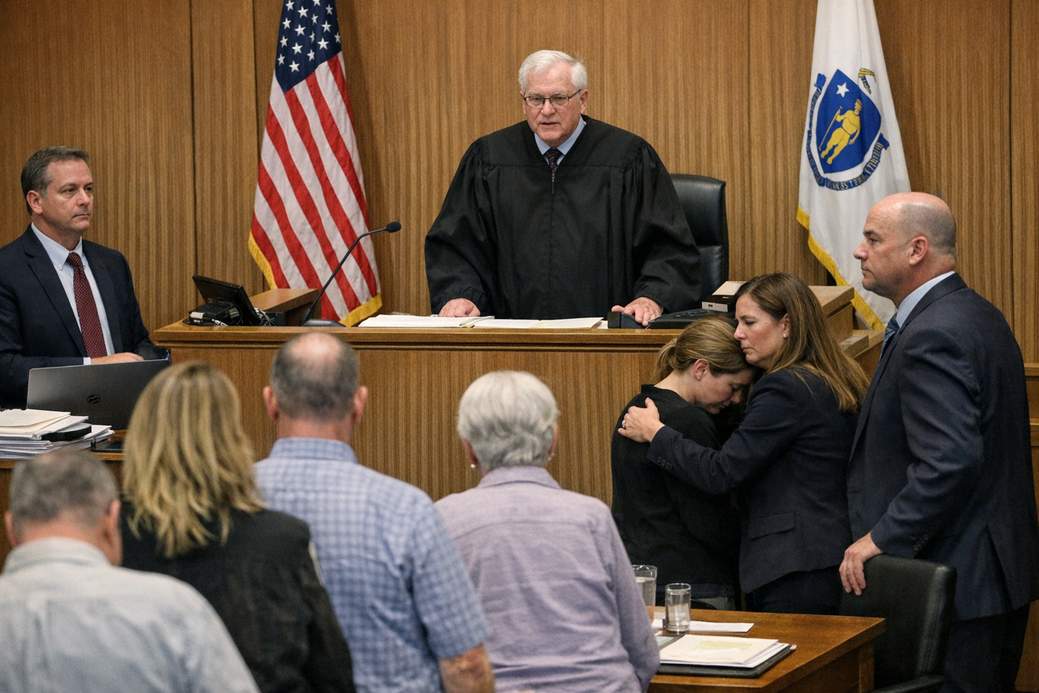
A Massachusetts judge declared a mistrial after the jury in the Lindsay Clancy case could not agree on a verdict. After seven days of deliberations and two formal deadlock notes, the jurors said they were unable to reach a unanimous decision, and Judge William Sullivan dismissed the panel.
Last-minute legal scramble
Defense attorneys made a frantic bid to keep the case alive by asking the state’s highest court to intervene and remove an apparent holdout juror. That request was made over Zoom and ultimately denied, leaving the mistrial standing. The prosecutor’s office now has to decide whether to retry the case.
Why jurors got stuck
Massachusetts judges can nudge a jury to keep talking only a couple of times. The judge read special instructions asking jurors to give their discussions one last push, but when the panel still couldn’t come together after the allowable attempts, a mistrial became the only option.
The defense’s version
Clancy’s lawyers argued she was suffering from postpartum psychosis at the time of the deaths, a rare but severe mental-health emergency that can radically distort someone’s perception of reality. They said she’d been cycling through medications and treatments in the months before the killings, that she’d sought help but wasn’t properly diagnosed, and that she had reported hearing a male voice urging her to harm her children. Forensic testimony presented to the court supported the view that she was psychotic at the time.
The prosecution’s version
Prosecutors painted a very different picture: they said Clancy was thinking clearly enough to methodically plan and carry out the killings. They pointed to actions such as sending her husband out that evening and allegedly checking how long his trip would take, and they argued those moves showed forethought rather than psychosis. The state described the killings as deliberate and called them an extreme act of cruelty.
Courtroom moments and what comes next
Before sending the jurors home, the judge thanked them for their service and also praised the attorneys for their work during a difficult trial. The defense said it wants to move forward quickly, while the court scheduled a status conference for Sept. 29. The county district attorney will decide whether to seek a retrial, potentially on first-degree murder charges or something lesser.
Public reaction
The proceedings were livestreamed and drew a lot of attention online and in person, with people gathering outside the courthouse and widespread commentary on social media. The case has also sparked broader conversation about maternal mental health and how the medical system responds to women in crisis.
If you or someone you know needs help
If you are struggling or in emotional distress, call or text 988 to reach the 988 Suicide & Crisis Lifeline for 24/7 support. For additional resources, search for the 988 Lifeline or the Speaking of Suicide resource pages.