Welcome to the pardon marketplace
Think of presidential pardons as a VIP backstage pass that used to be hard to get — you filled out forms, showed remorse, and hoped a sober federal process might notice. Lately that process looks more like a bazaar: people hawking access, promises, and occasionally grandiose plans to “get the pen in the president’s hand” — for a fee.
The Ritz-Carlton pitch (and a secret camera)
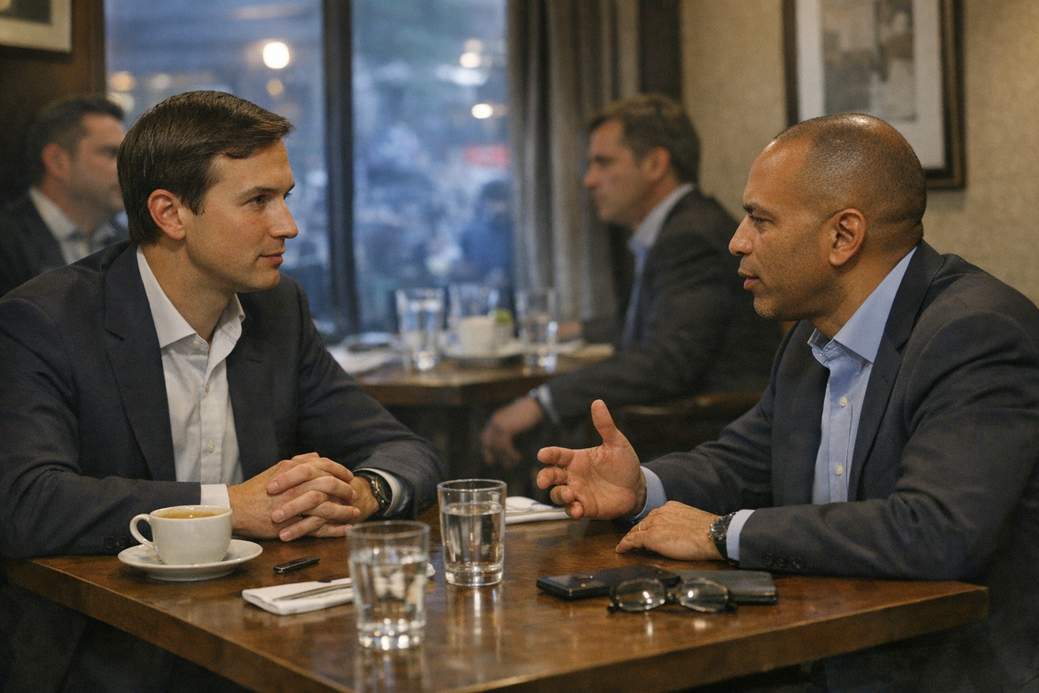
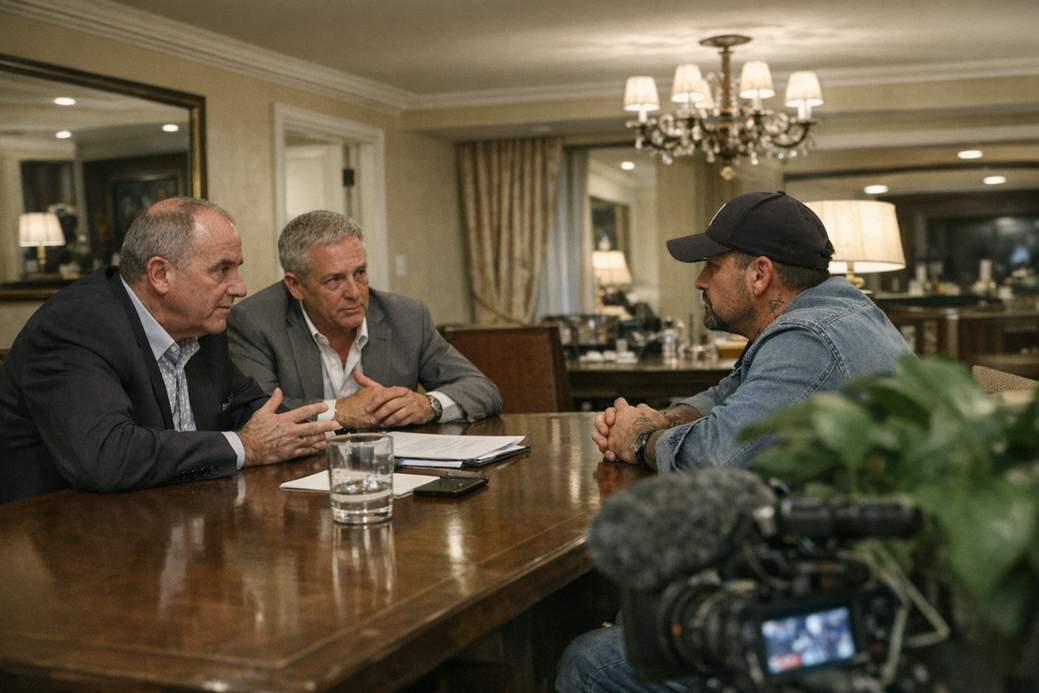
In a plush hotel near D.C., two self-styled fixers sat down with a convicted aquarium owner and promised a shortcut to clemency. Their sales pitch? A relentless campaign of influencers, insiders and pressure points designed to make the president see — and sign — the pardon. The catch: this guy wasn’t a real client, and TV investigators were quietly filming the whole thing.
The industry that skipped the line
Historically, pardon requests went through the Justice Department: quiet, bureaucratic, and focused on remorse and rehabilitation. These days, many clemency decisions skip that route. People close to the process say a new crop of brokers is selling what they claim is direct access to the president — and charging anywhere from tens of thousands to millions for the privilege.
‘‘I just send my petitions directly to the White House’’
Some brokers openly say they bypass the Justice Department and aim straight for White House channels. Officials from the administration insist there’s still a review process, but critics argue the old checks and balances have been weakened — and that access, not paperwork, is the new currency.
Meet the pitchmen — and their rap sheet
Some of the people selling this service have colorful backstories: from headline-grabbing stunts to prior convictions and big fines. They defend their work as legal advocacy, while skeptics call it pay-to-play. Either way, they’re betting clients will pay to be moved from the slow lane to front-and-center.
Influencers, texts, and the pincer movement
The basic plan is multi-pronged: plant sympathetic messages, recruit loyal pundits and allies, and create a drumbeat until the story reaches the president. Brokers describe it as putting the leader in a “pincer movement” — approaching from multiple angles until he notices. Sometimes people named in the strategy say they had nothing to do with it; sometimes clients later dispute whether deals were ever sealed.
When forgiveness becomes a marketing campaign
Under this new approach, applicants are often encouraged to play a different tune: downplay remorse and instead frame themselves as victims of political targeting. That flips the old clemency script — which prized contrition — into a narrative about grievance and persecution. Some pardoned people later used their clemency to proclaim innocence or attack prosecutors, which rankled former supporters of the traditional system.
Money, outcomes, and the human cost
There are stories that make the whole setup feel transactional: people who paid significant sums with mixed results, families of victims who feel justice was undone, and applicants who say the system is simply impossible to navigate without hiring someone with connections. Meanwhile, administration defenders say the president has broad discretion to show mercy however he sees fit.
In the end, who gets a pardon?
Are pardons being bought, or are they a new exercise in political mercy? The truth probably sits somewhere in the messy middle: a system shaped by presidential priorities, human connections, and, yes, people willing to pay for help. For those caught up in it, the choice is stark: try the long, official route — or pay to fast-track a story that might get the president’s attention.
A reluctant confession from an investigator-turned-client
The man who posed as a client said he wanted to shine light on an unfair process. He also admitted the reality was sobering: if influence and money are the most effective levers, you either get in line or get creative. Either way, the pardon marketplace has become one of the newest — and weirdest — corners of Washington commerce.