Quick take
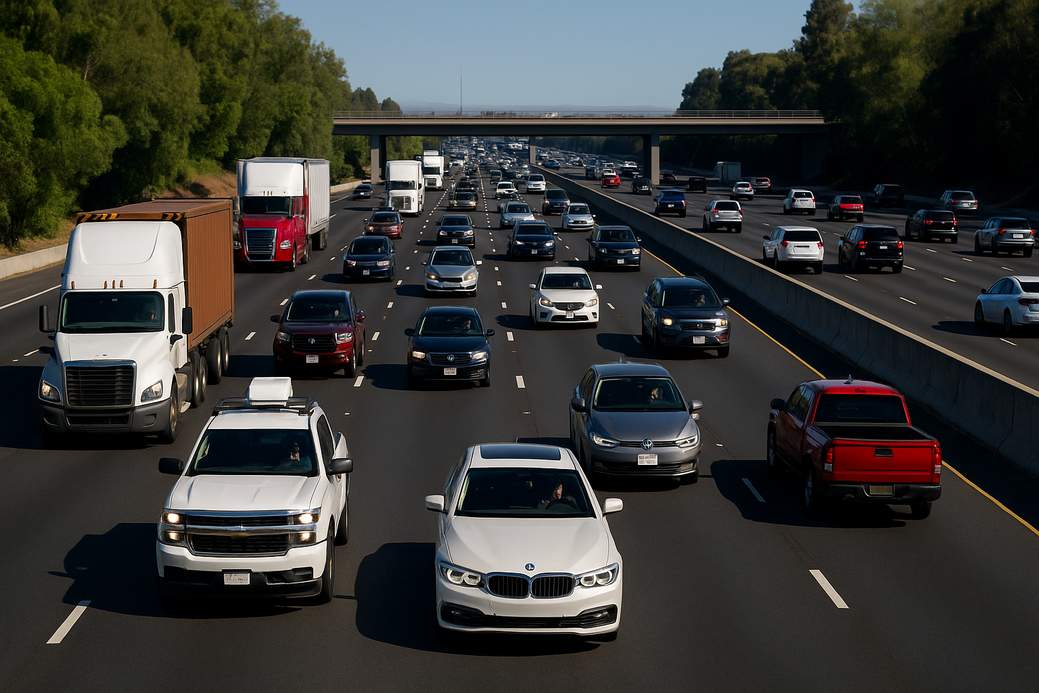
The administration announced a plan to loosen vehicle fuel-efficiency rules put in place under the previous administration. In plain terms: the government is proposing easier mileage targets for automakers, and officials say it will lower new-car prices. Critics say it will raise oil use and slow the shift to cleaner vehicles. Choose your lane — this one’s crowded.
What the proposal actually does
Under the new plan, the industry average fuel economy for light-duty vehicles would be set at about 34.5 miles per gallon through the 2031 model year. That’s a noticeable pullback from the roughly 50 mpg target included in rules from the prior administration. The change would be enacted through a formal rulemaking process before it becomes law.
Why the administration says it matters
Officials argue the tougher standards forced automakers to rely on expensive technologies, which pushed up sticker prices and made new cars harder to afford. The Transportation Department released projections claiming the rollback could shave about $1,000 off the average new-vehicle price and save roughly $109 billion over five years. There’s also an argument offered that cheaper new cars mean more families can buy newer, safer vehicles.
How automakers reacted
Several major car companies welcomed the proposal, saying it better reflects current market realities and gives the industry a clearer, more stable path forward. Auto executives joined administration officials at the announcement, and manufacturers argued a single, realistic national standard would help planning and customer choice.
What critics are saying
Environmental groups and clean-energy advocates see trouble. They warn that easing mileage standards will increase oil consumption, slow the push toward electric vehicles, and weaken the U.S. position in the global green-technology race. Some worry the move prioritizes short-term savings over long-term climate and public-health costs.
Will this make cars cheaper for you soon?
Not necessarily. Vehicle development cycles are long — automakers plan several years in advance — so any cost savings from simpler tech requirements would likely show up slowly, not overnight. Experts say if prices drop because of the change, it’ll probably be years down the road, not weeks.
What comes next
The proposal now goes through the usual regulatory steps: public notice, a comment period, and potential revisions before any final rule is published. That gives advocates, industry players, and everyday drivers a chance to weigh in. And because policymaking swings with administrations, these standards could change again in the future.
Bottom line
This is part of a broader effort to roll back several clean-transportation policies. Fans of looser rules tout lower upfront costs and more consumer choice. Opponents point to more oil usage and slower adoption of electric cars. If you care about gas bills, car safety, or the climate (or all three), this proposal matters — and it’ll be worth watching as it moves through the rulemaking process.