Quick snapshot: why this matters
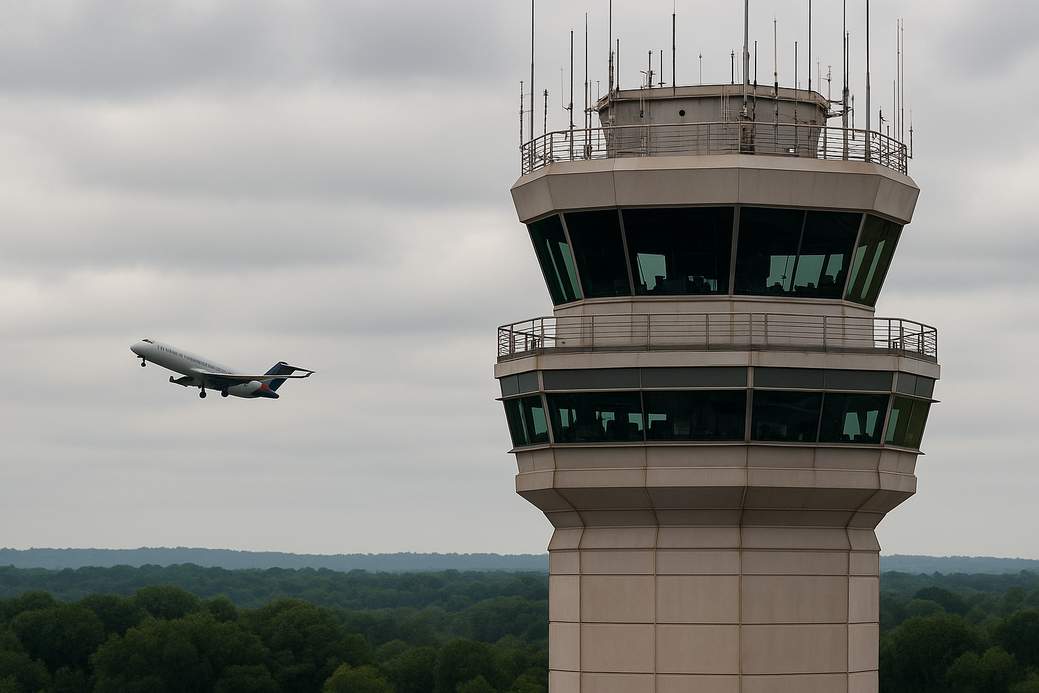
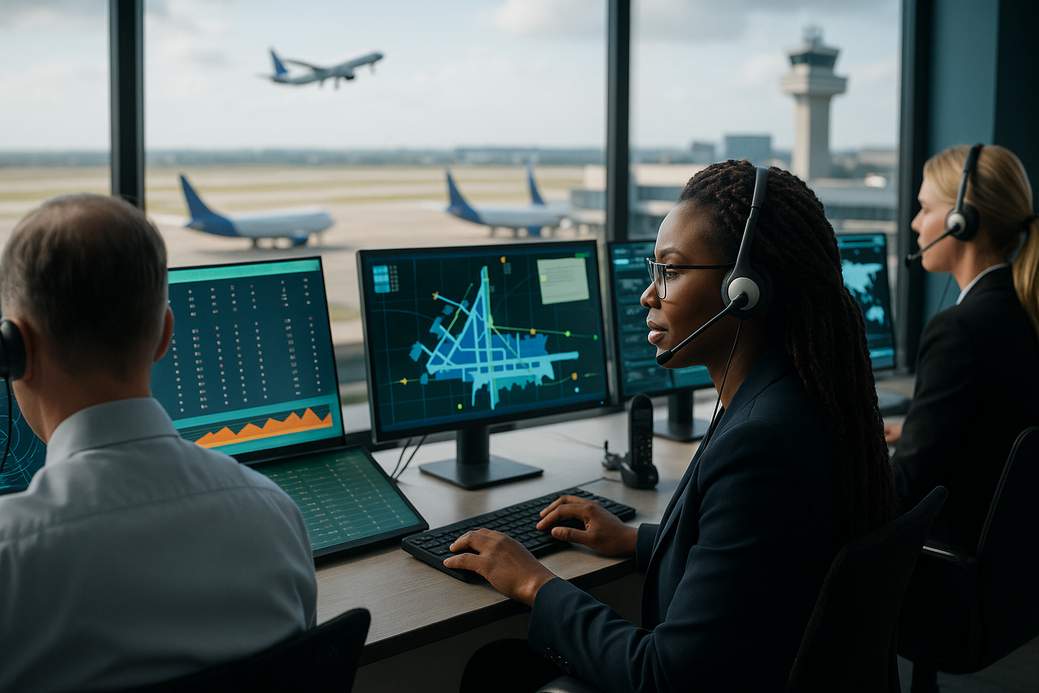
Air traffic control isn’t just a glorified headset job — it’s the behind-the-scenes choreography that keeps planes from playing bumper cars. The U.S. supply of controllers is stretched thin: in 2024 there were roughly 11,700 certified controllers and those in training, which left the country about 4,000 short of the Federal Aviation Administration’s staffing target. The FAA plans to hire thousands more through 2028 while many current controllers are expected to leave, so the gap is real and urgent.
How a government shutdown made things worse
When the government briefly shut down for 43 days, controllers had to work without pay — and that shook confidence. Some veterans retired sooner than expected and the spectacle could scare off potential recruits who don’t want to gamble on a paycheck. In short: political chaos = recruiting headache.
What the job actually asks of you (spoiler: it’s picky)
Becoming a controller is not an easy “apply-and-you’re-in” gig. Applicants must be U.S. citizens and typically be under 31 at the time of appointment. You’ll have to pass a battery of FAA pre-employment tests (often called the aptitude exam), show clear radio-communication English, and meet education or work-experience minimums — for example, a college degree or a year of progressively responsible work. On top of that come background checks and medical screenings that can disqualify people for things you might not expect, like certain types of contact lenses or uncontrolled blood pressure.
That aptitude test — the great gatekeeper
There’s a test designed to measure whether your brain is wired for the job. It’s not something you cram for; it’s meant to predict whether you’ve got the mental makeup to handle fast-moving decisions under pressure. Only a small portion of people who try make it past this stage: by the FAA’s own accounting, fewer than 10% of applicants clear all of the hurdles to get into formal training.
Training: boot camp for airspace
If you pass the screening, you’ll head to the FAA academy in Oklahoma City for an initial, intense block of classroom and simulator work that typically ranges from a couple of months. After that, most new controllers are assigned to a smaller facility (think a light-traffic control tower) and spend two to four years under supervision gaining real-world experience. Alt routes exist too: some colleges offer FAA-approved programs that can shorten or change the path to on-the-job training.
How long until you’re fully certified?
From hire to full certification, you’re usually looking at roughly four years, depending on the facility, how quickly you master the job, and vacancies where you train. It’s a long slog, and many candidates wash out at different stages — the training and on-the-job pressure weed out a surprising number of hopefuls.
Money talk
Controllers get paid well compared with many jobs. The median annual salary in 2024 was around $144,580, but pay is highly variable. Entry-level controllers at smaller airports can make closer to the low six-figures or even around $60,000, while veterans at busy facilities can earn substantially more as they gain experience and seniority.
Why it’s a hard sell for new recruits
On paper it’s a great career: meaningful work, strong pay, and solid benefits. But the combination of a tough selection process, long training timeline, high stress, and the recent political instability around pay during shutdowns makes convincing new people to stay a challenge. If you’re deciding between careers, some will take the steady, lower-stress options instead.
Bottom line
The U.S. needs a lot more air traffic controllers, and filling that gap will take recruiting, patience, and stability. It’s a demanding but rewarding job for people who like puzzles, pressure, and the idea of keeping thousands of strangers safely in the air. If you can pass the tests, handle the training, and keep your blood pressure chill, you’ll be in a role most people can only admire from the terminal.